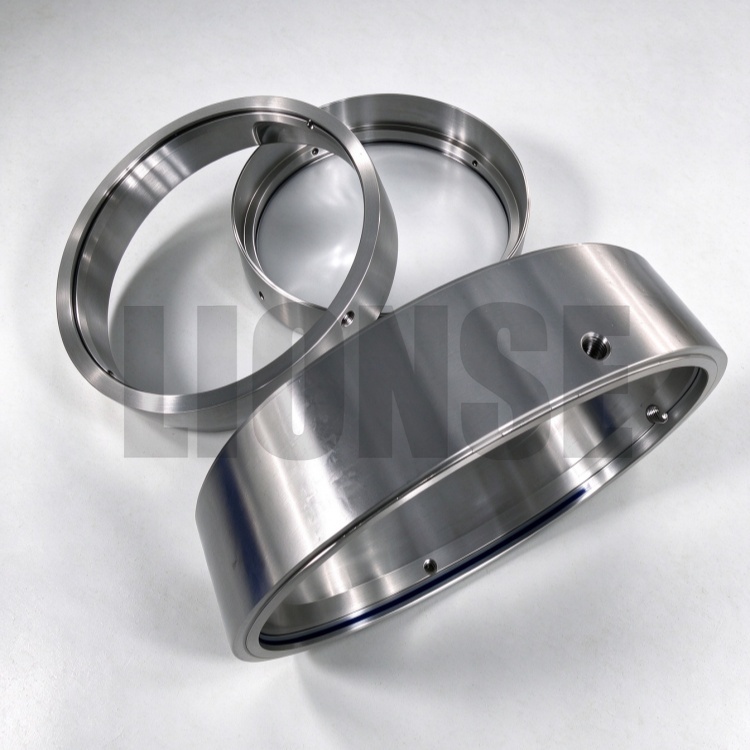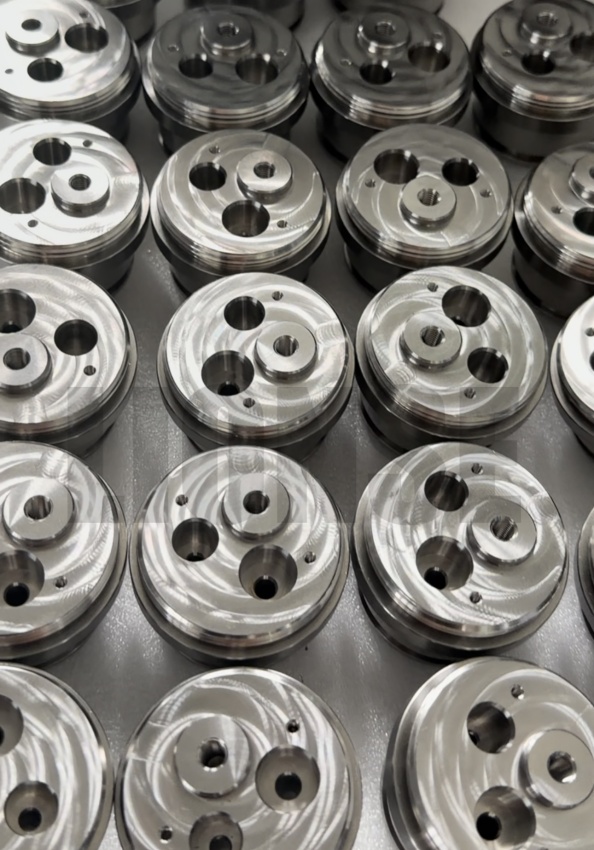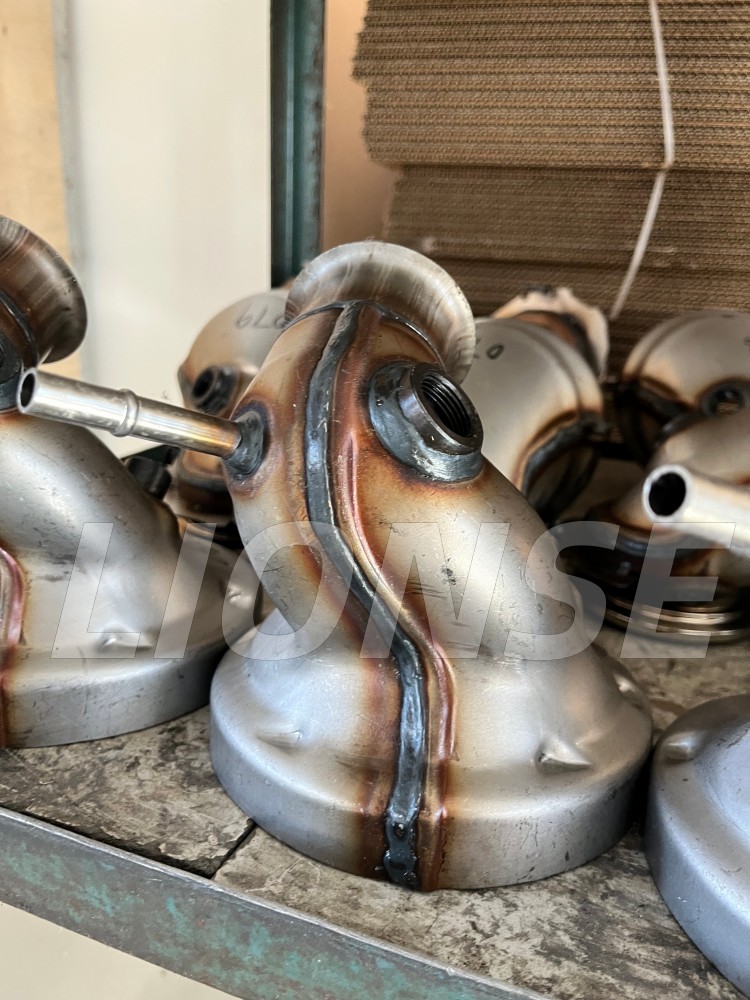

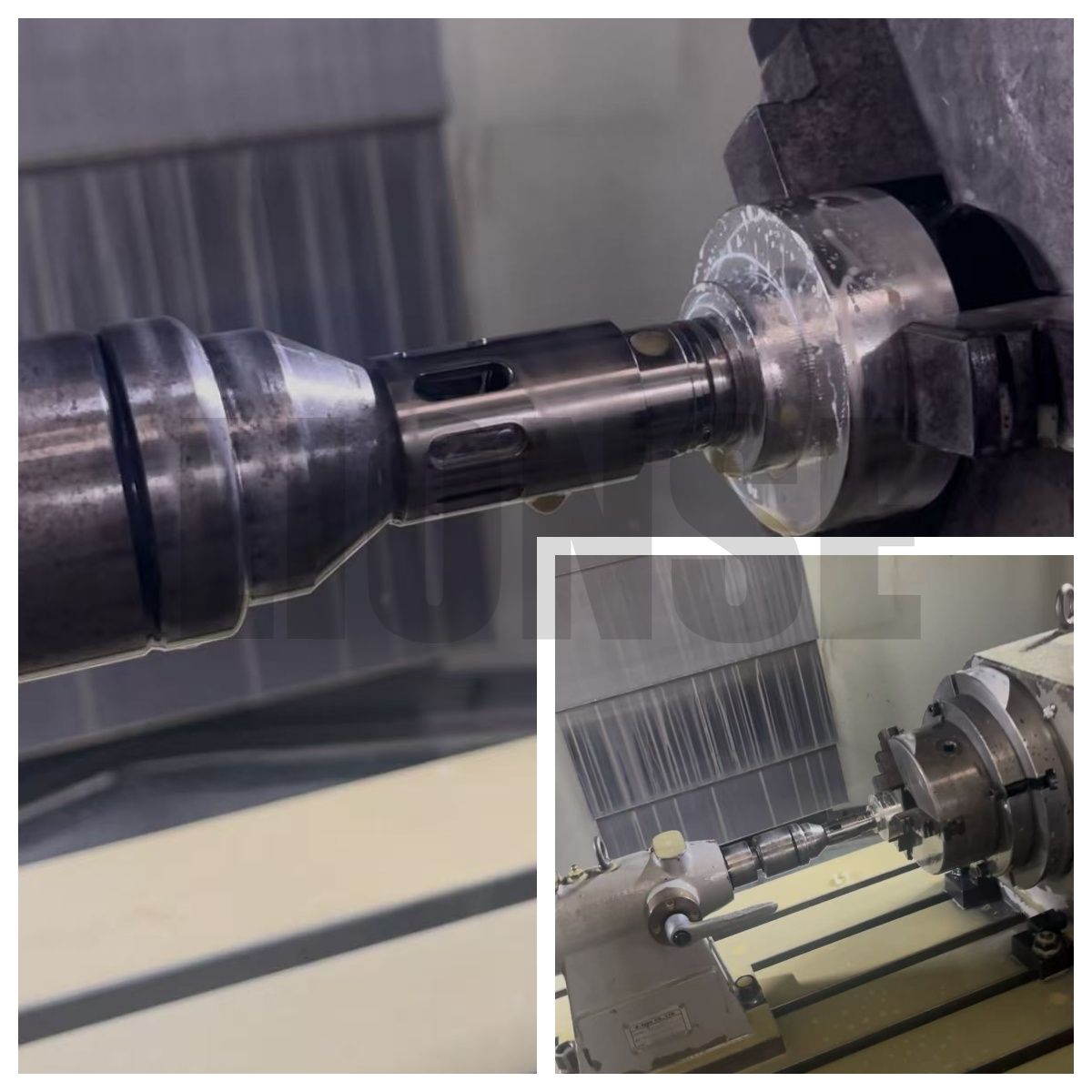
When sourcing custom CNC machined parts, customers often find that different suppliers provide different quotations for the same drawing. The price difference is not only related to material costs but also depends on machining processes, equipment, quality requirements, and manufacturing experience.

As the manufacturing industry continues to evolve and upgrade, there is a growing demand for handling complex blueprints in the field of precision parts machining. Effectively addressing the challenges posed by complex blueprints—while simultaneously enhancing machining quality and efficiency—has become a critical issue that every machining enterprise must urgently resolve.
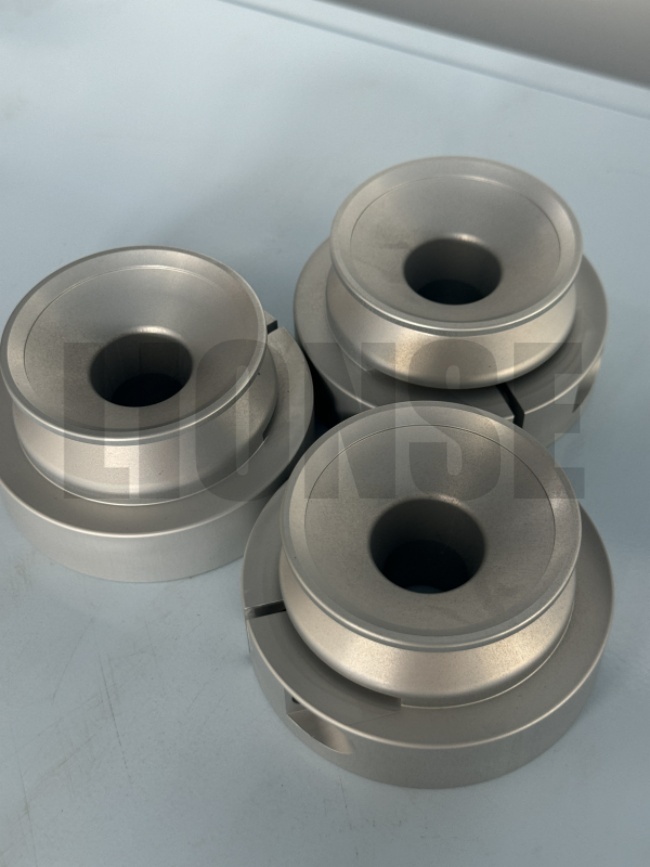
In simple terms, aluminium is prone to oxidation. Anodizing is equivalent to artificially forming a more stable and harder oxide layer on the surface of aluminium parts.
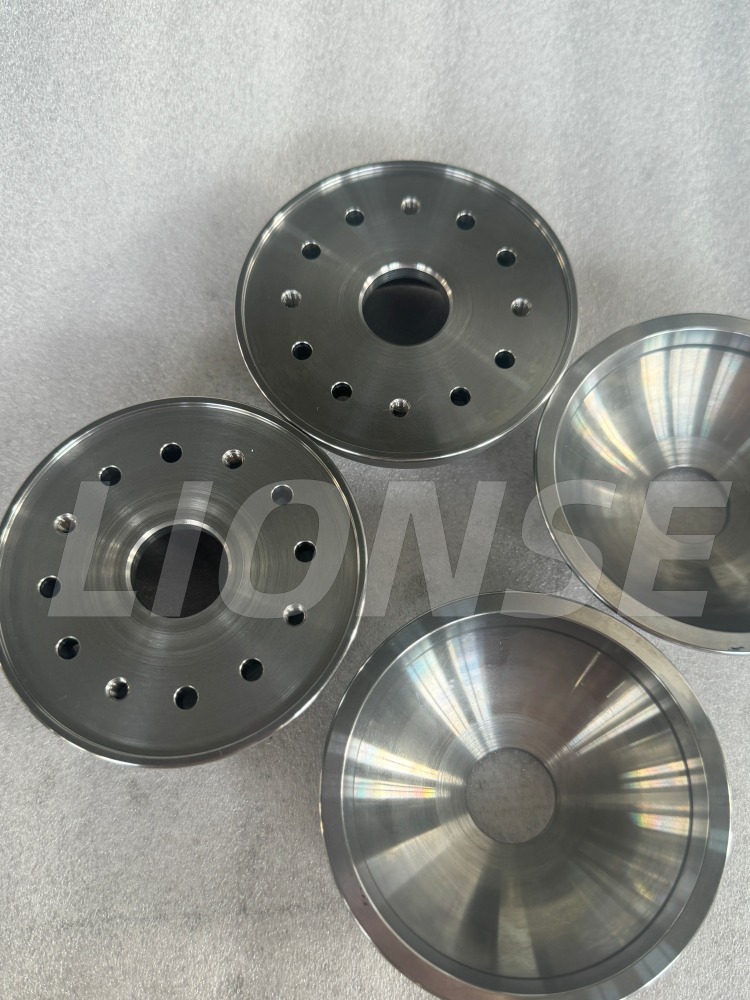
In high-pressure industrial scenarios such as petroleum, chemical engineering, and energy, the track ball valve, with its features of frictionless opening and closing, reliable high-pressure sealing, and suitability for high-frequency operations, has become a key core equipment for process pipelines and fluid control systems. Among them, the split ball body, as the core precision component of the valve, its material and processing technology directly determine the sealing accuracy, operational stability, and service life of the valve, and is the core key for upgrading the quality of the valve.
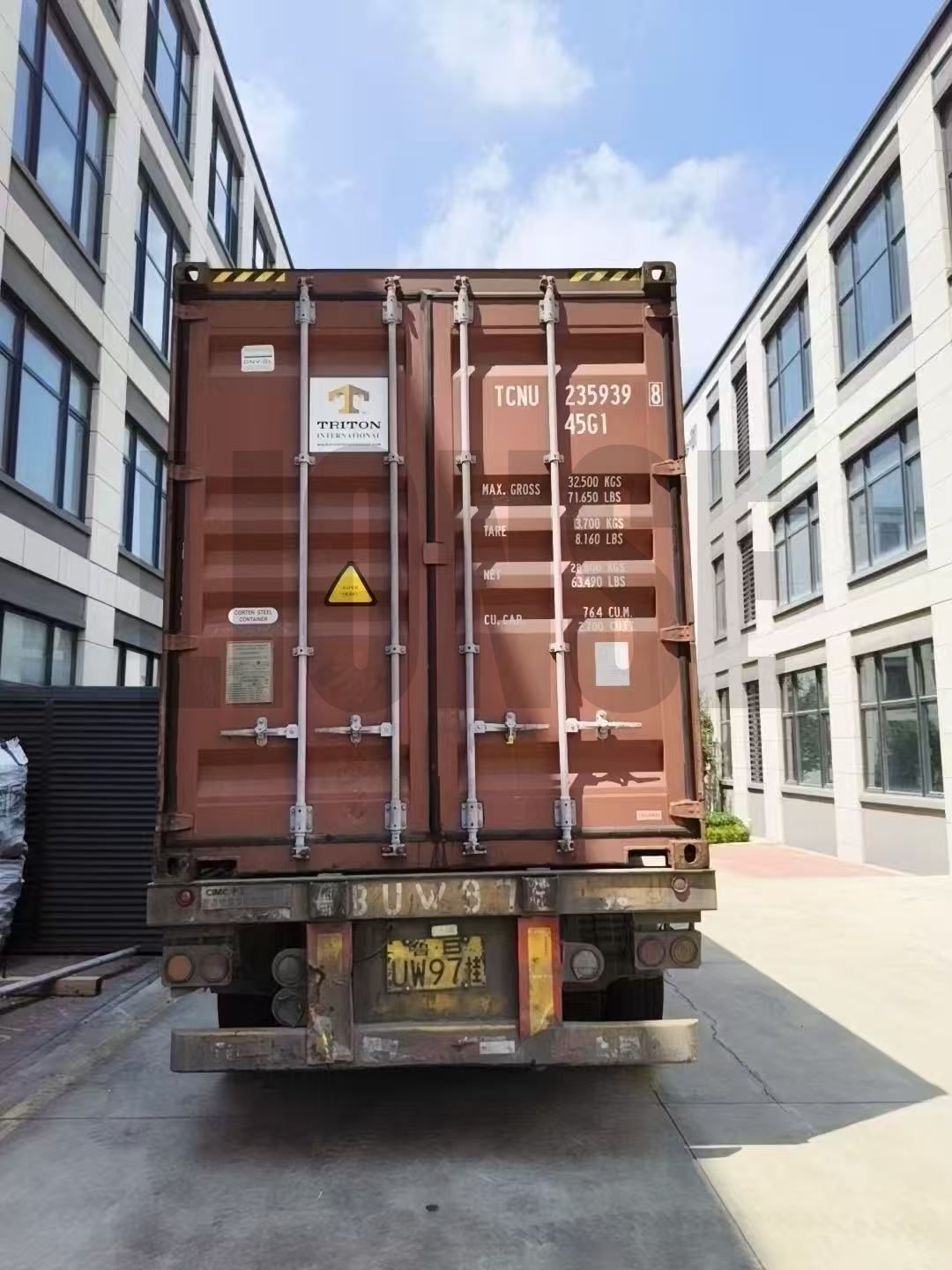
LIONSE recently completed production, inspection, and shipment of custom CNC machined parts for an overseas customer, delivering precision mechanical components according to the required specifications.
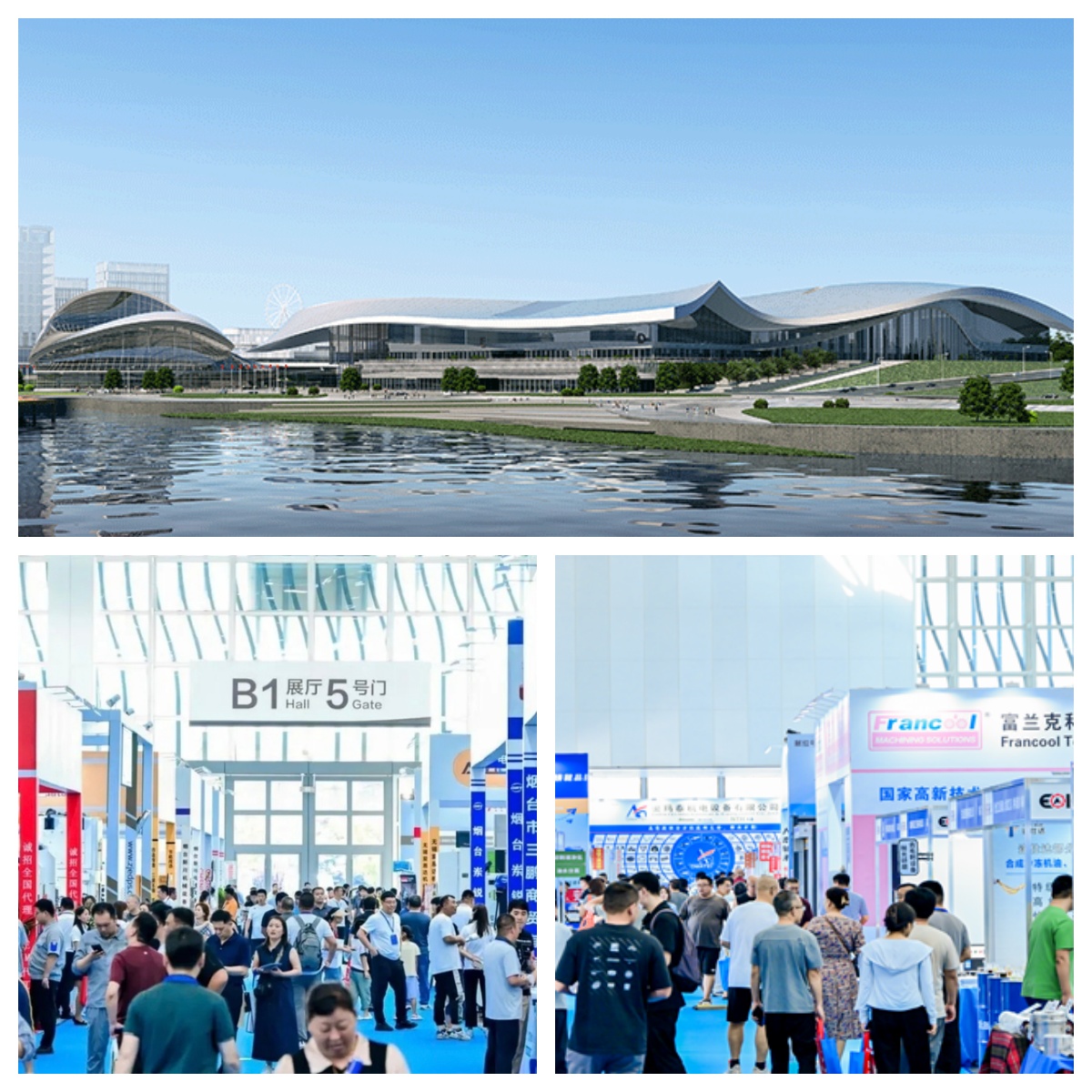
LIONSE participated in the 2026 Yantai Exhibition, showcasing custom mechanical parts and CNC machined components while connecting with customers and discussing their machining and manufacturing requirements.