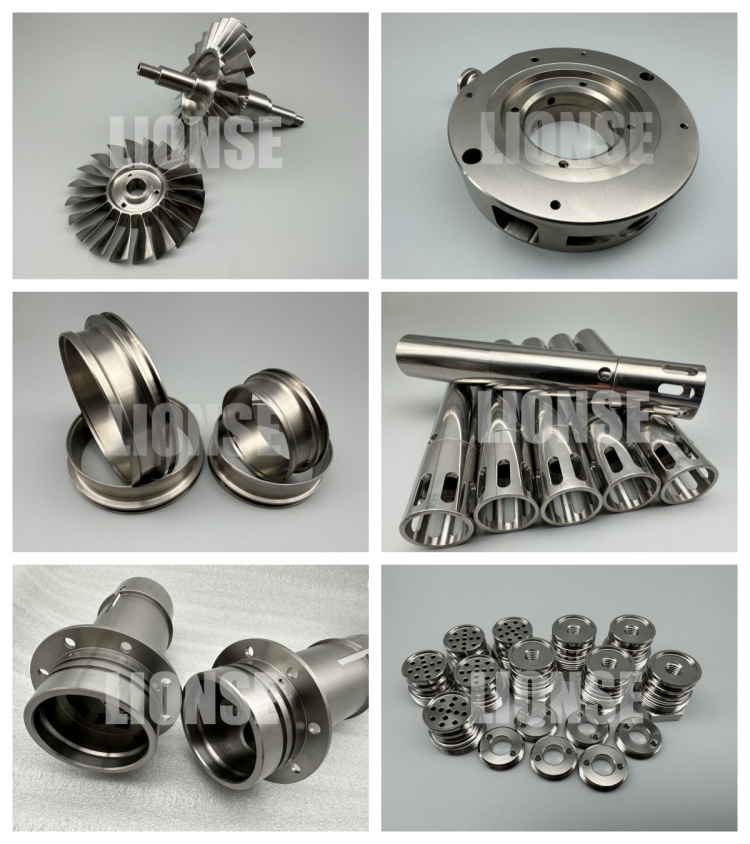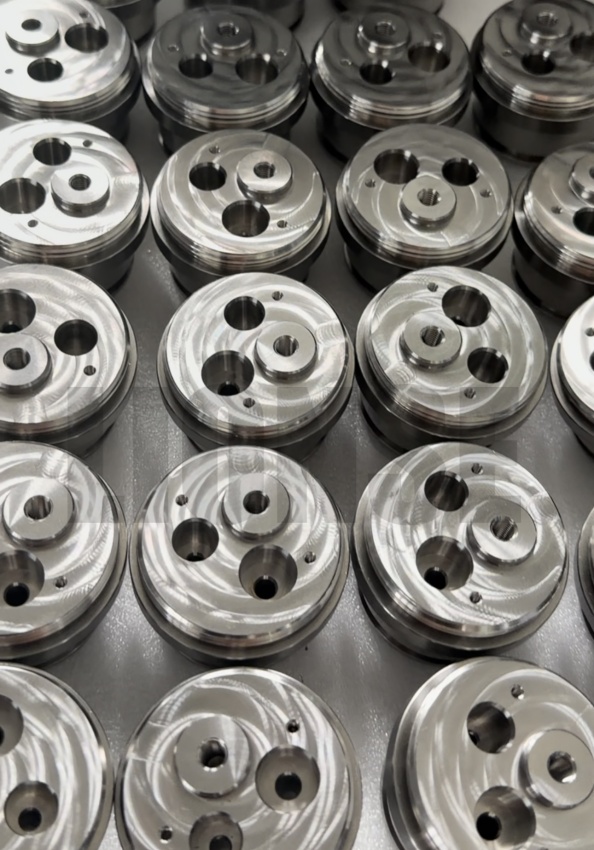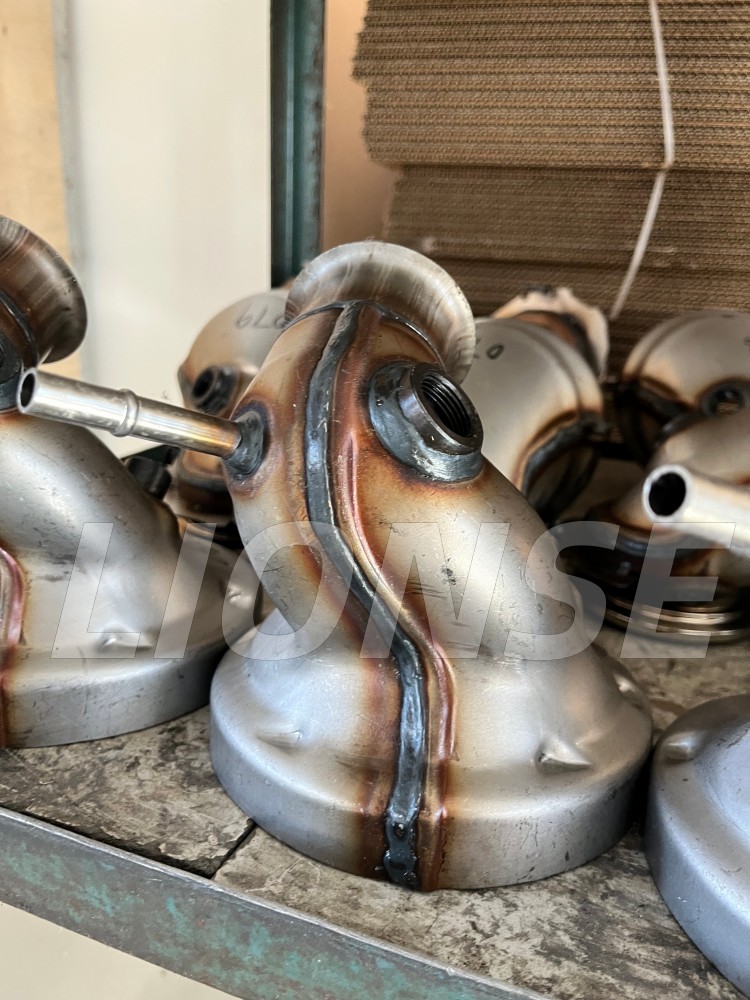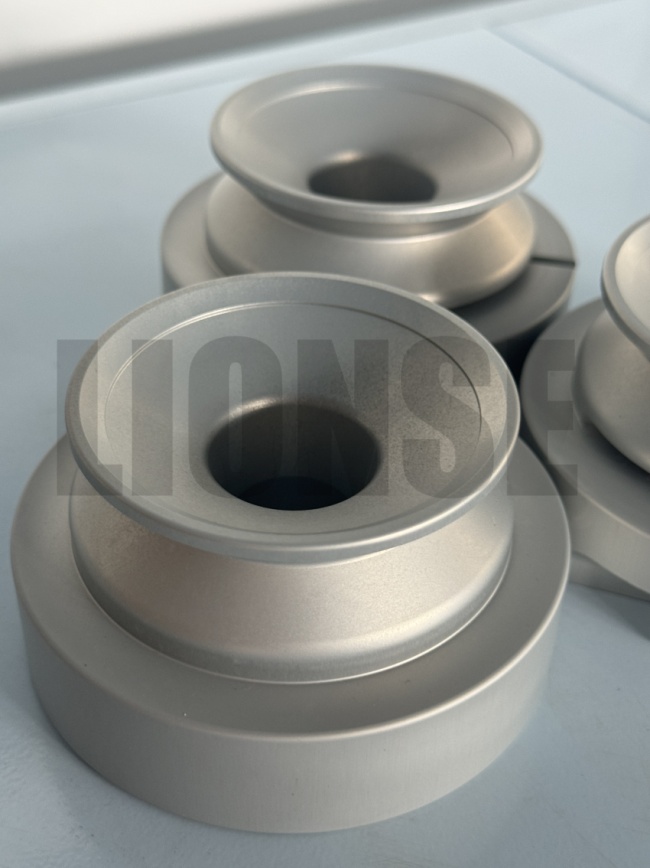

In short, nickel-based alloys are a must-have in those high-end fields because of their heat resistance, corrosion resistance, and strength. But getting them precisely machined is tricky and demands a lot—every part of the process has to be tight.
There are tons of nickel-based alloys out there, like the Inconel and Hastelloy series. Each has different chemical makeups and properties. Before you start machining, you’ve got to know their specs: how hard they are, how flexible, how well they conduct heat. Take Inconel 718, for example—it’s strong and resists corrosion, but it doesn’t transfer heat well. When you cut it, it builds up a lot of heat, which wears out the tools and warps the part.
Before you even start cutting, you’ve got to set up the machine properly. Check it’s accurate, adjust the spindle speed, how fast the tool moves, and how deep it cuts—all based on what the part needs. These settings matter for both quality and speed. For nickel-based alloys, the cutting speed is usually between 20 and 100 meters per minute, and you go slow on the feed rate. The depth of cut depends on how much material you need to remove and how strong the tool is—deeper for roughing, shallower for finishing. Like, when working with Inconel 625, 40m/min cutting speed, 0.1mm per revolution feed rate, and 0.5mm depth works pretty well.
Cutting nickel-based alloys generates a lot of heat, which can mess up the tools and the part. So you need good cooling and lubrication. The usual methods are pouring coolant, spraying it, or high-pressure cooling. Pouring is basic, spraying is better, and high-pressure cooling can quickly take away heat and save the tools. You pick the method based on the process and the part’s needs.
A smart process order is key to getting it right. Follow the rules: rough first, then fine; do the flat surfaces before the holes; and get the reference surfaces done first. So first, rough out the extra material, then finish it to get the precision. Do the flat parts, then use those as a base to drill holes. And always do the surfaces you’ll use as references first.