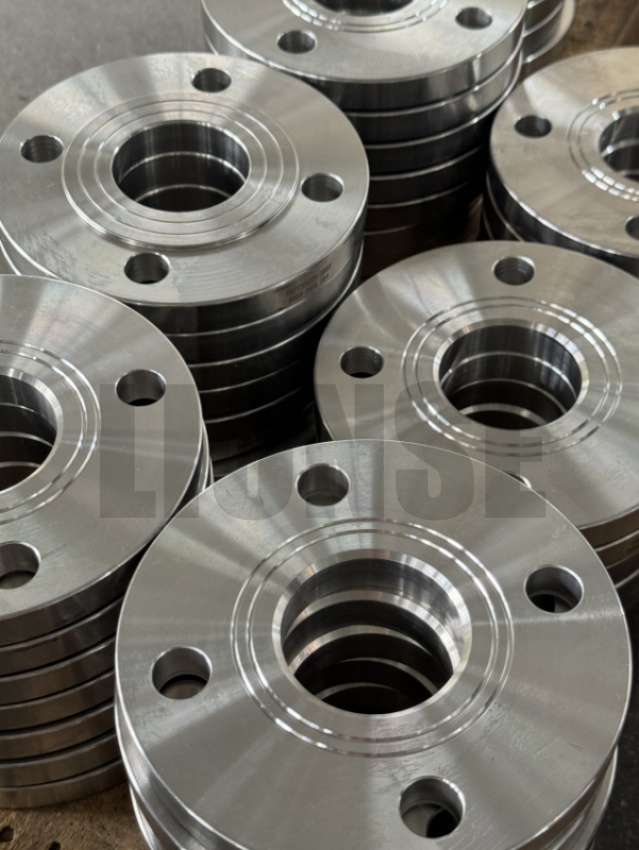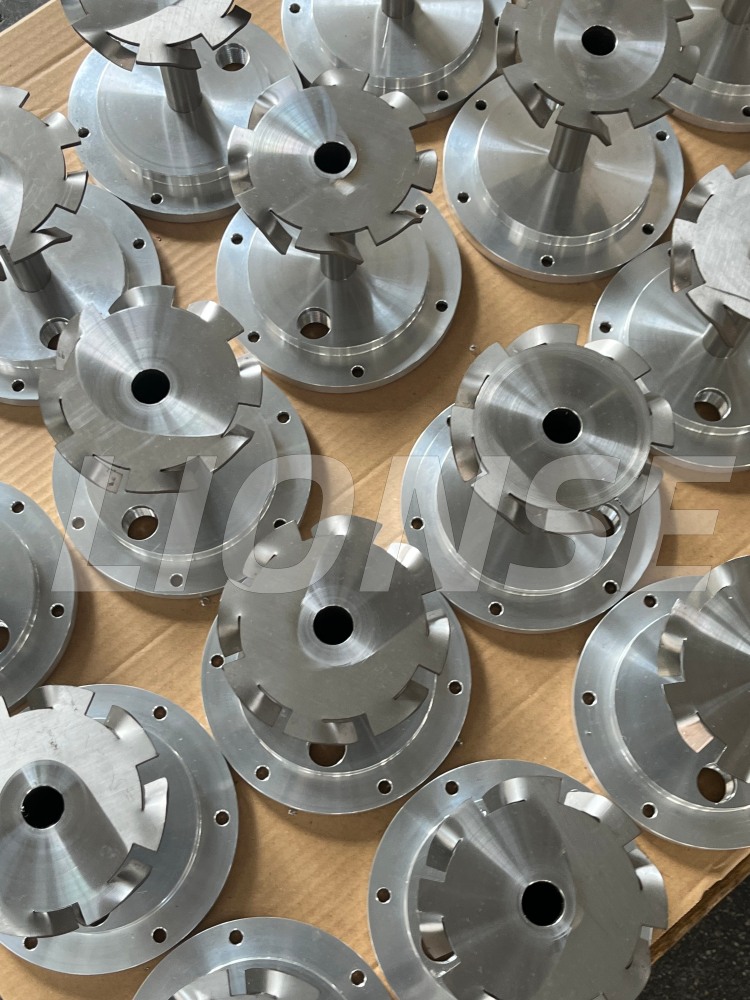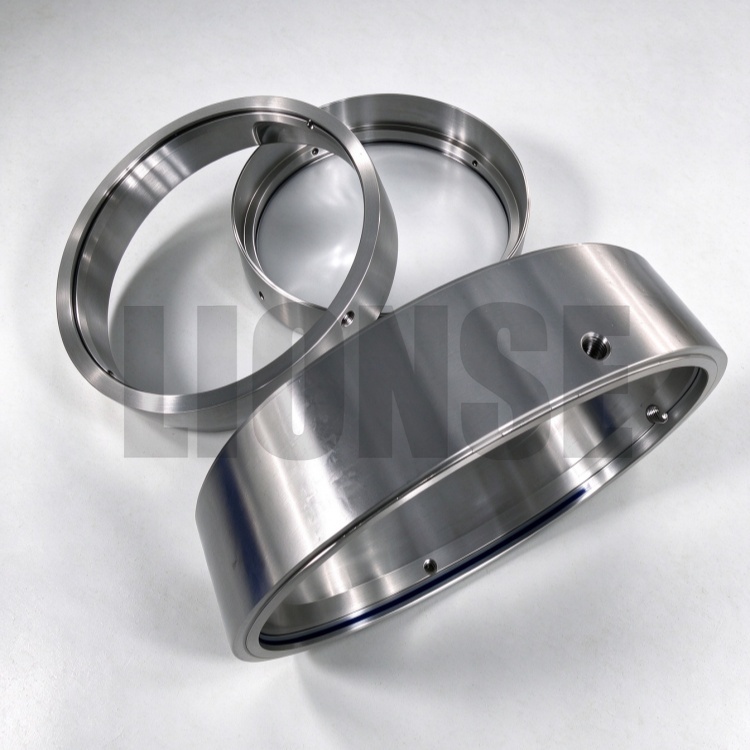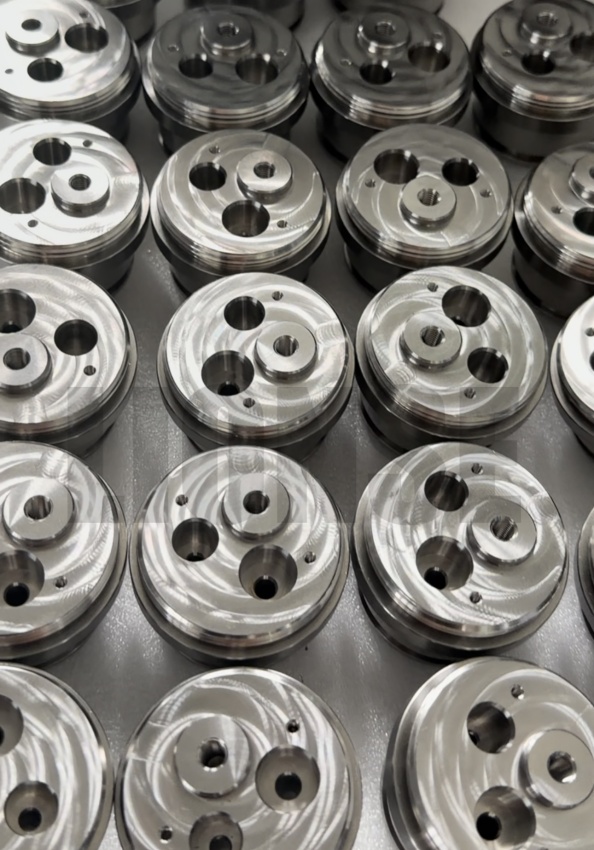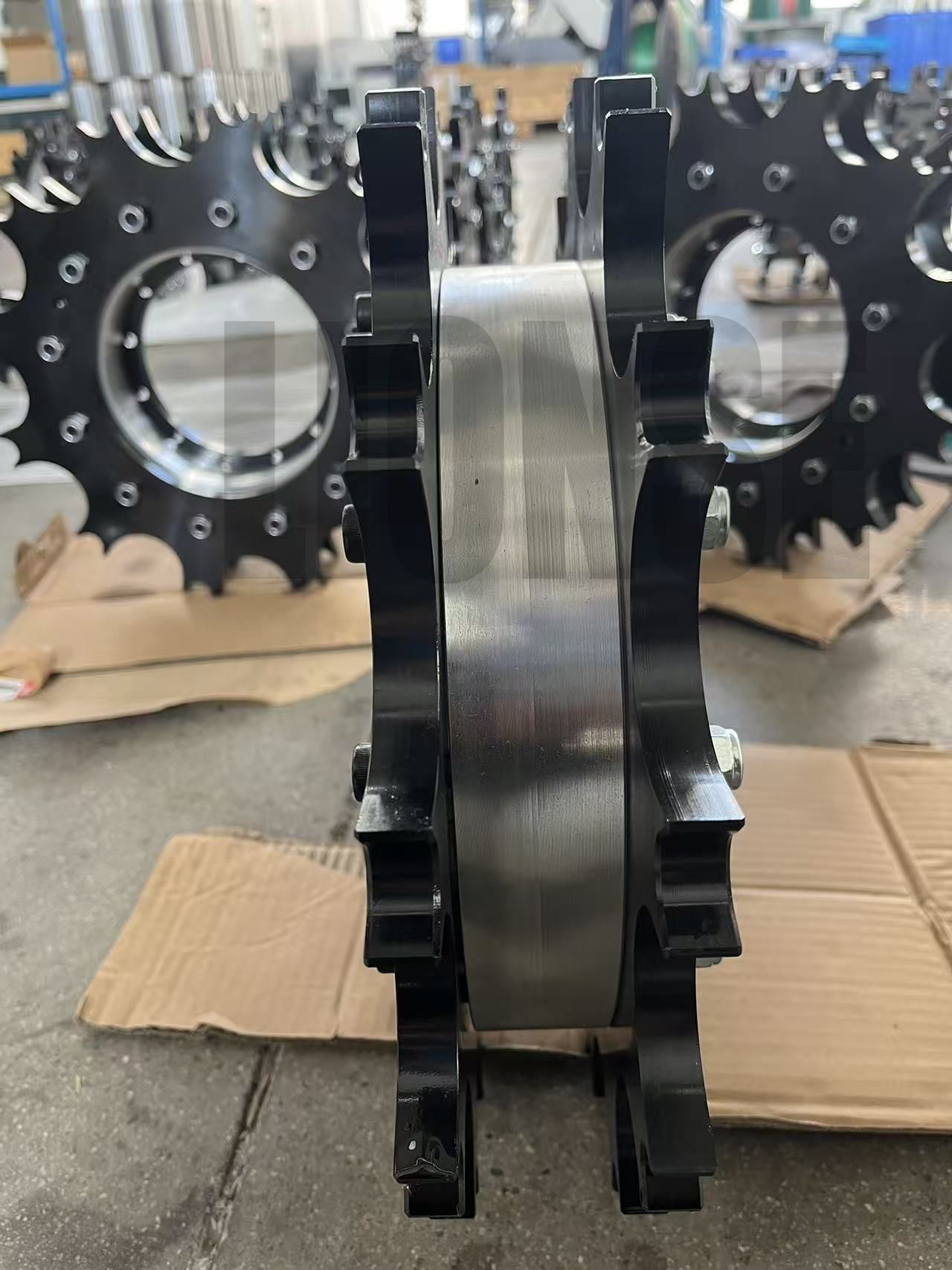

In the industrial field, the choice of chain wheel hub can affect the performance, durability and cost-effectiveness of the equipment. Whether this hub made of 42CrMo alloy steel is worth buying or not needs to be evaluated comprehensively.
The initial costs do vary.
Compared to cast iron or ordinary carbon steel chainwheel hubs, the production of 42CrMo alloy steel requires precise control of the alloy composition and the use of advanced heat treatment processes. Therefore, it is sold at a higher price initially. However, when evaluating the cost-effectiveness, we should not only focus on the initial expenditure.
The 42CrMo alloy steel has both high strength and hardness, and can withstand high pressure, impact and wear. It is used in heavy machinery such as mines, transportation and construction. Its lifespan is much longer than that of regular material hubs. Cast iron hubs are prone to cracking and wearing out, and they often require downtime for repair or replacement, costing much more than the initial savings.
The 42CrMo alloy steel wheel hub is less prone to premature failure, reducing the frequency of regular inspections and replacements, and lowering the maintenance workload and expenses, including parts, installation costs, and downtime losses. Its smooth operation can also enhance energy efficiency, resulting in considerable long-term energy cost savings.
Different industries have diverse requirements for sprocket hubs. In high-precision fields such as aerospace and automotive manufacturing, 42CrMo alloy steel offers stable dimensions and reliable performance, preventing production errors and quality issues, and represents a reasonable investment. When corrosion resistance is needed, treated coatings can extend the lifespan and reduce long-term costs.