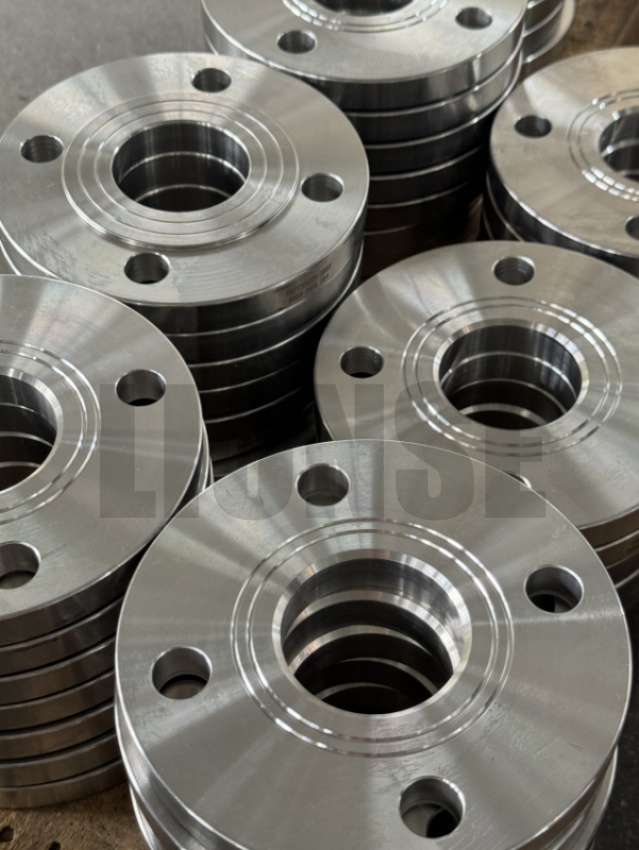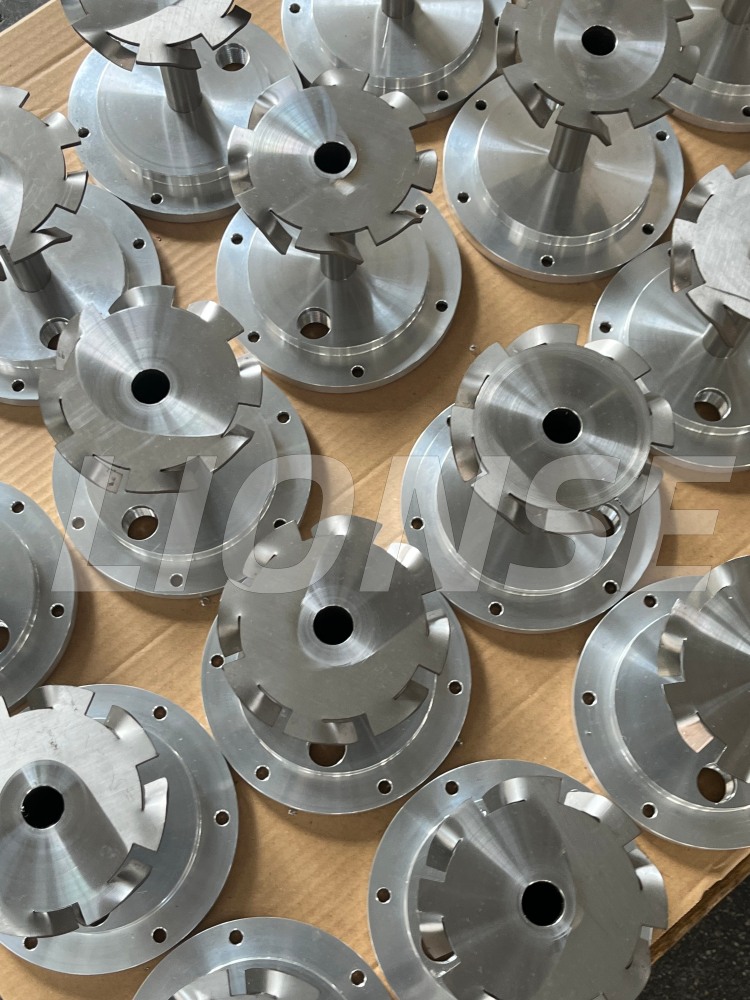

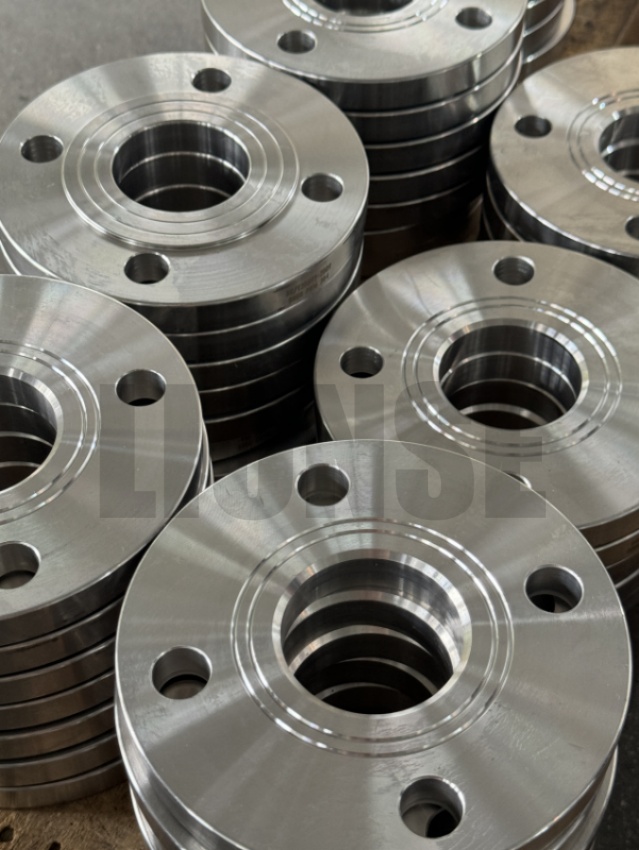
Hydraulic Test Flange are widely used in hydraulic systems and industrial equipment. To ensure reliable performance, proper installation and regular inspection are essential.
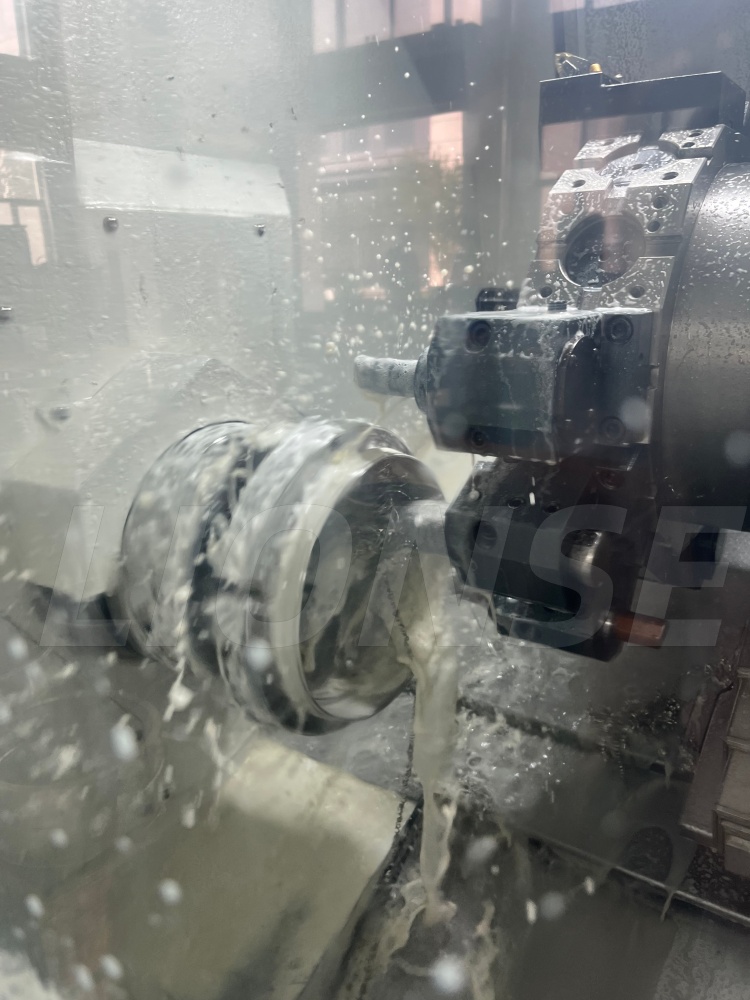
CNC machining is ideal for both plastic and metal parts, but if you are concerned about part price why not take a look at our suggestions for keeping your costs to a reasonable level.
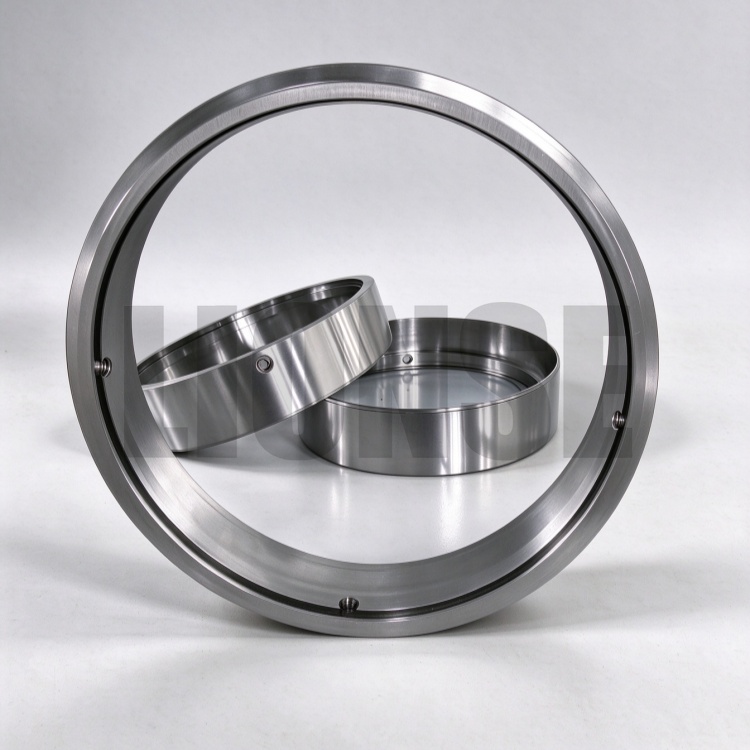
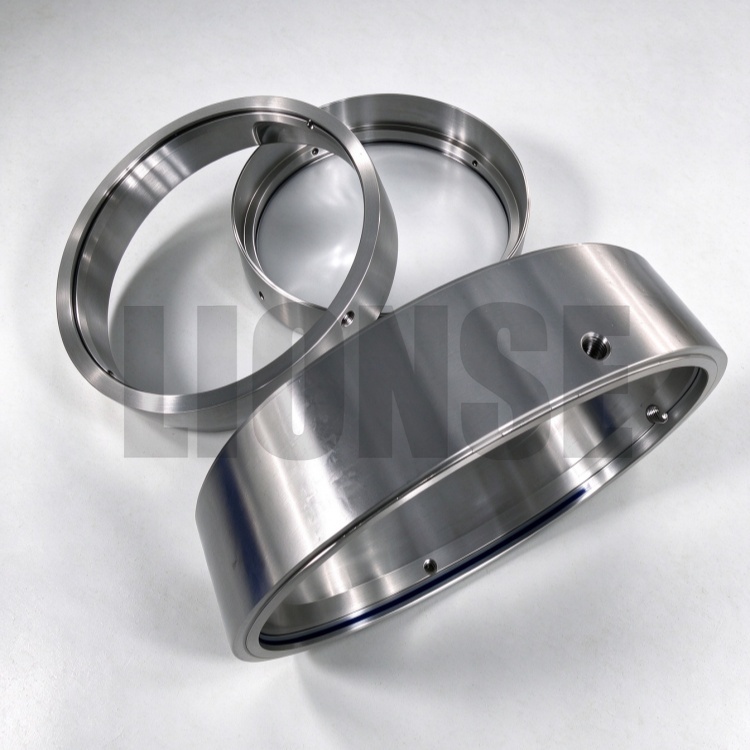
Learn how CNC machined metal rings are manufactured for precision applications, from machining process planning to turning and milling. LIONSE provides custom machining solutions for metal rings with various structural and functional features, supporting industrial and mechanical applications.
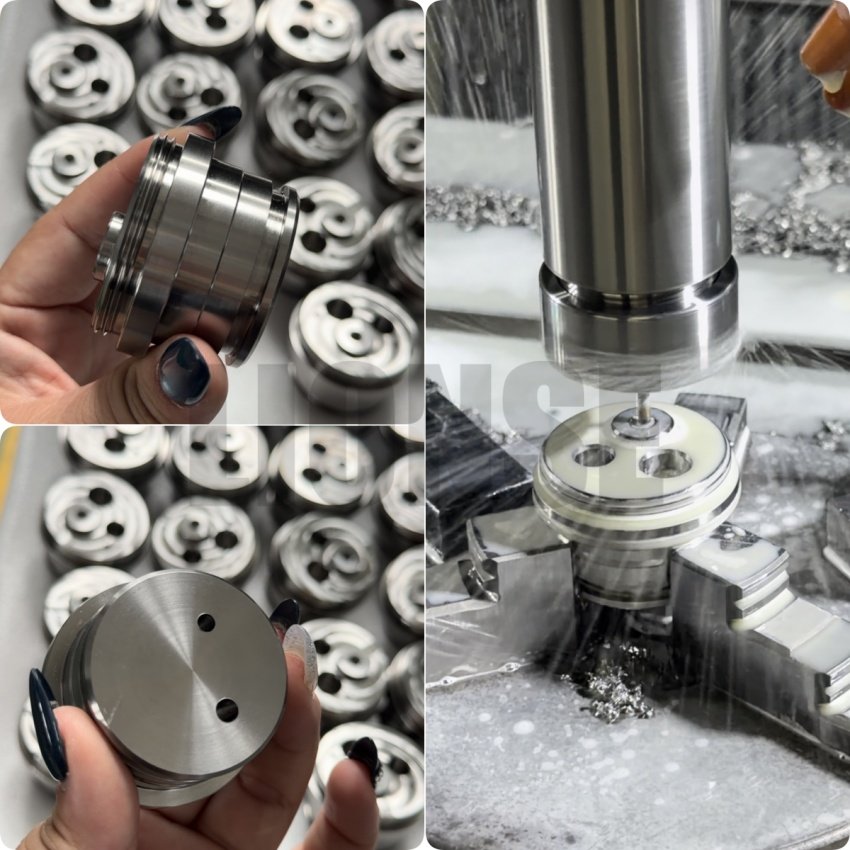
Titanium has a series of advantages such as light weight, high specific strength, high impact resistance, excellent seawater corrosion resistance, good fracture toughness, high fatigue strength, good welding performance, non-magnetic, good sound transmission, excellent heat and cold resistance, radiation resistance, shock absorption and noise resistance.

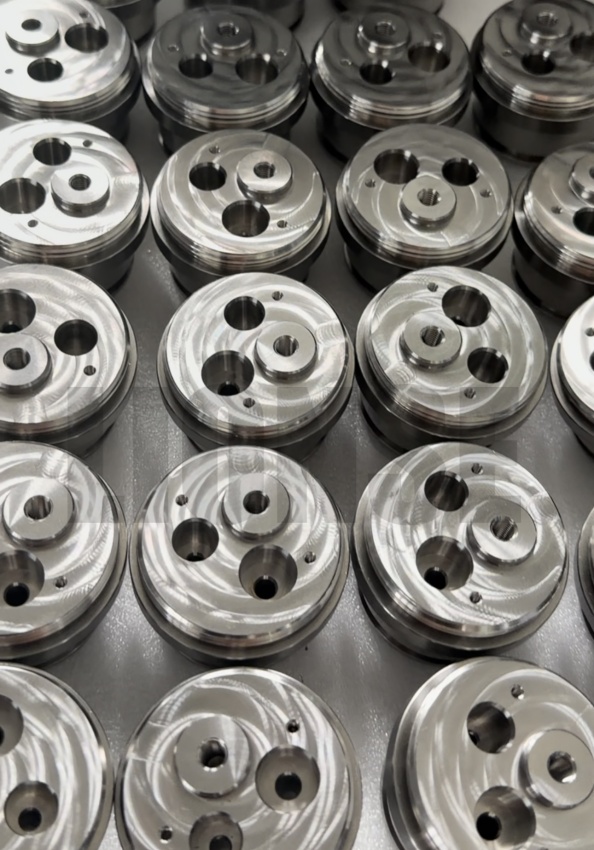
Precision CNC machining is the right choice for parts requiring high accuracy, complex designs, and reliable quality. When selecting a CNC machining supplier, customers should consider not only price but also technical capability, quality control, and manufacturing experience. With professional CNC machining expertise and reliable production capabilities, LIONSE provides high-quality custom machined parts for customers worldwide.
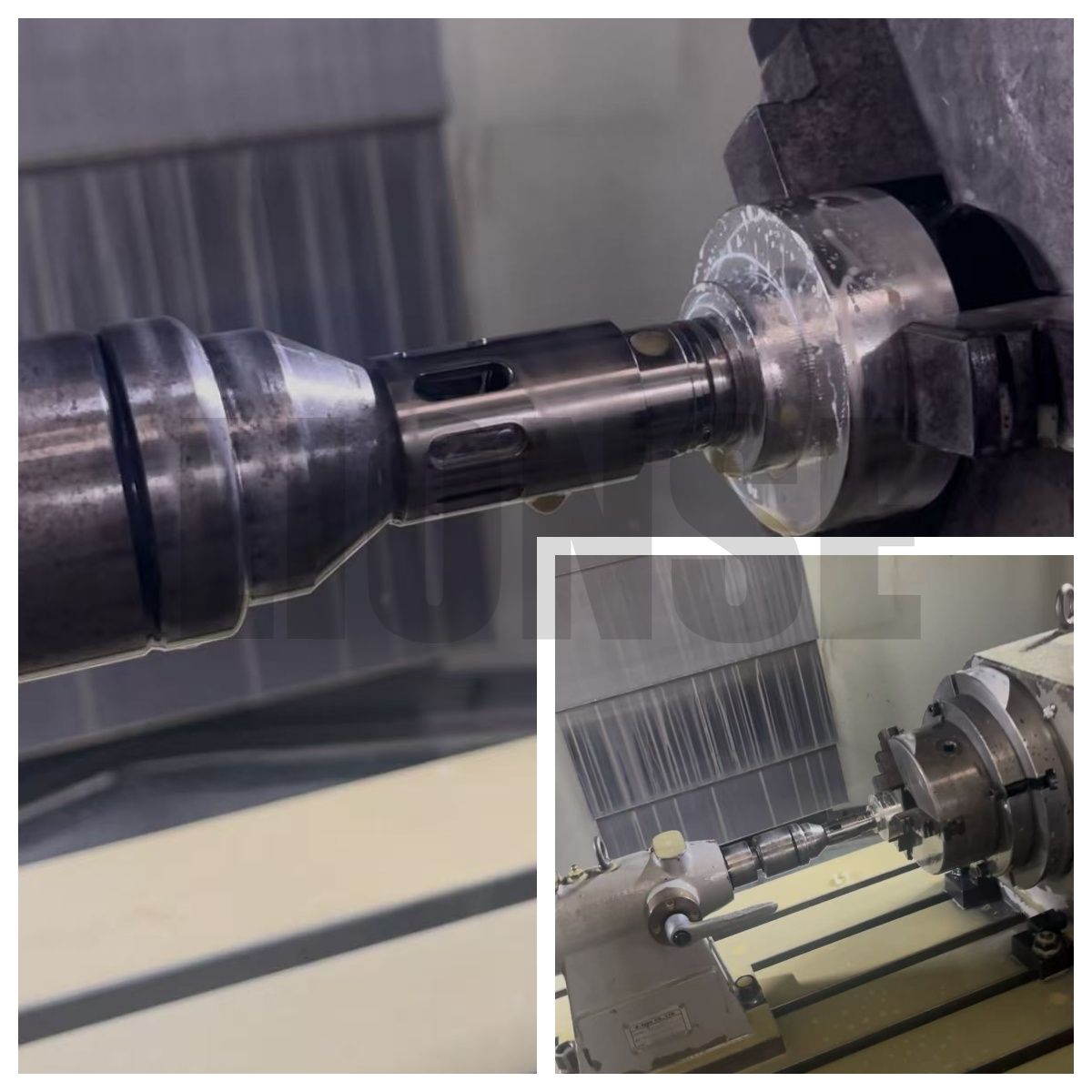
When sourcing custom CNC machined parts, customers often find that different suppliers provide different quotations for the same drawing. The price difference is not only related to material costs but also depends on machining processes, equipment, quality requirements, and manufacturing experience.