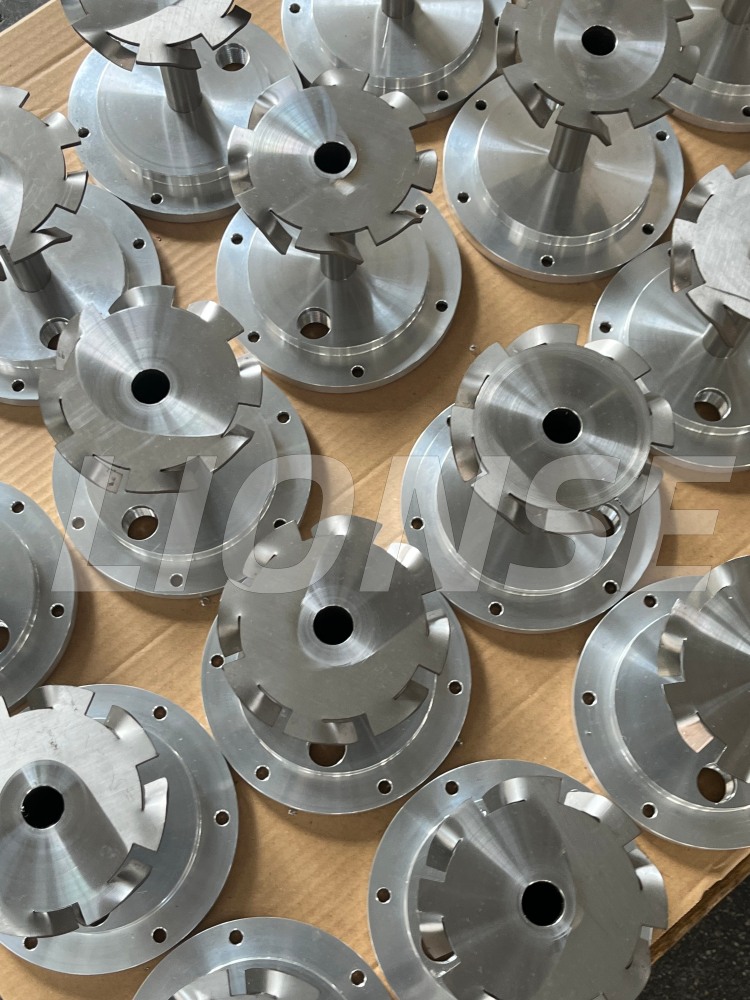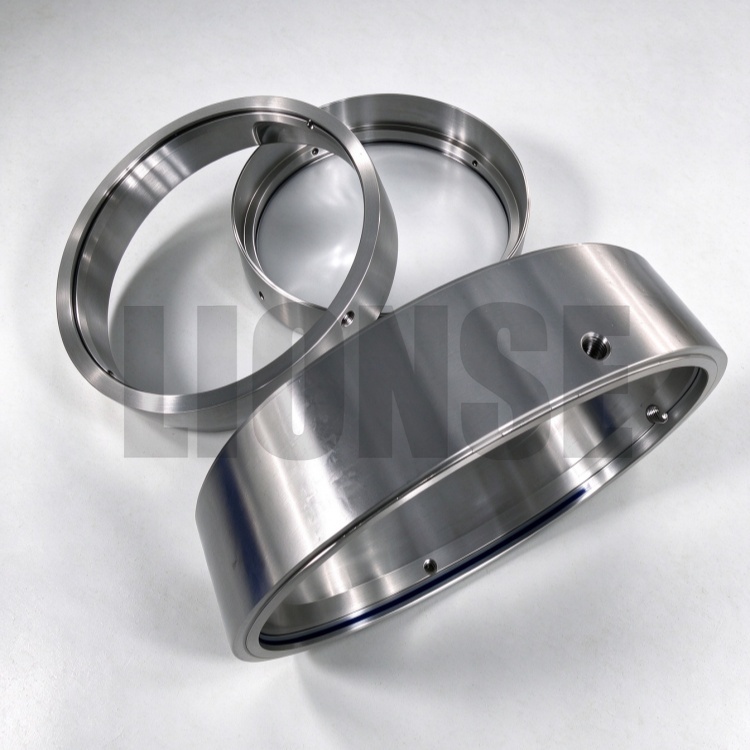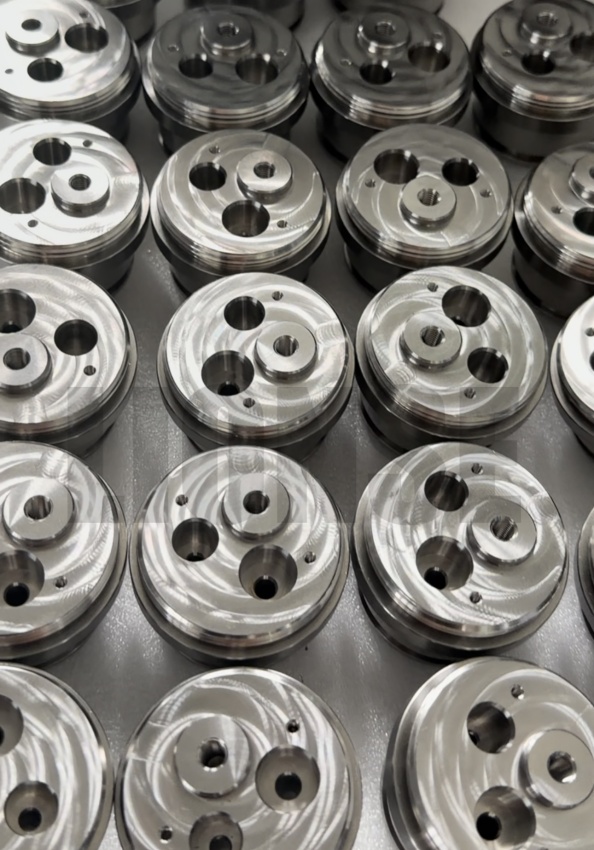


In precision mechanical assemblies, selecting the right components is essential for ensuring reliable performance, accurate positioning, and long-term durability. Custom CNC Machined Threaded Standoffs are widely used mechanical components designed to provide spacing, support, and secure threaded connections between assembled parts. Unlike standard off-the-shelf standoffs, custom CNC machined threaded standoffs can be manufactured according to specific design requirements, allowing engineers to achieve the exact dimensions, thread specifications, materials, and structural features needed for their applications.

The manufacturing of high-precision components requires more than just machining skills. Obviously, the manufacturing of precision components requires a specific environment, which requires the use of cutting-edge technology, precise processes, and rich professional knowledge.

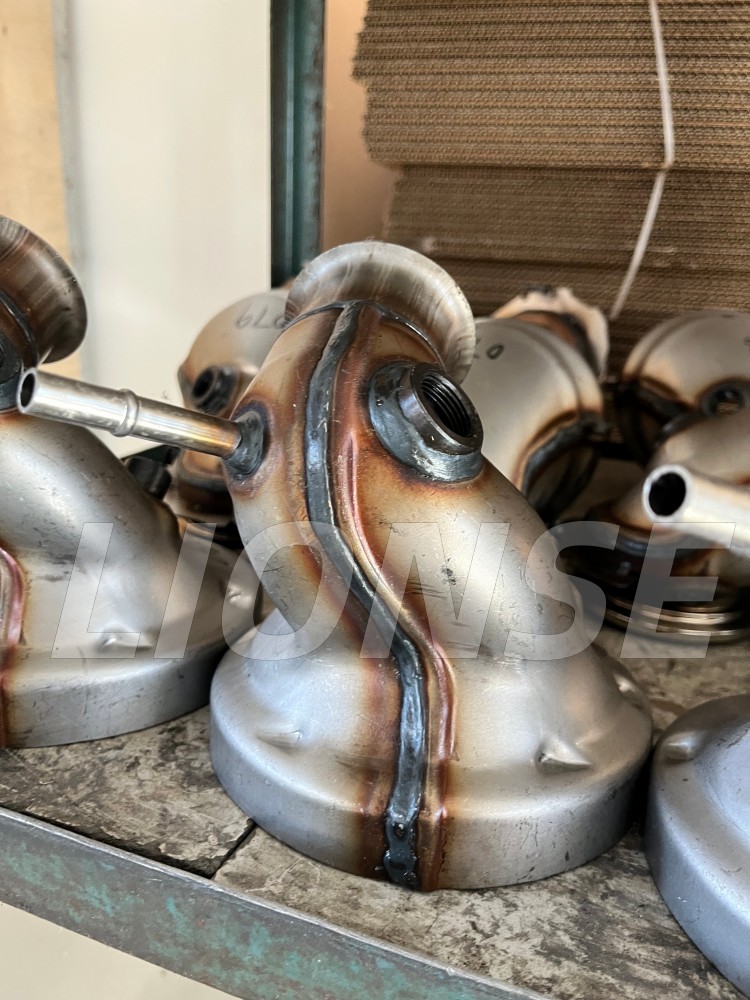
In many industrial applications, investment cast parts offer greater structural integrity and a longer service life than welded fabrications. This is especially true for components that operate under heavy loads, constant vibration, or demanding working conditions. By combining investment casting with precision CNC machining, manufacturers can produce reliable, high-performance parts with consistent quality and reduced maintenance requirements.

Stainless steel investment casting, combined with precision CNC machining, is a proven manufacturing solution for producing high-quality, complex metal components. Compared with conventional manufacturing methods, it offers excellent dimensional accuracy, greater design flexibility, improved material efficiency, and lower overall production costs. As a result, it is widely used across industries such as industrial machinery, mining equipment, automotive, food processing, marine, and energy.

Anodizing is an electrochemical passivation method used to thicken natural oxide coatings on metal (mainly aluminum) surfaces. In the process of aluminum anodizing, the metal acts as the anode in the electrolytic cell, usually placed in an acidic electrolyte and driven by controlled current for oxidation. This will produce a thick, adsorbent layer of oxide - mainly aluminum oxide - which is part of the substrate, not the coating. .
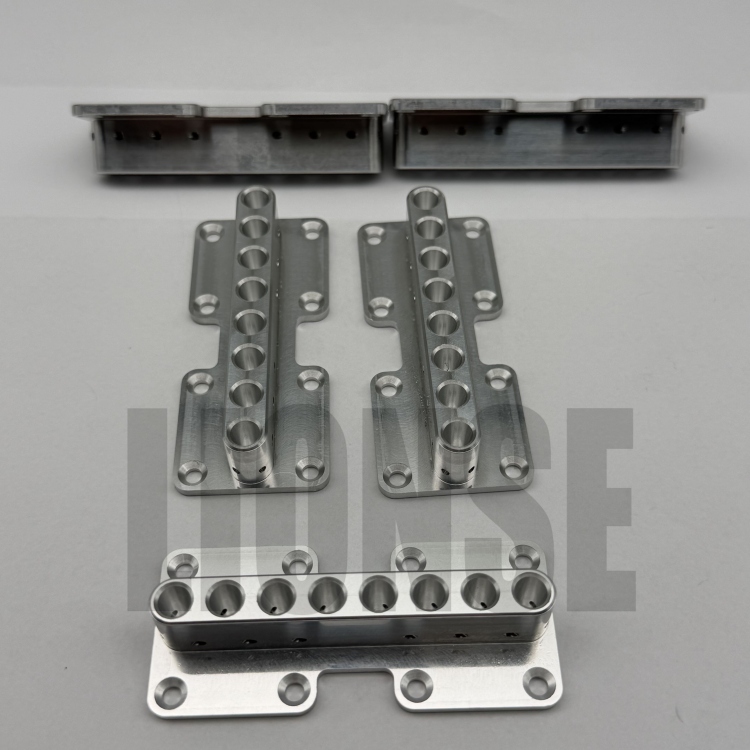
The blackening of aluminum parts is not "rust", but a layer of dense black oxide film is generated on the surface through chemical reaction, which has three functions of anti-corrosion, wear resistance and beauty.