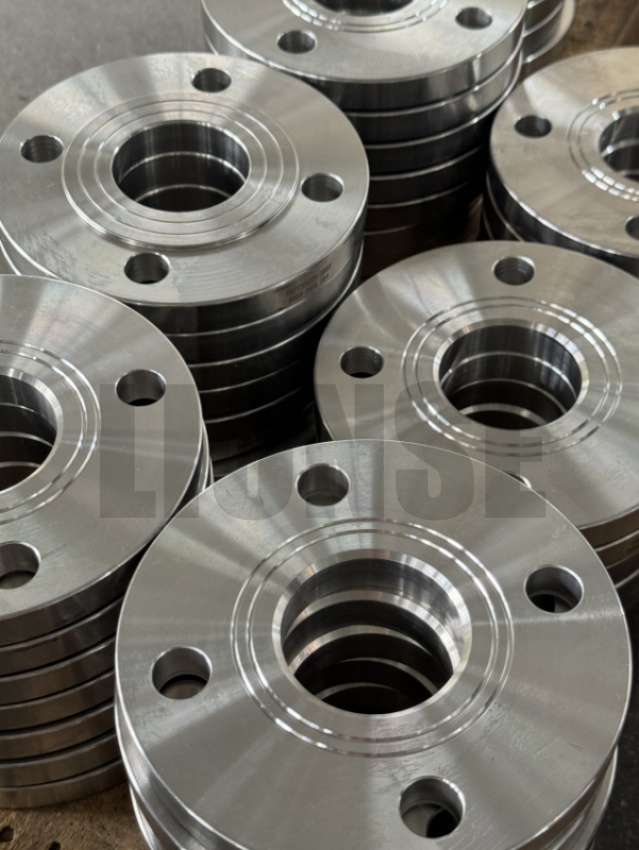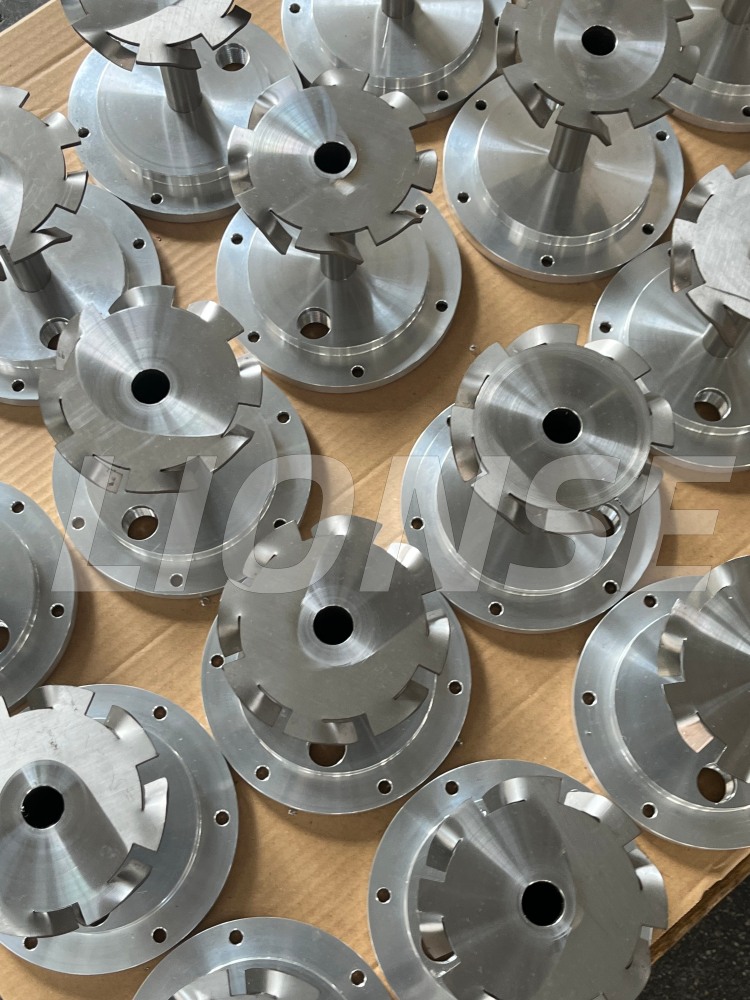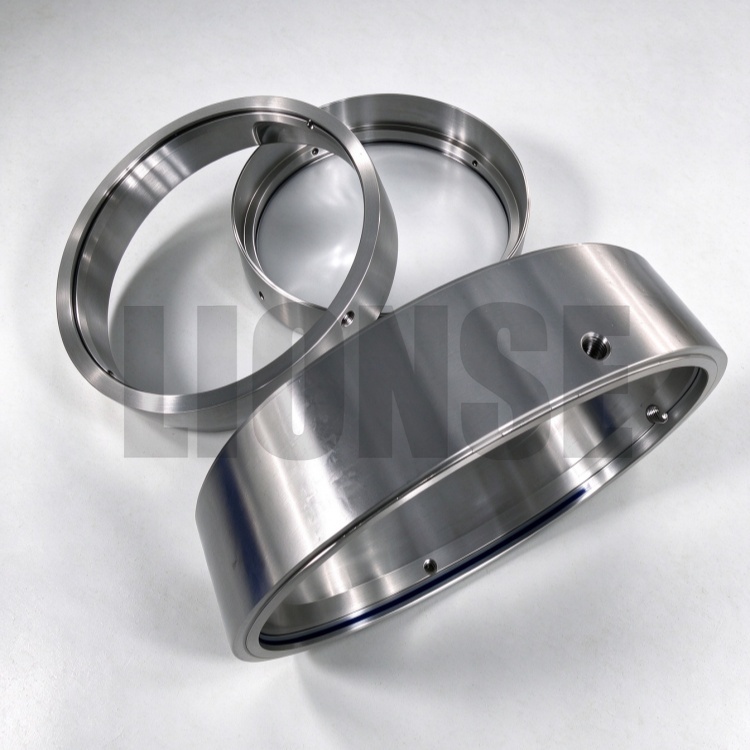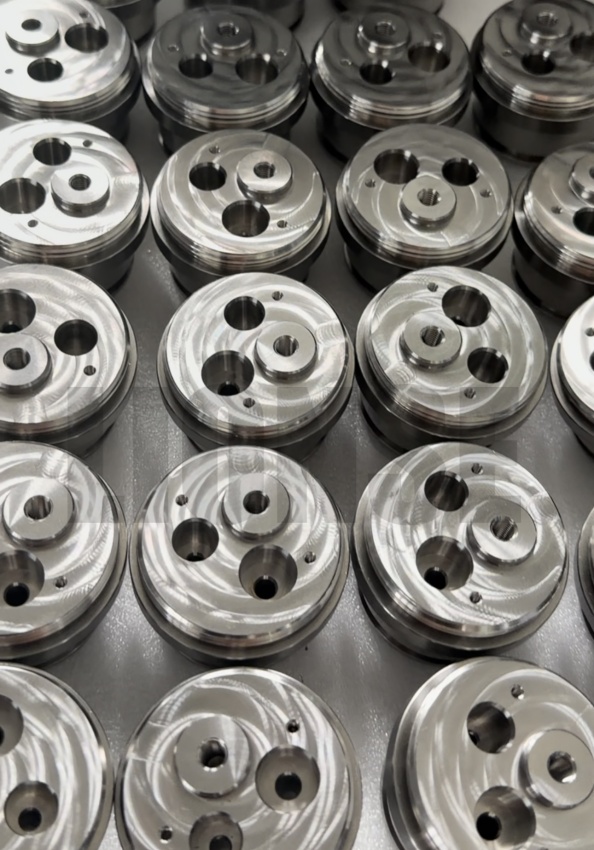

Aluminum has high dimensional stability, fast processing speed, and good surface smoothness. By using hard alloy cutting tools and modern coolant, good surface smoothness can be achieved. Parts can be sandblasted to achieve a matte surface, or anodized to achieve a consistent appearance and stronger corrosion resistance. Therefore, it has been widely used in precise aluminum alloy machine tool equipment parts.
Aluminum is lighter than most metals, so it is a good choice when considering weight. Although the tensile strength of pure aluminum is less than 100 MPa, its strength can be enhanced through the following methods:
Alloying: Adding other elements to improve grain structure.
Heat treatment: Heating and cooling at a controlled rate to form the desired microstructure.
Work hardening: The deformation of a metal to change its grain structure, usually achieved during rolling or later through forging.
The corrosion resistance of aluminum varies by grade, but when corrosion resistance is required, aluminum is undoubtedly the ideal choice. Aluminum and its alloys have a strong affinity for oxygen.
Although copper is usually the most conductive material, aluminum is also widely used in electrical components due to its lighter and more economical weight.
Sustainability is the top priority in the field of engineering. It is estimated that about 75% of all aluminum materials produced so far are still in use. The energy required for recycling aluminum is much lower than that of producing raw aluminum, and as long as impurities are controlled properly, aluminum can be repeatedly recycled and reused.
If you also need to customize and produce related machine tool equipment parts, please feel free to send us your drawings. We will definitely offer you the best price and service! Come and contact us to customize the precise aluminum alloy machine tool equipment parts!