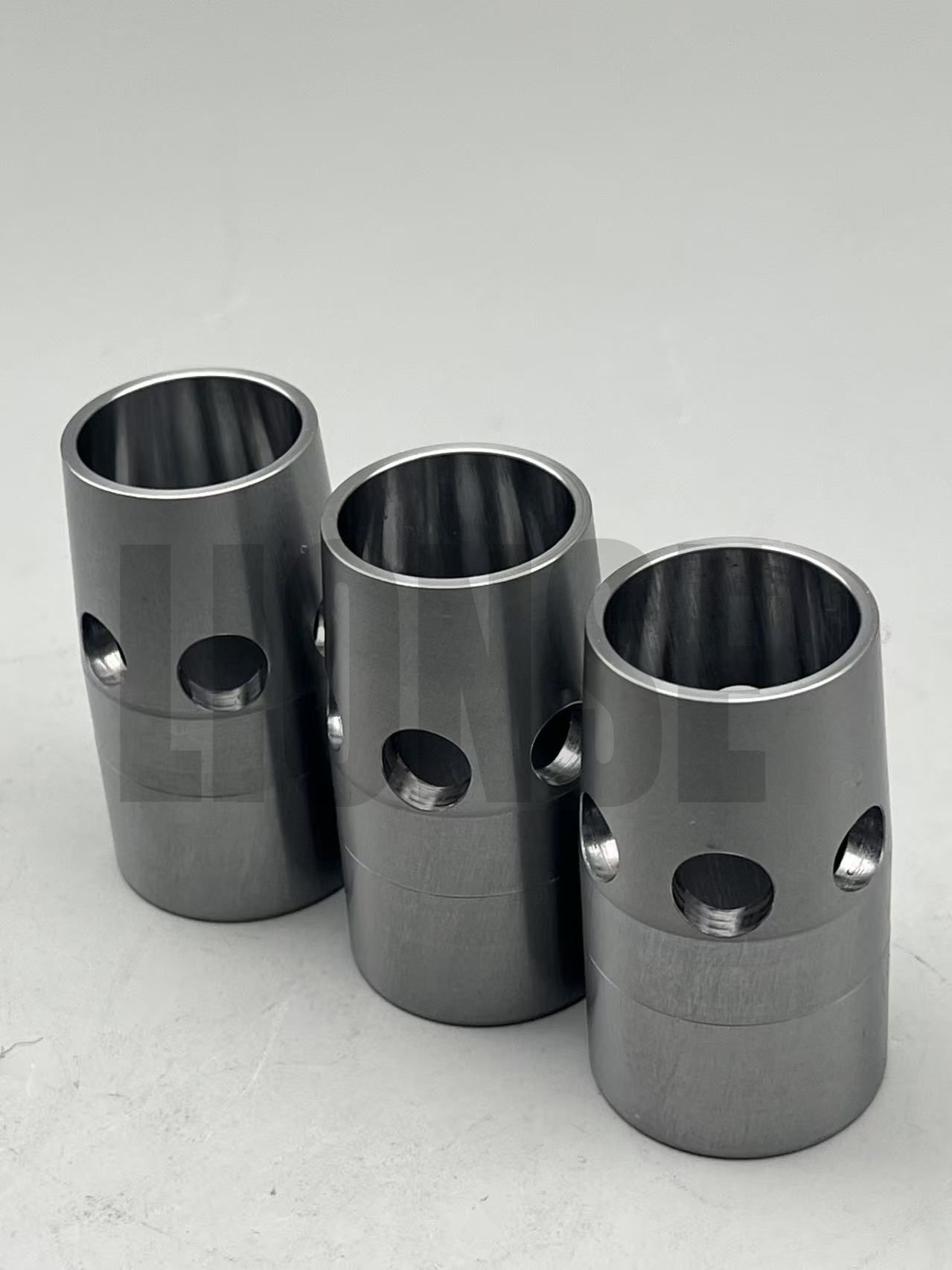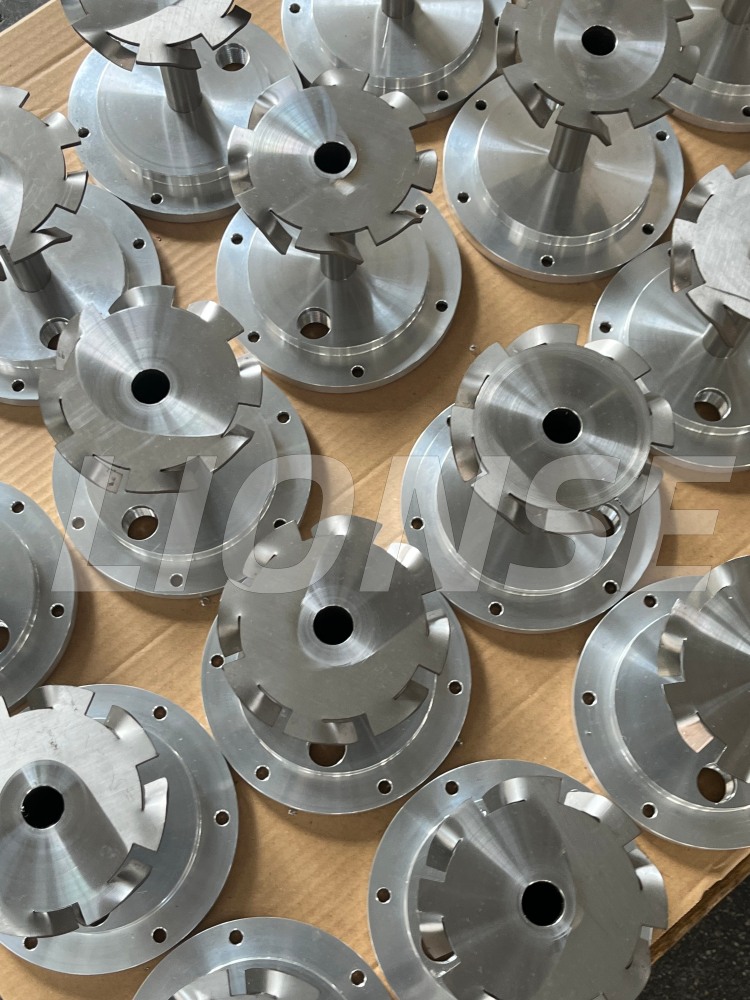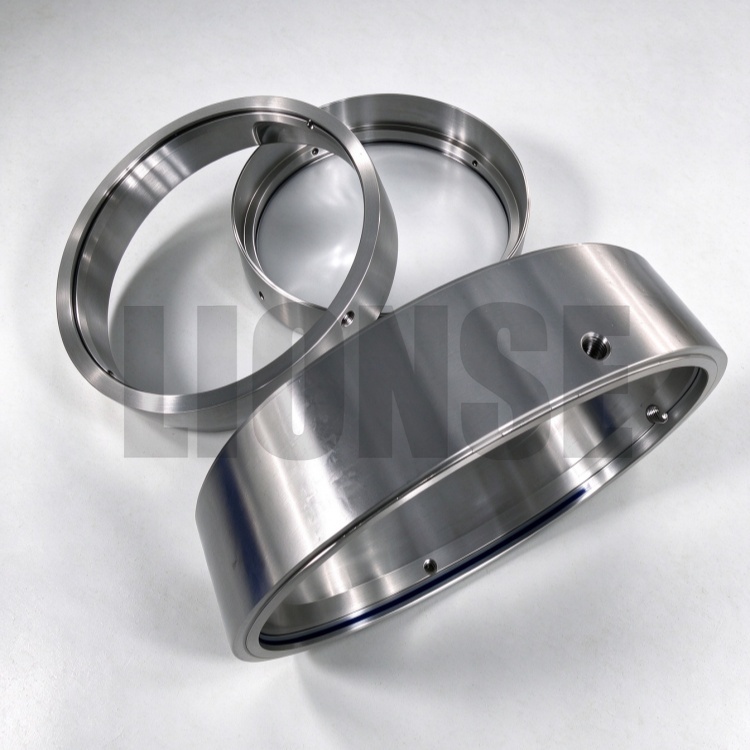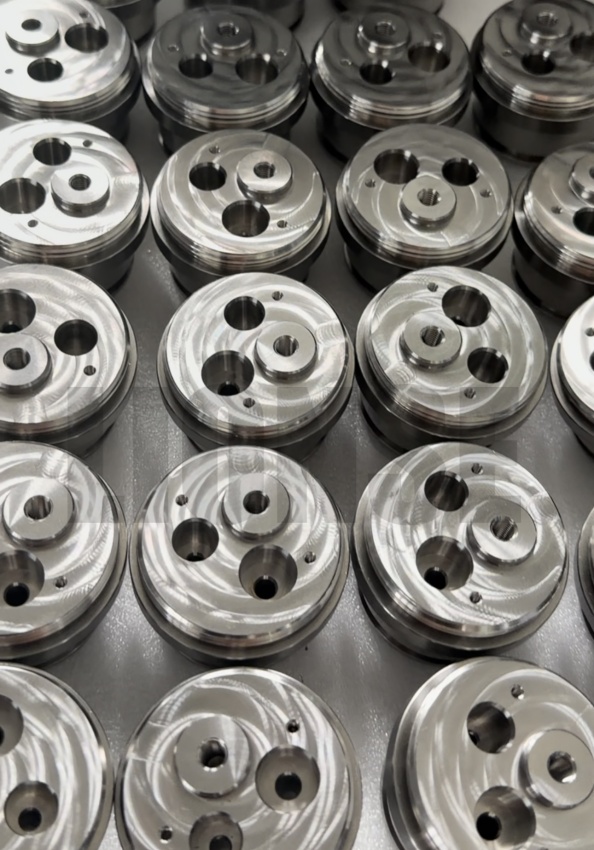

With the increasing demand for precision mechanical components in modern manufacturing, bushings and sleeves have become widely used in construction machinery, hydraulic systems, automotive manufacturing, and industrial automation equipment. However, during actual purchasing and application processes, many users still confuse the concepts of “bushings” and “sleeves.”
Although these two components may appear structurally similar, they differ considerably in terms of functional purpose, material selection, and application environments. In most cases, bushings are primarily designed to reduce friction, guide moving parts, and protect shaft or bore structures. As replaceable wear components, they help minimize mechanical wear and extend equipment lifespan. Sleeves, on the other hand, are more commonly used for positioning, connection, fixing, protection, or structural support purposes.
Therefore, correctly distinguishing between bushings and sleeves is essential in mechanical design, equipment maintenance, and component selection. Proper selection not only improves operational stability, but also reduces maintenance costs and enhances overall production efficiency.
Driven by the rapid development of construction machinery, agricultural equipment, and industrial automation systems, market demand for high-wear-resistant, self-lubricating, and precision-customized bushings and sleeves continues to grow. Today, high-quality mechanical components are becoming increasingly important for ensuring the performance and durability of modern industrial equipment.