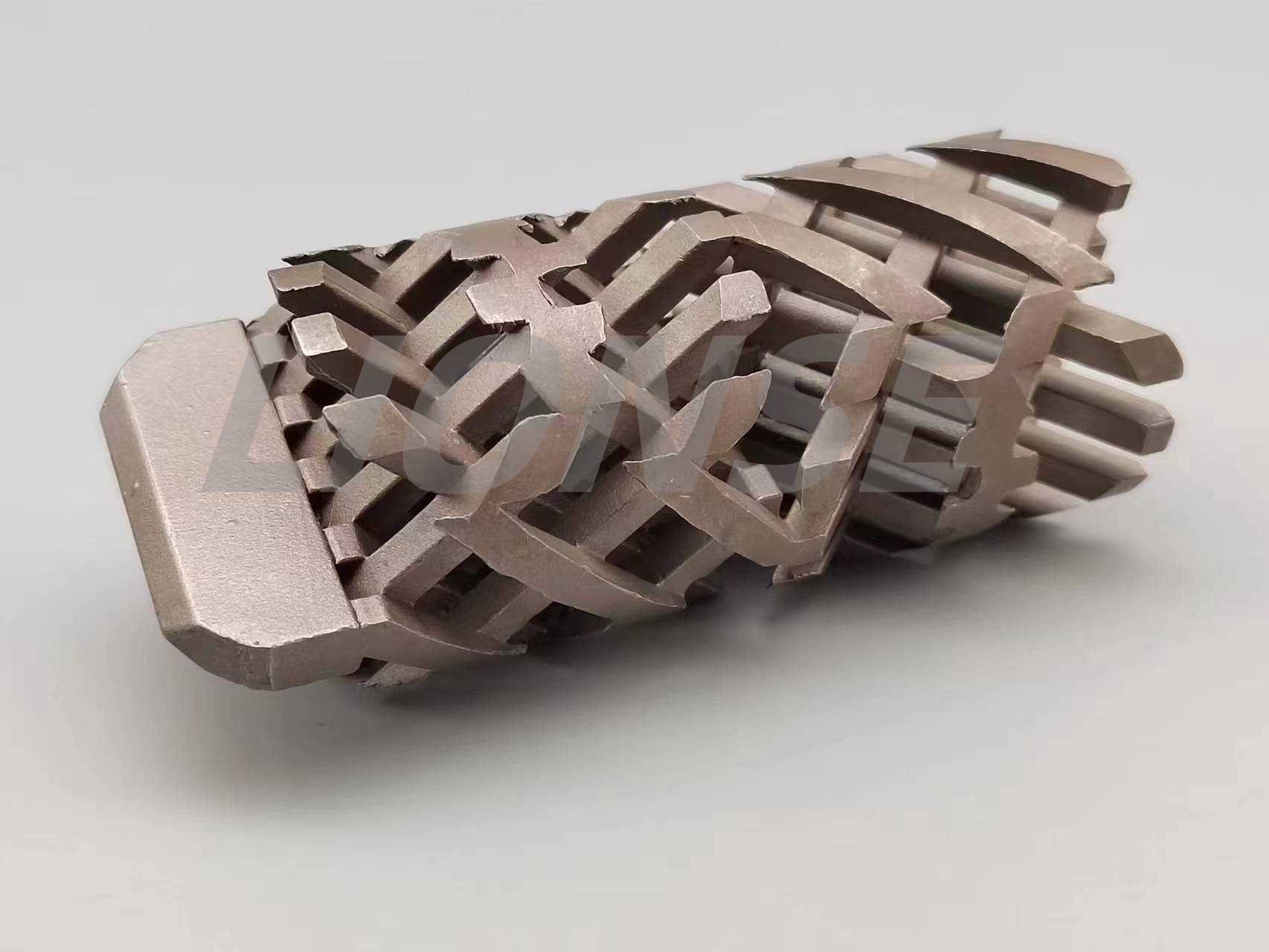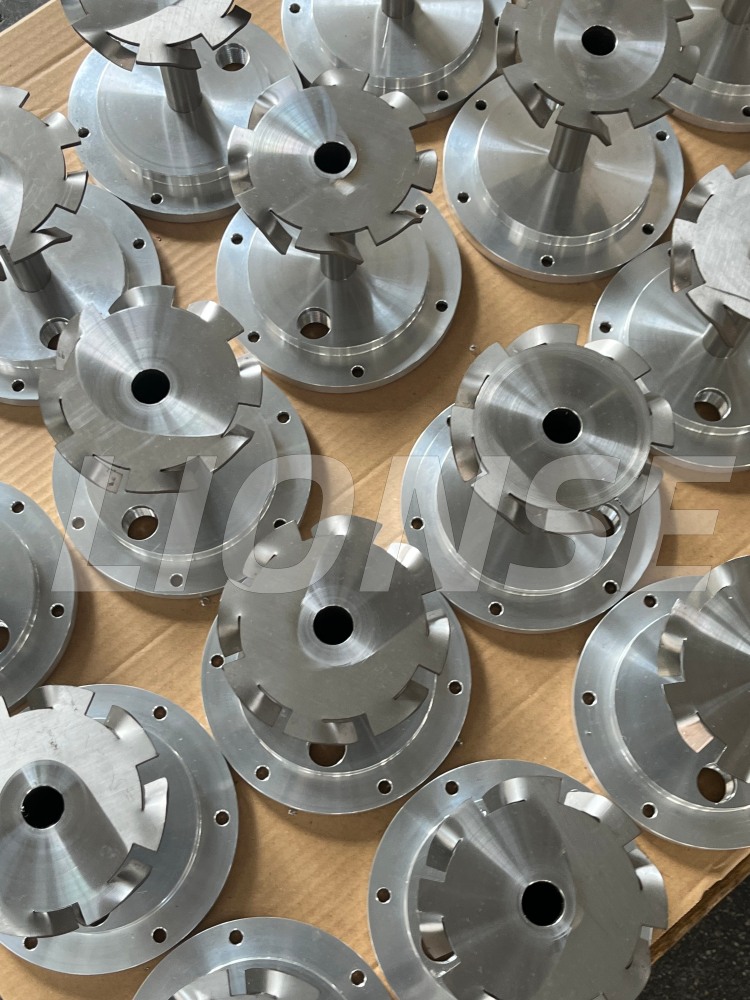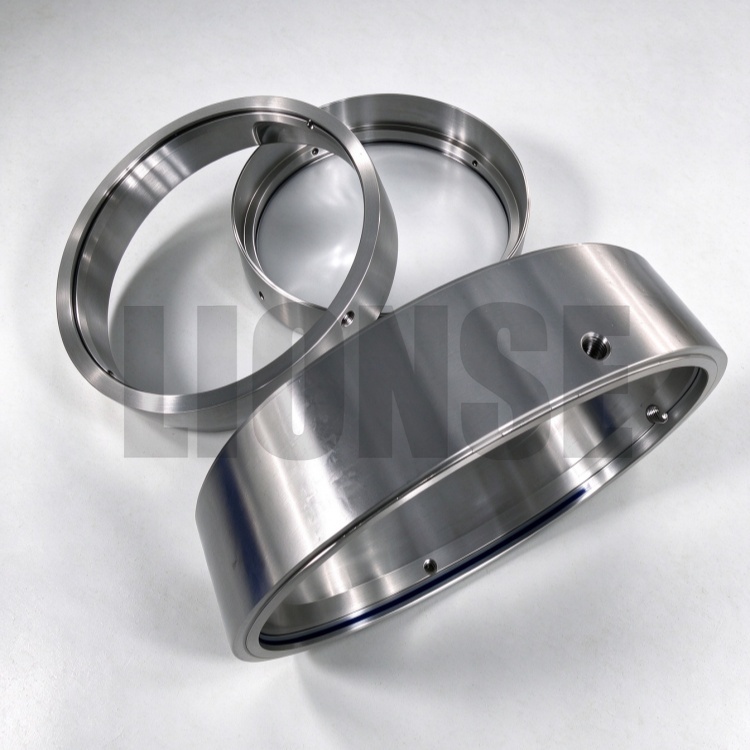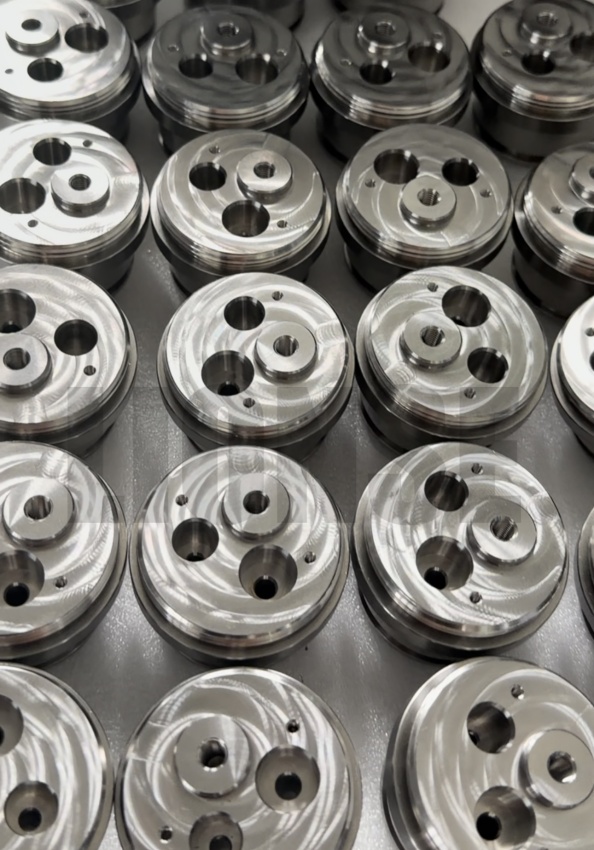

In modern manufacturing, 3D printed mechanical parts are no longer used only for prototypes. More companies are using them for functional applications, custom tools, and even production components. However, one common issue remains: many printed parts break too easily, warp under pressure, or wear out faster than expected. So how can the strength of 3D printed mechanical parts be improved?
The first step is selecting the right material. PLA is popular because it is easy to print, but it is not always suitable for mechanical applications due to its lower heat resistance and brittleness. Materials such as ABS, PETG, nylon, and carbon fiber reinforced filaments are often better choices for parts that need higher strength and durability.
Print settings also play a major role in part performance. Increasing infill density, using thicker walls, and adjusting layer height can significantly improve structural strength. In many cases, weak parts are caused not by poor materials, but by thin outer shells or low-density internal structures.
Another important factor is print orientation. Since 3D printed objects are built layer by layer, the bond between layers is usually weaker than the material inside each layer. Properly positioning the model during printing can reduce the risk of cracking or separation. For load-bearing parts, aligning the print layers with the direction of force often produces better results.
For industrial applications, post-processing techniques can further enhance strength. Annealing, epoxy coatings, and metal insert reinforcements are commonly used to improve wear resistance and overall durability. These methods can help printed components perform more reliably in demanding environments.
With the development of advanced materials and industrial-grade printers, 3D printed mechanical parts are becoming a practical solution for machinery, automation equipment, automotive components, and customized manufacturing. High-strength 3D printing is expected to play an even bigger role in the future of smart manufacturing.