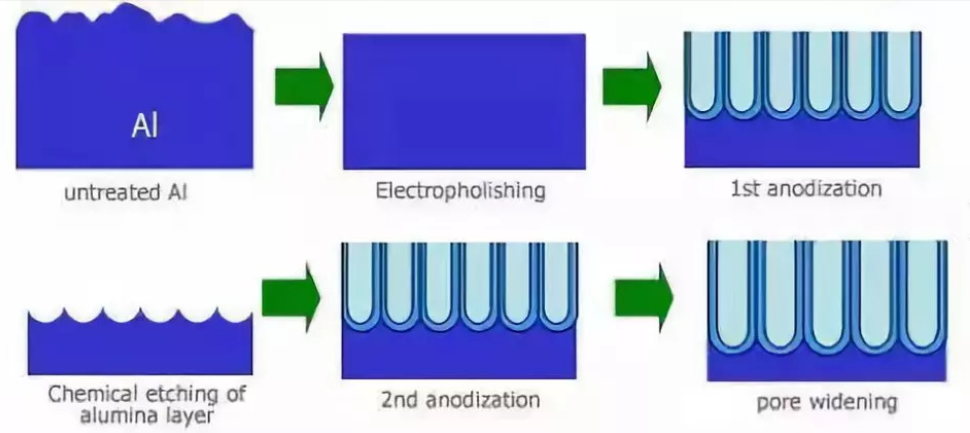

Anodizing is in stark contrast to electroplating, spraying, and nitriding. Anodizing is superior to electroplating because it modifies the substrate rather than depositing a separate layer of metal, thereby improving adhesion and service life. Spraying allows for flexible material selection, but its hardness and wear resistance are not as good as anodized surfaces. .
Nitriding process is commonly used for steel to increase surface hardness through nitrogen diffusion, but it is not suitable for aluminum. Anodizing technology is suitable for aluminum parts that require corrosion resistance, moderate wear resistance, and aesthetics. Anodizing technology is not suitable when extremely high hardness, thick coatings, or when it must be applied to non reactive metals. .
In industrial practice, the basis for choosing anodizing is the compatibility and cost of materials and performance requirements. As for aluminum based systems, anodizing of aluminum remains one of the most effective and versatile surface engineering solutions