
Typical titanium alloy parts on automobiles include rotor blades of turbine chargers made of TiAl, connecting rods, valves, etc. made of Ti-6A1-4V alloy, etc. Recently, progress has been made in the development of low-cost titanium alloys for engine valves and exhaust. Especially with the increasing demand for titanium alloys in the exhaust system (muffler) of motorcycles, the development of low-cost alloys for exhaust systems is becoming more popular.
Using titanium alloy to make car valves not only reduces weight and extends service life, but also has high reliability and can save fuel.
The most widely used titanium component in racing and sports cars is the valve seat, which is generally made of Ti-6A1-4V alloy.
Using titanium alloy to manufacture connecting rods is the most effective way to reduce engine weight and greatly improve performance. The main material used for the connecting rod is Ti-6A1-4V.
Compared with steel springs used in ordinary cars, titanium springs have light weight and good corrosion resistance. A titanium alloy has been developed to meet the cost and component assembly requirements of automotive suspension spring manufacturers. This material retains the excellent performance of titanium alloy springs used in aviation and greatly reduces costs.
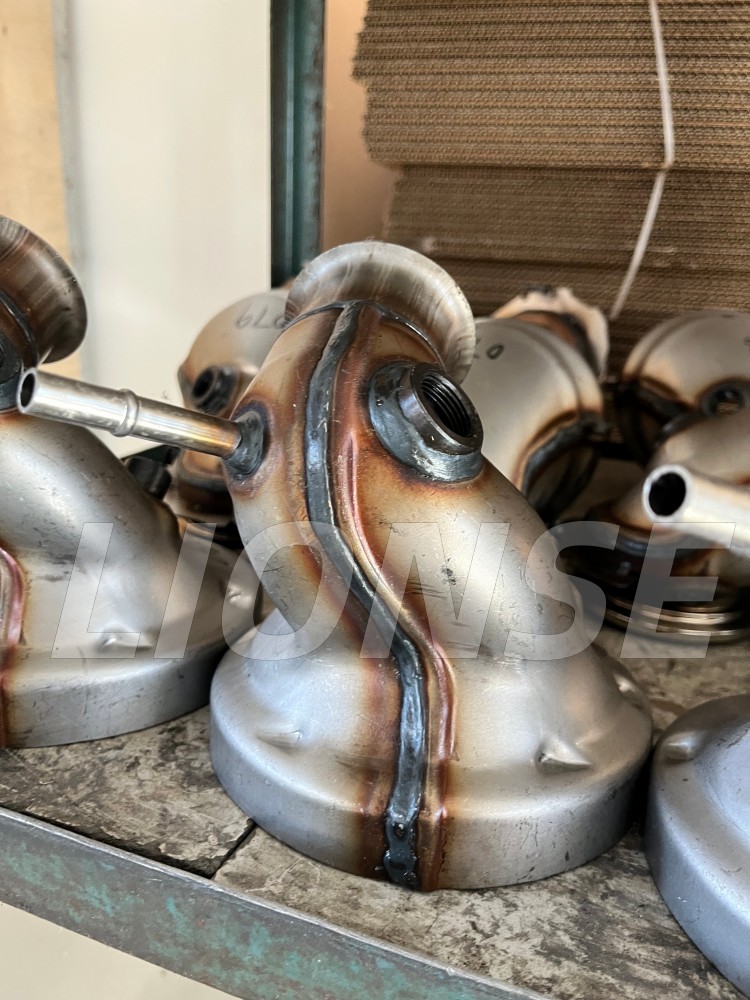
The titanium muffler weighs only 5-6kg, which is much lighter than stainless steel and other mufflers, and is easy to operate.
Titanium can be used in other forms of vehicle components to greatly reduce weight and improve durability, including engine components, drive gear train parts, suspension systems, and structural components. Such as shock absorber center rod, hanging ear nut and bolt, control rod, fastener, driven shaft, gear bracket, door protrusion beam, brake caliper piston, engine connecting rod, pin bolt, valve, valve spring and seat, etc.
For many types of fasteners, titanium can be used instead of steel. Titanium fasteners are feasible or necessary in future light transportation vehicles.