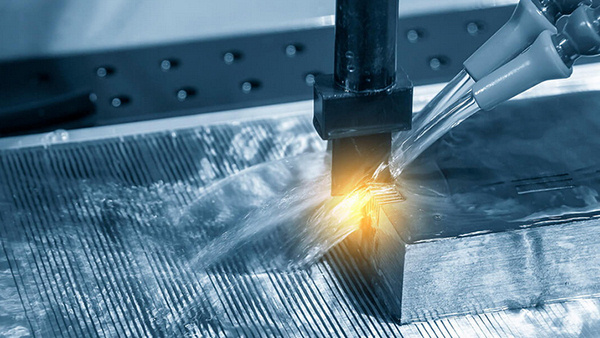

Electric discharge machining, also known as electrical discharge machining, is a thermal material removal technique that uses a set of controlled discharges to generate controllable spark erosion on conductive workpieces. Unlike traditional machining programs that rely on cutting force, electrical discharge machining removes metal through localized melting and vaporization using high-frequency sparks. .
Electric discharge machining is carried out in a dielectric medium, usually using deionized water or electric discharge machining oil, which act as insulation before reaching the critical voltage threshold. When the electric field strength exceeds the dielectric strength, electric sparks will be generated at micrometer level distances. This partial discharge forms highly confined plasma channels with extremely high temperatures ranging from 8000 ° C to 12000 ° C.
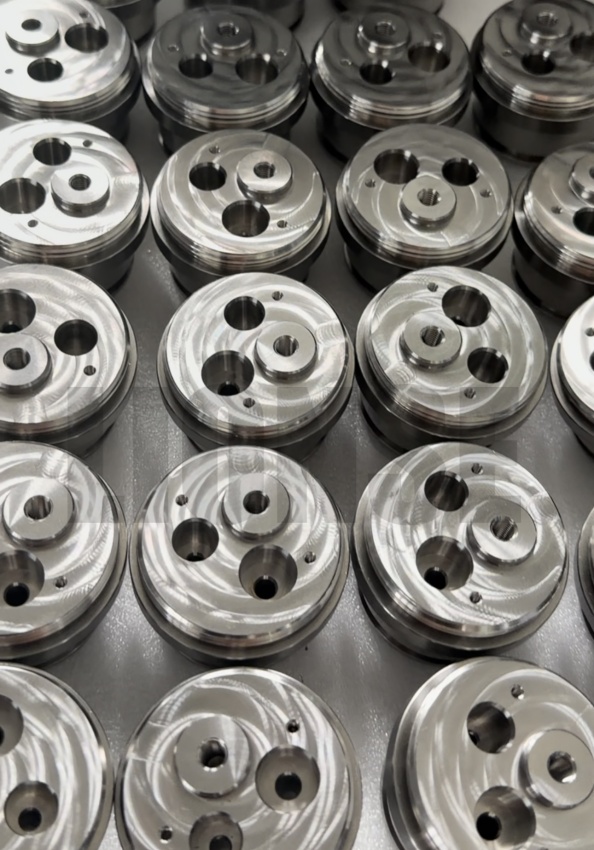
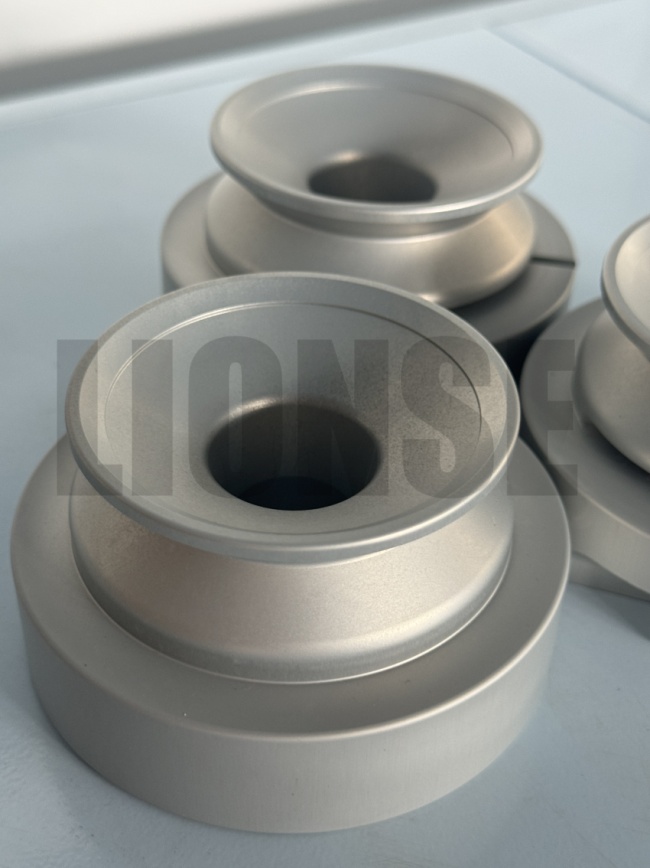
An important advantage of electrical discharge machining is that it does not generate mechanical stress. This makes it very suitable for work hardening materials and fine geometric shapes. Electric discharge machining is commonly used to manufacture injection molds, extrusion molds, turbine parts, and precision tool inserts, while traditional cutting tools either fail or encounter difficulties.