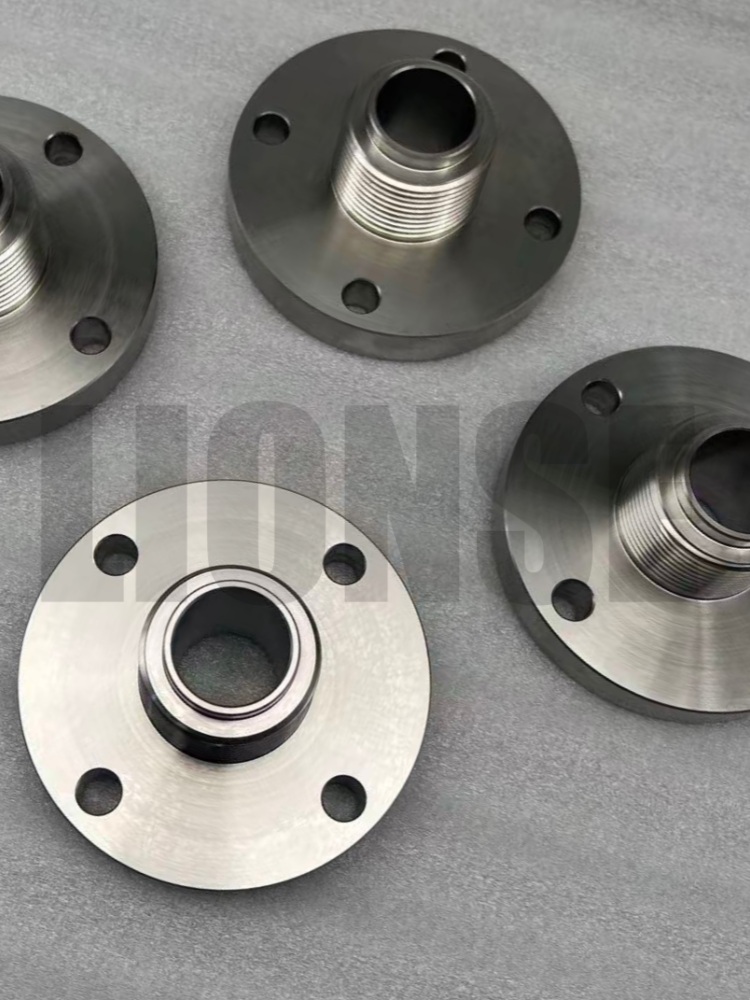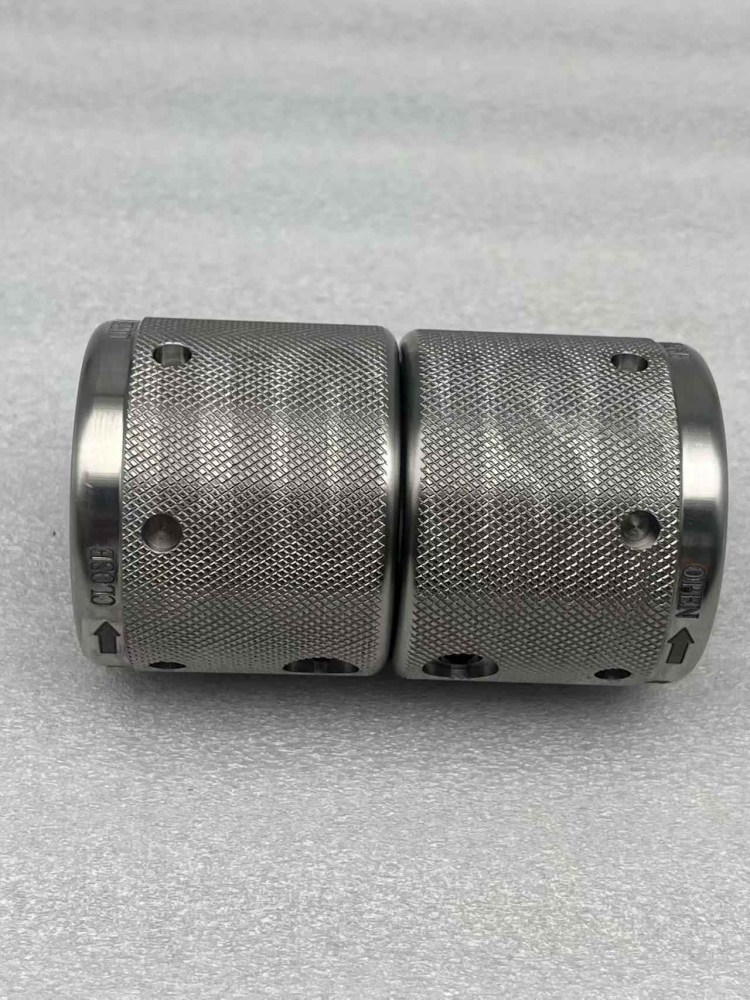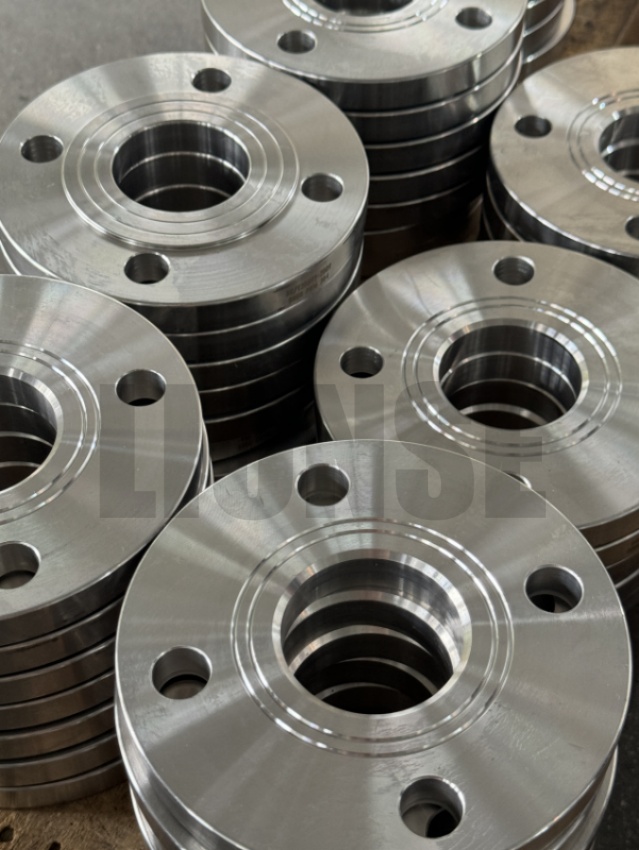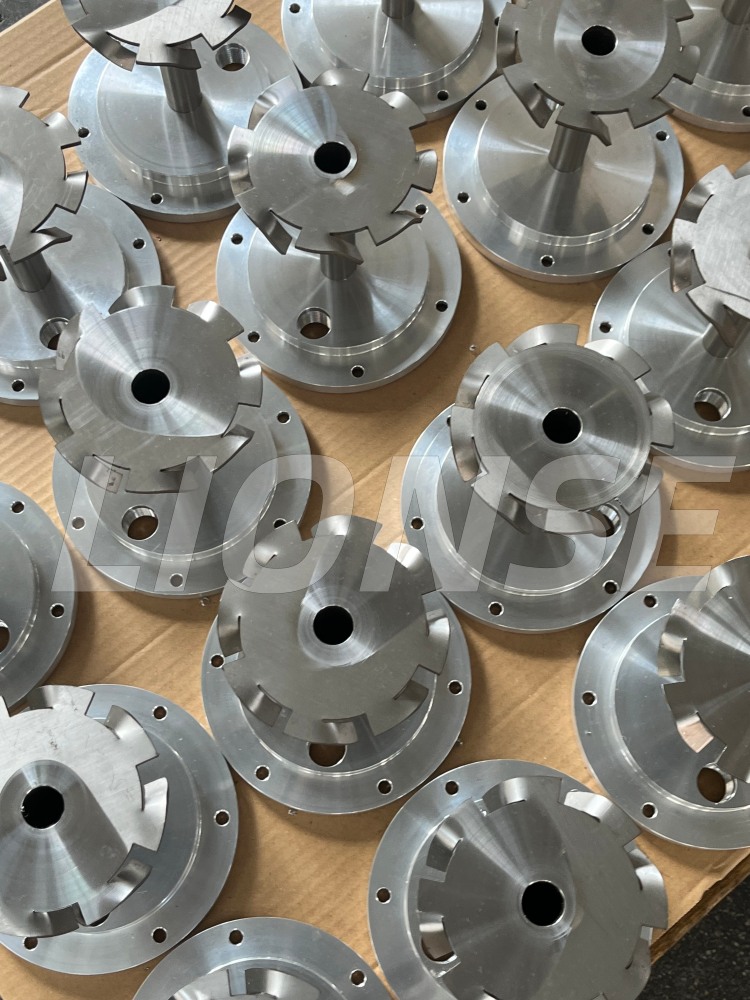

Lionse has specialised in high-precision CNC turning services for years, with rich hands-on experience in precision component manufacturing. Below we share our practical know‑how for high-precision CNC turning:
1. Part structure analysis
Analyse the component to decide the machining sequence: outer diameter first or inner bore first. For specially shaped parts, take machining deformation into account. Follow the process of roughing before finishing. We also need to plan how to minimise deformation from stress release.
2. Workholding strategy
Workholding must guarantee concentricity. Where required, truing / levelling is performed to meet tolerance specifications. We also guard against deformation induced by clamping force. Secure, stable fixturing is critical to avoid distortion under cutting loads.
3. Cutting parameter optimisation
Set feed and speed parameters matched to your accuracy requirements. Leave a minimal finishing allowance after roughing. Excessive finishing stock will trigger deformation and hurt tolerance. To reduce cutting force, feed rates for finishing should be conservative and selected based on workpiece material and deformation tendency. Spindle speed is also adjusted according to real machining conditions.
When these three points are well controlled, stable precision and consistent quality can be achieved.
If you have complex high-precision turning components, feel free to contact Lionse. We can offer you optimal machining solutions.