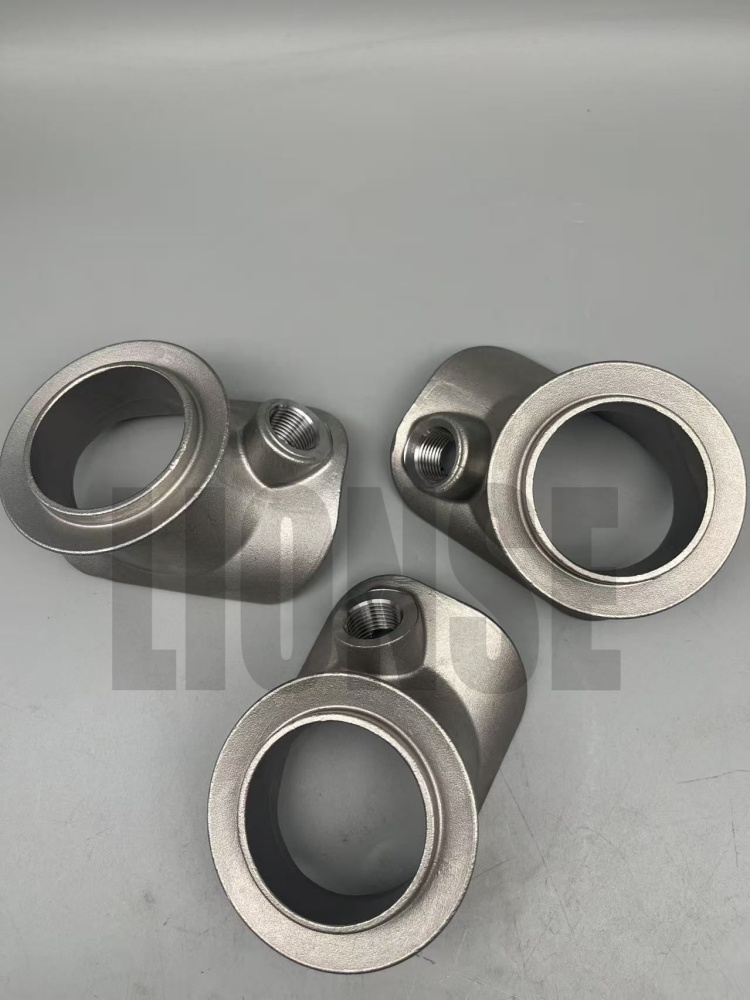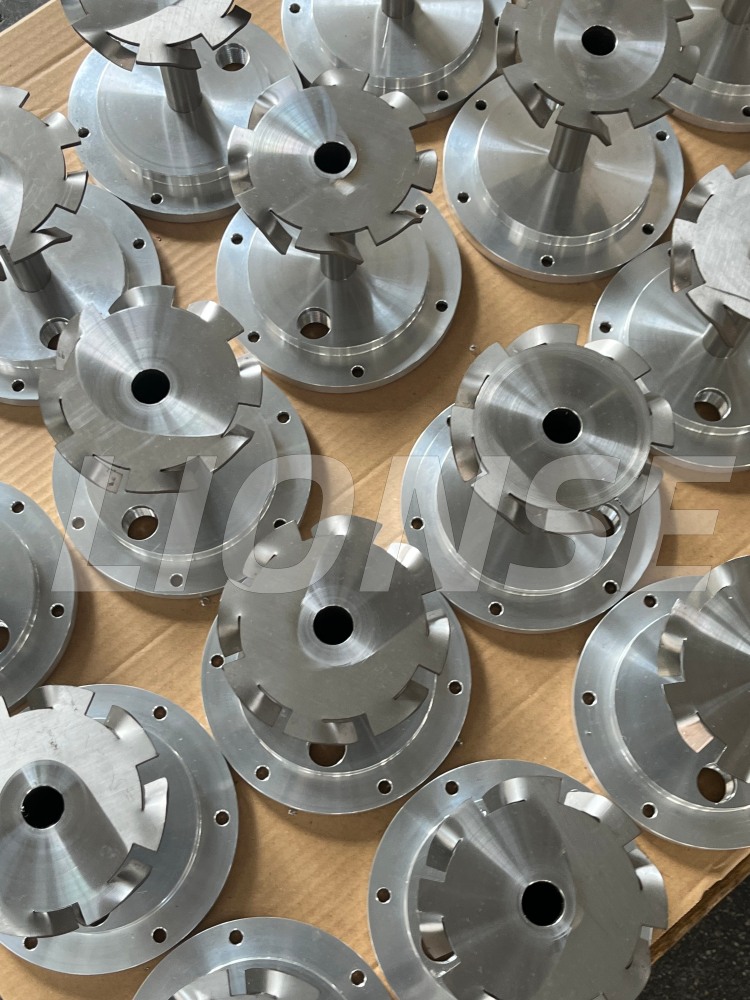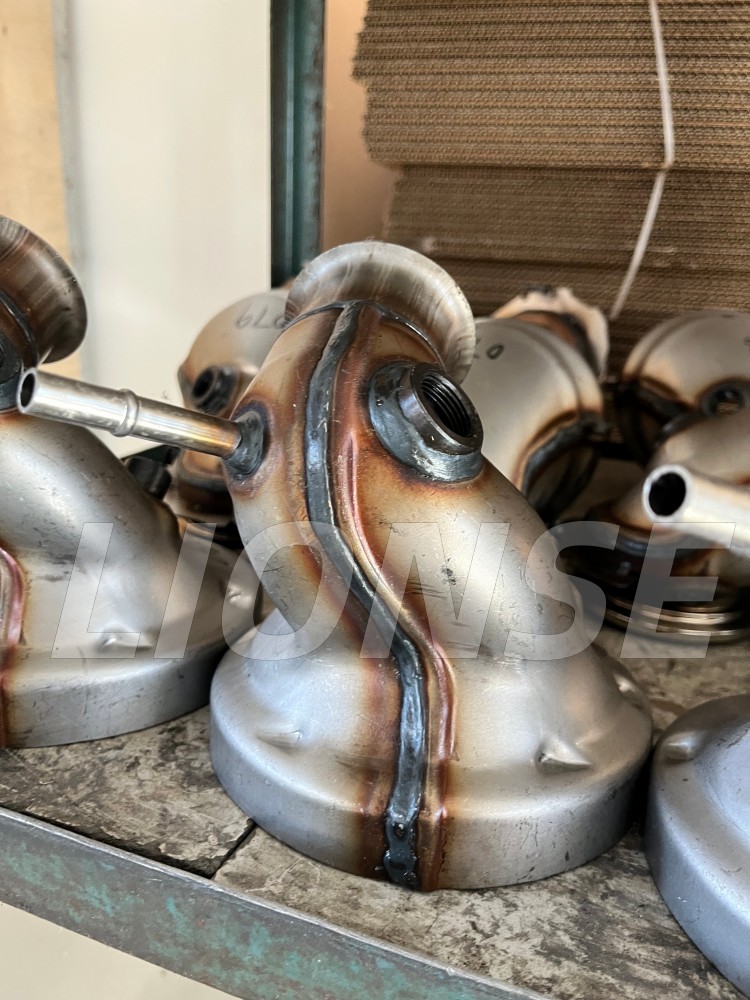

Investment casting makes it possible to produce intricate geometries that are difficult or expensive to manufacture using conventional machining. Features such as thin walls, internal cavities, curved surfaces, and complex contours can be formed in a single casting, reducing welding, assembly operations, and potential manufacturing errors while improving structural integrity.
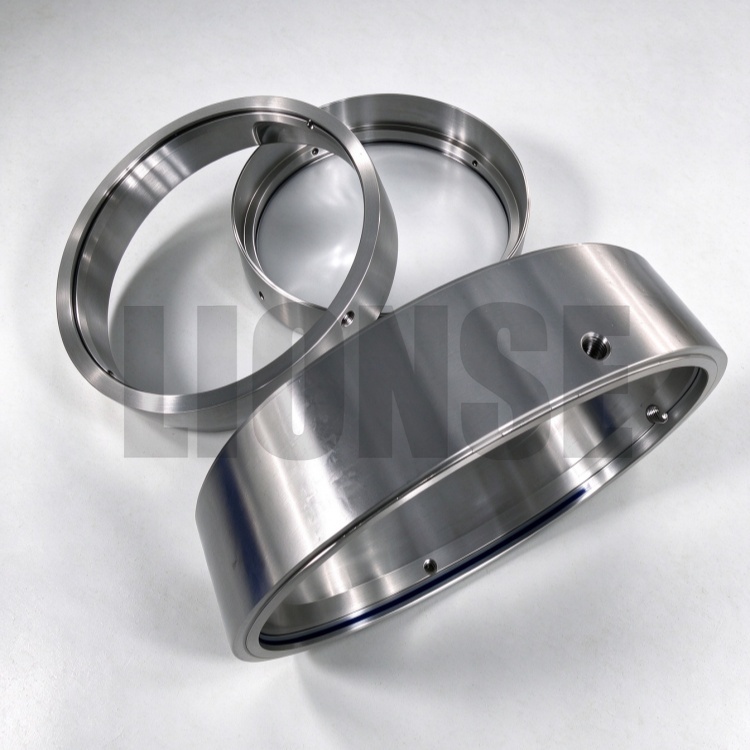
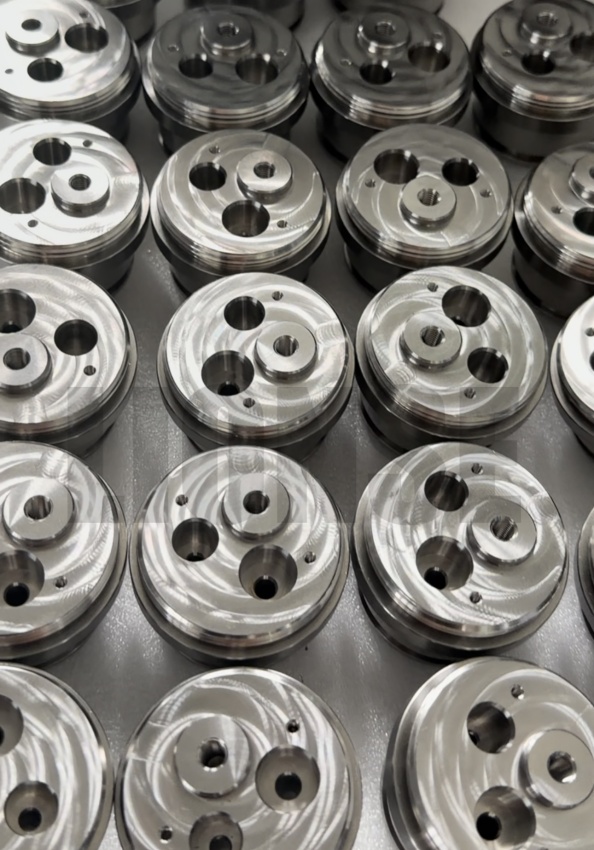
The investment casting process produces near-net-shape components with excellent dimensional consistency. Only critical features such as mounting surfaces, precision holes, and threaded areas typically require CNC machining, helping reduce machining time, material waste, and overall production costs.
Investment cast parts provide a smooth surface directly from the casting process. Depending on application requirements, additional finishing processes such as sandblasting, polishing, passivation, or electropolishing can be applied to enhance appearance, corrosion resistance, and product performance.
Unlike machining parts from solid bar stock, investment casting creates components much closer to their final shape. This significantly reduces material removal and improves stainless steel utilization, making it a cost-effective solution for medium- to high-volume production.
Investment casting supports a wide range of stainless steel materials, including 304, 316, 410, 420, and 17-4PH. Whether you need prototype development, low-volume production, or mass manufacturing, components can be customized according to your drawings, 3D models, or samples to meet specific OEM and ODM requirements.
For manufacturers seeking precision, complex geometries, and consistent product quality, stainless steel investment casting combined with CNC machining offers a reliable and cost-effective manufacturing solution. Its ability to produce durable, high-performance components makes it an ideal choice for a wide range of industrial applications.