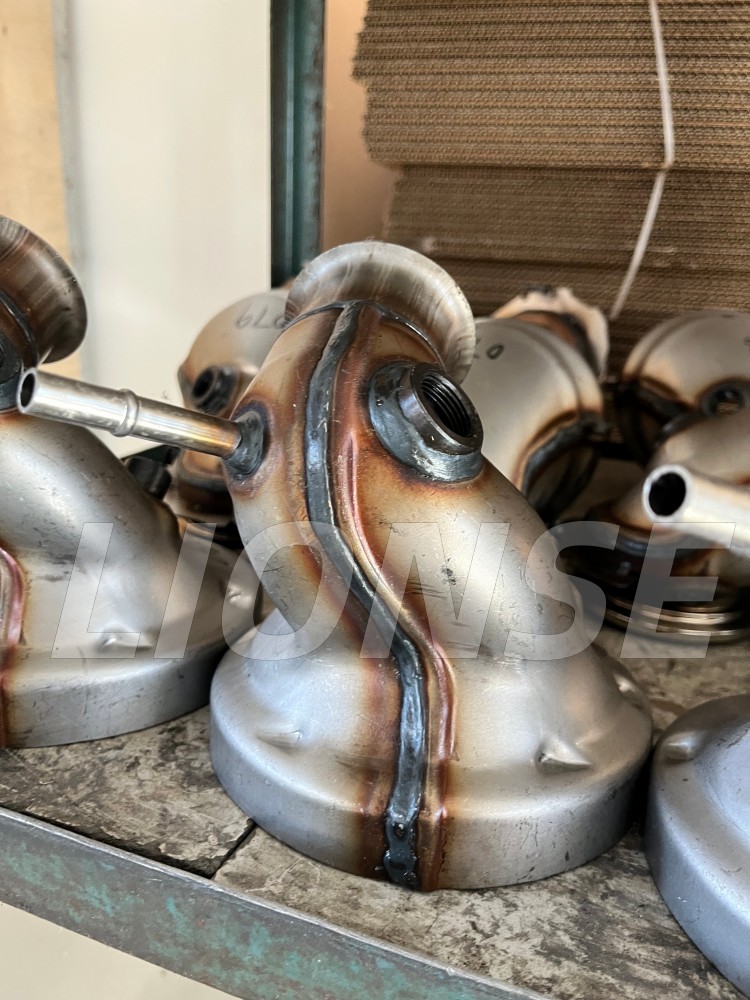

Welded components are assembled from multiple pieces, and each weld can become a potential stress concentration area. Under repeated loading or vibration, these joints may be more susceptible to fatigue cracks or deformation.
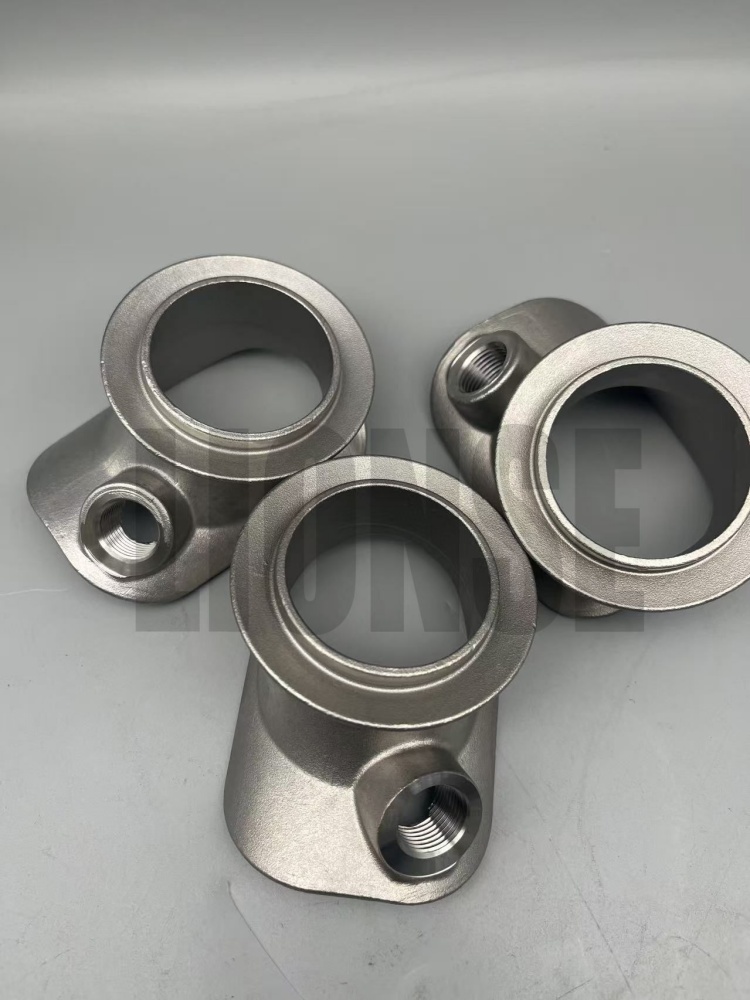
Investment casting produces complex components as a single, integrated piece, reducing or eliminating welded joints. This results in more uniform stress distribution and improved structural reliability.
The welding process may introduce heat distortion and residual stress, which can affect dimensional accuracy and require additional corrective operations.
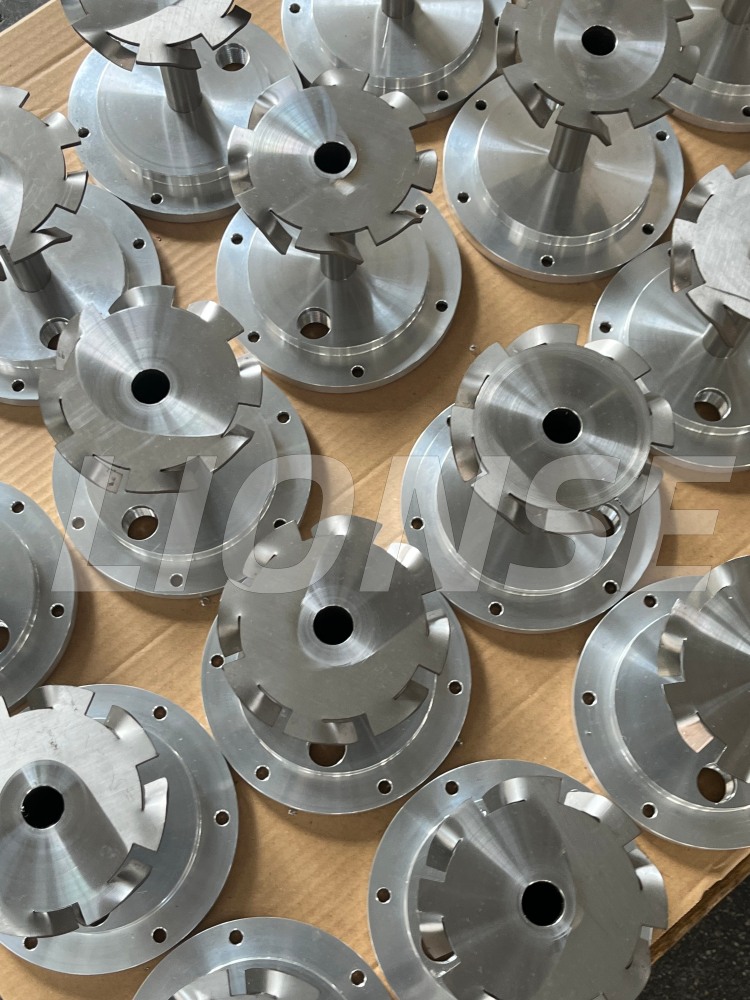
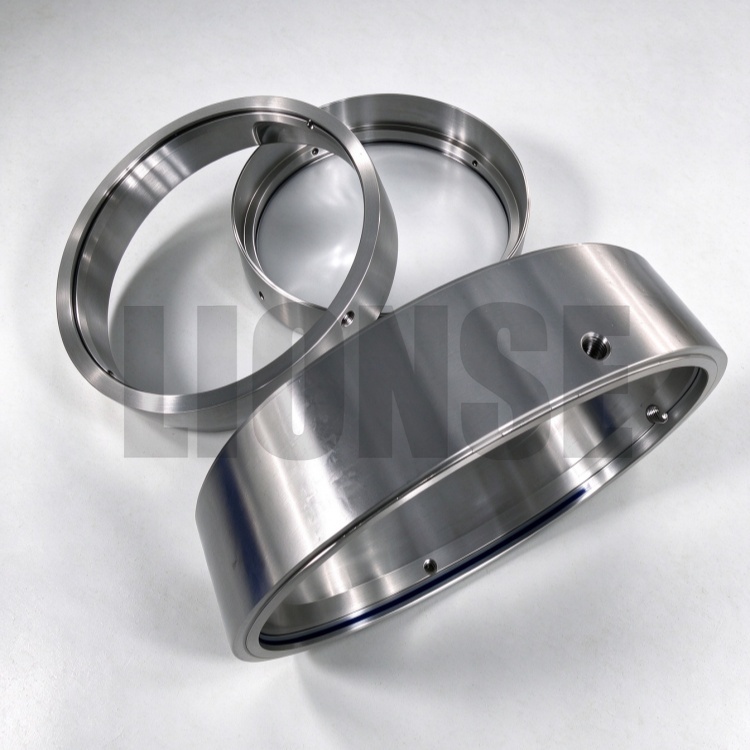
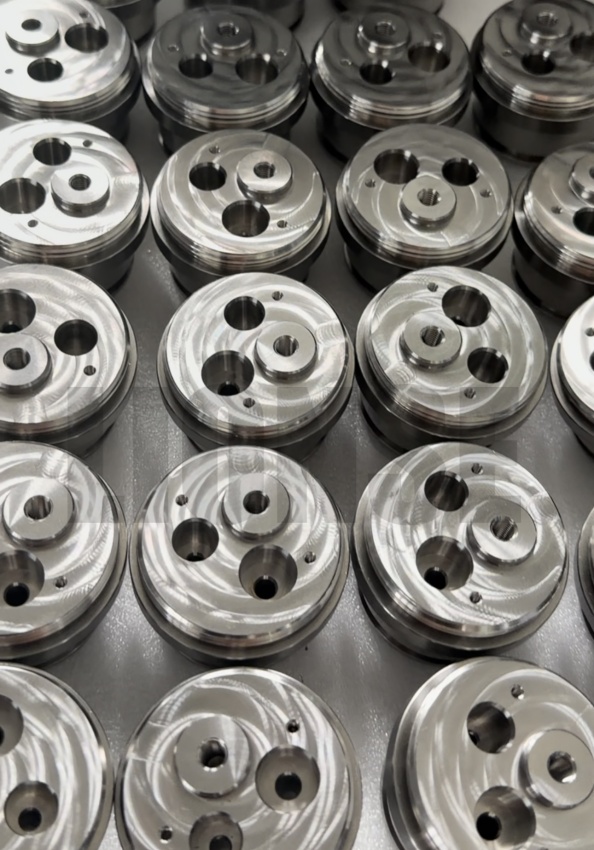
Investment casting forms the component close to its final shape from the beginning. When combined with CNC machining for critical features, it provides excellent dimensional consistency and precise fit for demanding applications.
Components with internal cavities, reinforcing ribs, curved surfaces, or other intricate features can be difficult and costly to manufacture through welding and assembly.
Investment casting allows these complex geometries to be produced in a single process, reducing assembly steps while improving overall part strength and manufacturing efficiency.
Because investment cast parts contain fewer welded joints, they generally provide more consistent fatigue performance under cyclic loading. This makes them well suited for industries such as mining, industrial machinery, automotive, and heavy equipment.
For stainless steel components, additional surface treatments such as passivation or polishing can further enhance corrosion resistance, allowing the parts to perform reliably in harsh operating environments.
Both welding and investment casting have their advantages, and the most suitable process depends on the application. However, for components requiring complex geometries, high dimensional accuracy, and long-term durability, investment casting combined with CNC machining is often the preferred manufacturing solution. It offers improved structural reliability, lower maintenance costs, and consistent quality, making it an excellent choice for a wide range of OEM applications.