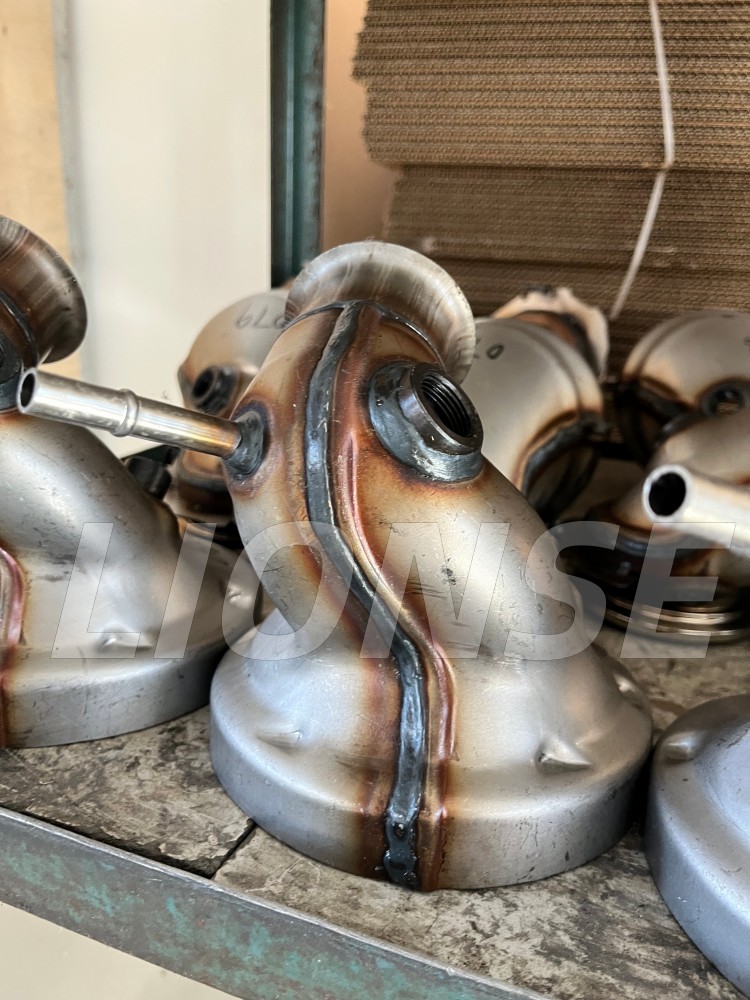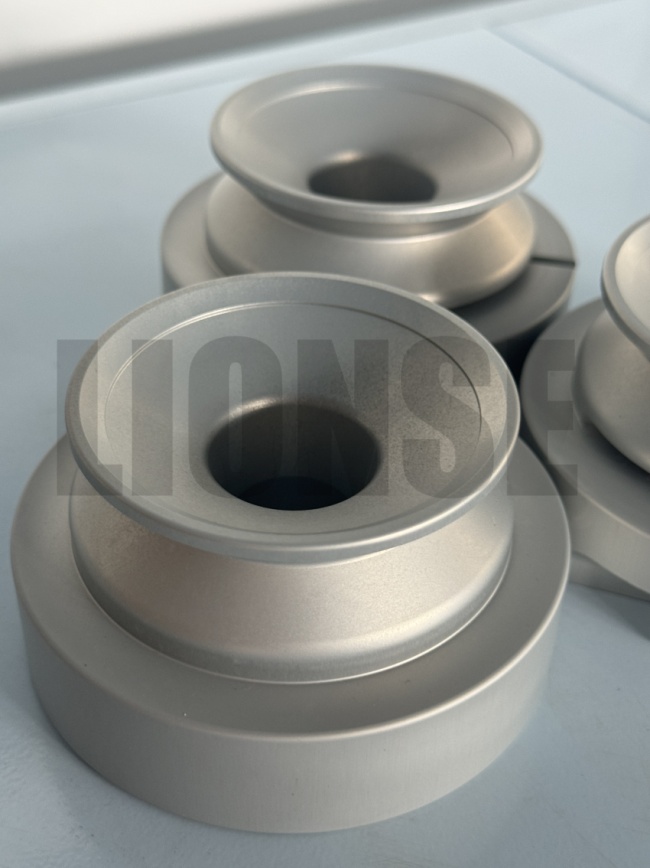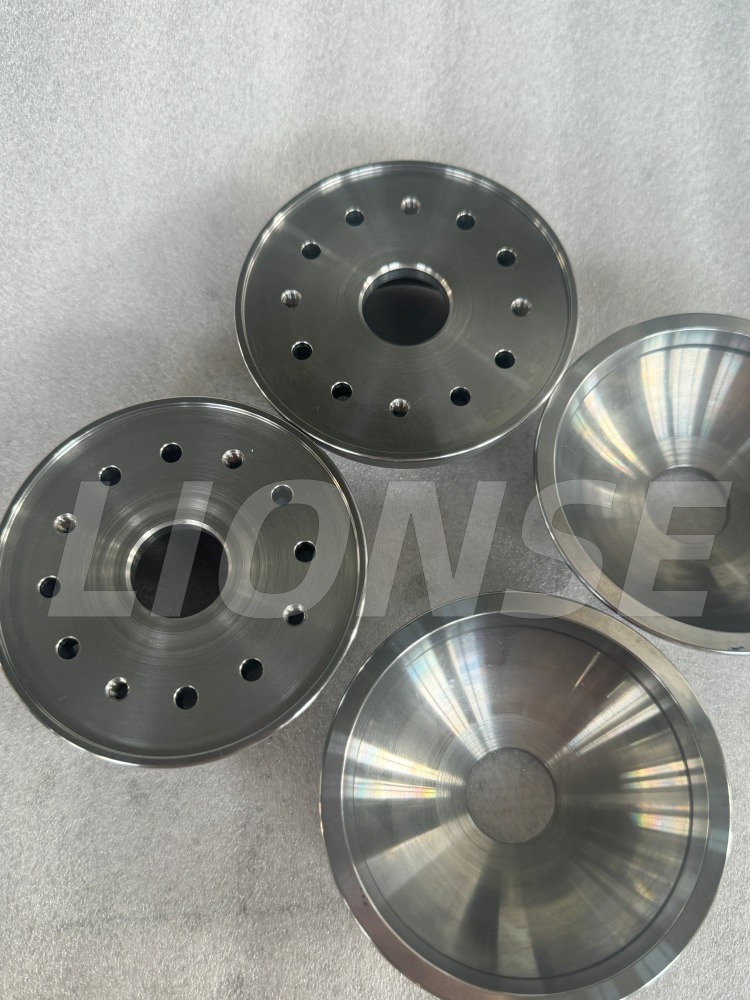

Now let’s analysis why do some people choose stainless steel rather than titanium alloy for the outer shell of the sealed cabin used in deep-sea exploration:
1.Cost factors
The cost of stainless steel is lower: The batch production cost of stainless steel is only 1/4 to 1/5 of that of titanium alloy. For projects requiring large-scale production or with limited budgets, stainless steel is a more economical choice.
The cost of titanium alloy is higher: The initial cost of titanium alloy is relatively high, approximately 5 to 10 times that of steel. Although its full life cycle cost may be reduced due to its corrosion resistance, the initial investment is large.
2.Processing difficulty
The processing of stainless steel is relatively easy: Stainless steel has good plasticity and toughness, and is easy to be shaped and processed. Most stainless steel's welding performance can meet engineering requirements.
The processing of titanium alloy has a high threshold: The processing of titanium alloy requires strict equipment precision and process control. Core processes such as inert gas protection and hot isostatic pressing (HIP) treatment are needed to control deformation and oxidation problems, making the processing difficult.

3.High-temperature performance
Stainless steel has better high-temperature resistance: Stainless steel can withstand temperatures up to 800℃, suitable for deep-sea exploration scenarios that require high temperatures.
The high-temperature performance of titanium alloy is limited: Although titanium alloy can work for a long time at 300-500℃, its performance may decline at higher temperatures, and its cost is higher.
4. Electrical conductivity
Stainless steel has stable electrical conductivity: The electrical conductivity of stainless steel is more stable, making it suitable for deep-sea exploration equipment that requires electrical connections.
Titanium alloy's electrical conductivity is not its main advantage: Although titanium alloy also has some electrical conductivity, it is not its main advantage. Moreover, in some scenarios, it may not be as suitable as stainless steel.
5.Application compatibility
Stainless steel is suitable for daily durable products and low-cost mass production needs: such as kitchen equipment, outdoor monitoring casings, etc. These scenarios have relatively lower requirements for material corrosion resistance and place more emphasis on cost and market acceptance.
Titanium alloy is suitable for extreme environments and high-strength demands: such as marine equipment, chemical pipeline accessories, etc. In seawater and highly acidic environments, its service life is more than five times that of stainless steel. However, not all scenarios in deep-sea exploration require the extreme performance of titanium alloy.
6.Balanced comprehensive performance in specific environments
Stainless steel performs well in specific deep-sea environments: For certain deep-sea exploration tasks, such as shallow sea projects or environments with relatively lower corrosion, stainless steel may already be sufficient to meet the requirements and is cheaper and easier to process.
Titanium alloy has advantages in extreme deep-sea environments: Such as the shells of deep-sea exploration instruments need to withstand extremely high pressure. Titanium alloy is an ideal choice due to its high strength, low density, and strong corrosion resistance. However, this does not mean that all deep-sea exploration tasks require titanium alloy.