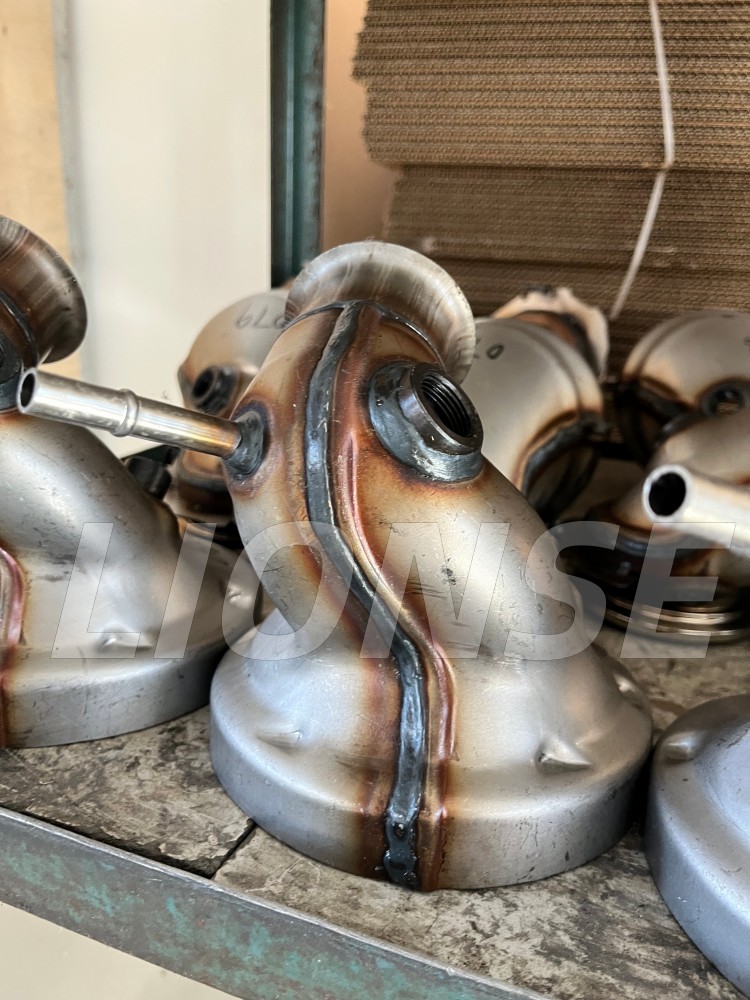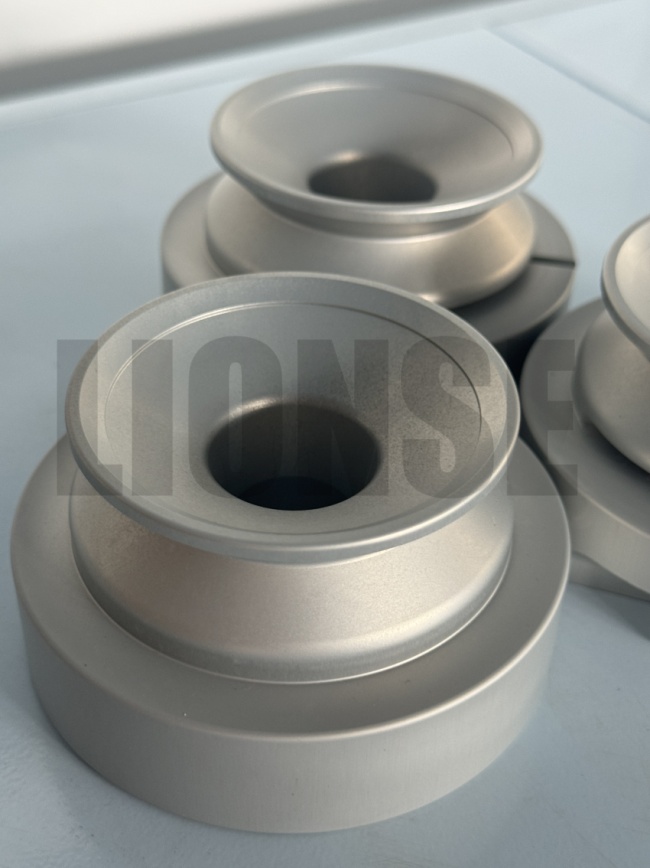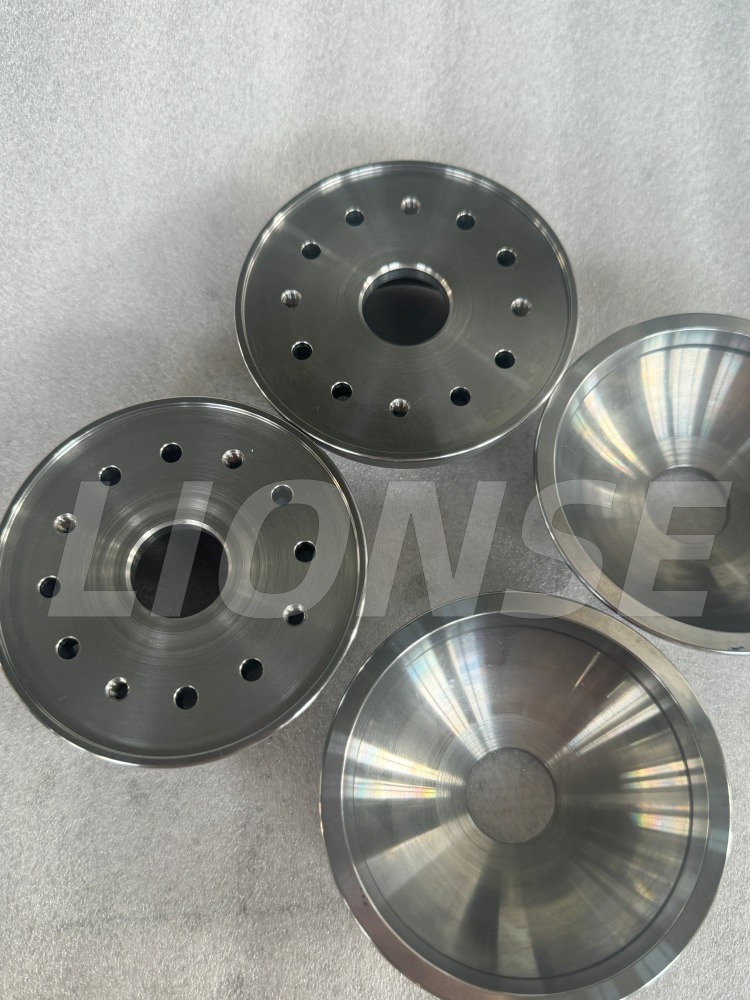

Due to its attractive features, stainless steel has become one of the most preferred manufacturing alloys for many CNC machining tasks, where durability and consistency are crucial. It is an excellent choice for industrial and commercial applications, such as hospital equipment, mechanical automotive parts, aerospace devices, etc. Through the application of CNC machining through various methods, these alloys can be made into almost anything, including cables, spools, pipes, sheets, thick plates and panels.Now let's analyze its advantages.
1.High precision and high repeatability
CNC (Computer Numerical Control) technology controls the processing path through programs, enabling micrometer-level accuracy. It is particularly suitable for manufacturing parts with complex geometries. For instance, 304 stainless steel, due to its good ductility, can be processed into precise medical devices or aerospace components using CNC, and the dimensional consistency of products from the same batch is extremely high.
Material performance optimization
2. Corrosion resistance: 316 stainless steel contains molybdenum, which has significantly better corrosion resistance in seawater or chemical media than 304 stainless steel. It is suitable for marine engineering or chemical equipment manufacturing.
Strength and hardness: Martensitic stainless steels such as 410 and 416 can achieve high hardness and strength through heat treatment, suitable for scenarios requiring wear resistance, such as cutting tools and bearings.
3. Processing flexibility
CNC can perform multi-axis coordinated processing, easily achieving features that traditional processes find difficult to achieve, such as deep holes, threads, and irregular curved surfaces. For example, 201 stainless steel, due to its low cost, is often used for CNC processing of decorative parts or non-critical structural components.

4. Increase in production efficiency
Adaptability to small batches and multiple varieties: Modifying the program allows for quick switching of product models without the need for re-designing fixtures, shortening the new product development cycle.
Automated processing: CNC machines can operate continuously 24 hours a day, reducing human intervention and being suitable for large-scale production.
5.Controllable surface quality
By optimizing cutting parameters and cooling methods, processing hardening and surface roughness can be reduced. For example, the surface finish of 304 stainless steel after processing can reach Ra0.8μm, meeting food-grade or optical requirements.
CNC processing of stainless steel has significant advantages in terms of precision, performance and flexibility. However, it faces challenges such as material processing difficulty, cost and process complexity. By selecting the right materials, optimizing the process and post-processing, the value can be maximized, especially suitable for high-end manufacturing fields (such as healthcare, aviation, and chemical industry). For scenarios with cost sensitivity or low corrosion resistance requirements, alternative materials (such as aluminum alloy or plastic) can be considered to reduce costs. If you are still unsure, let us help you choose the optimal solution.