
Did you know that cast titanium is so unstable that it is immune to both seawater and chemical corrosion? The properties of titanium that prevent chemical corrosion, however, are the very properties that work to confound common casting techniques.
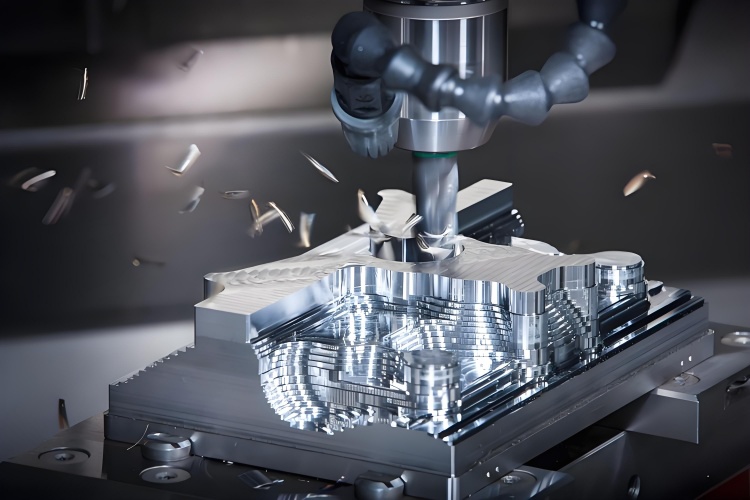
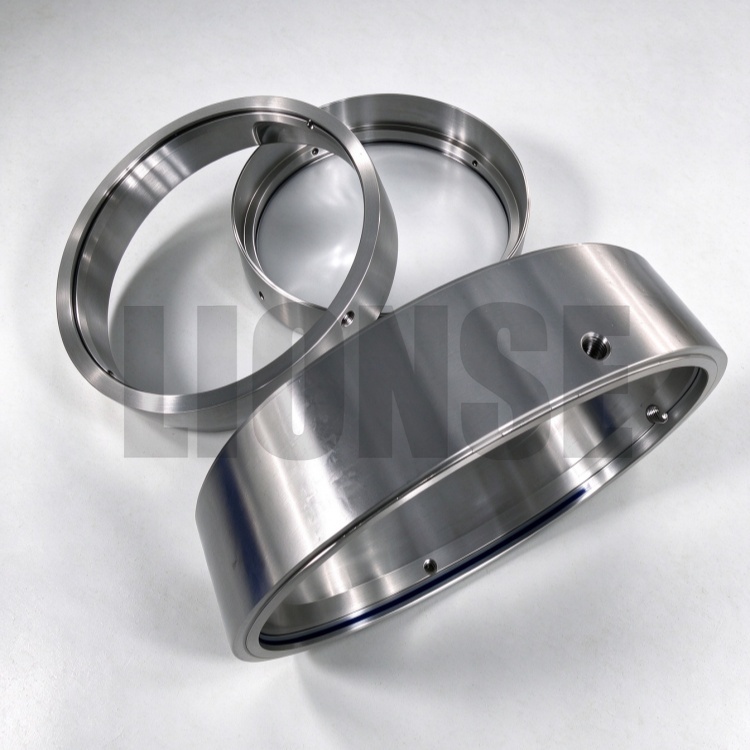
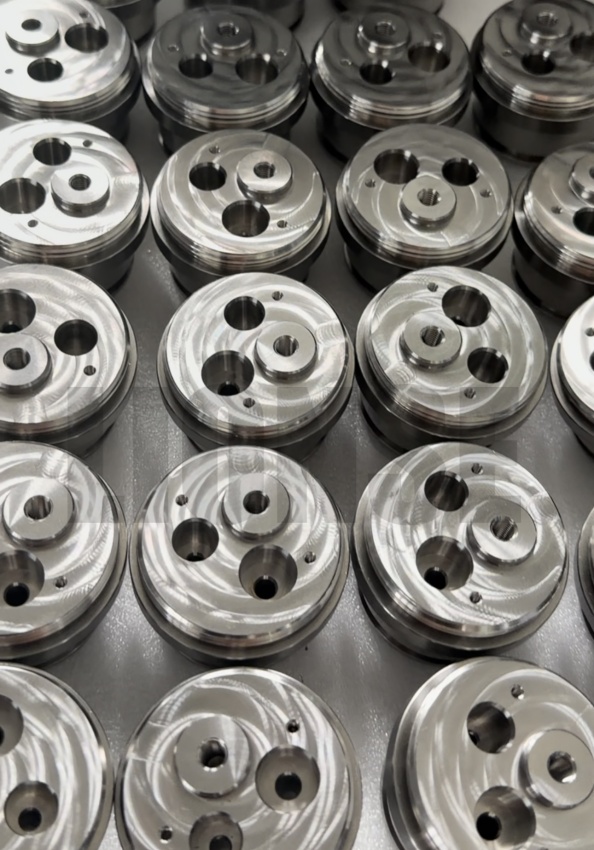
CNC & precision machining vary in control, efficiency, flexibility, applications, and costs. The choice depends on specific needs, part complexity, and accuracy requirements.

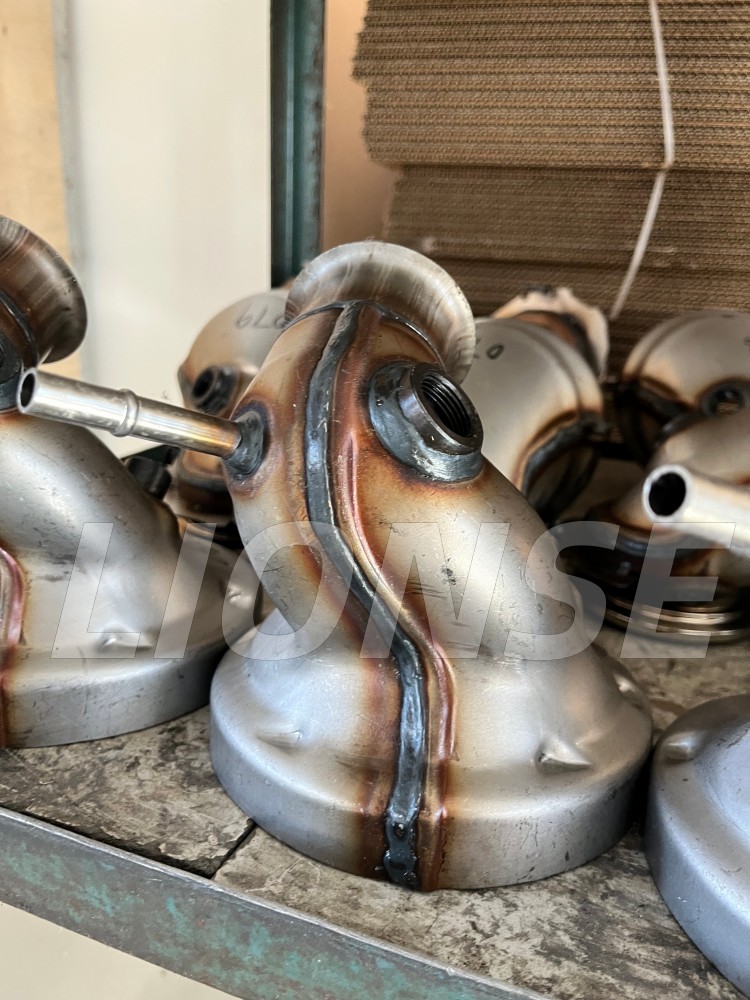
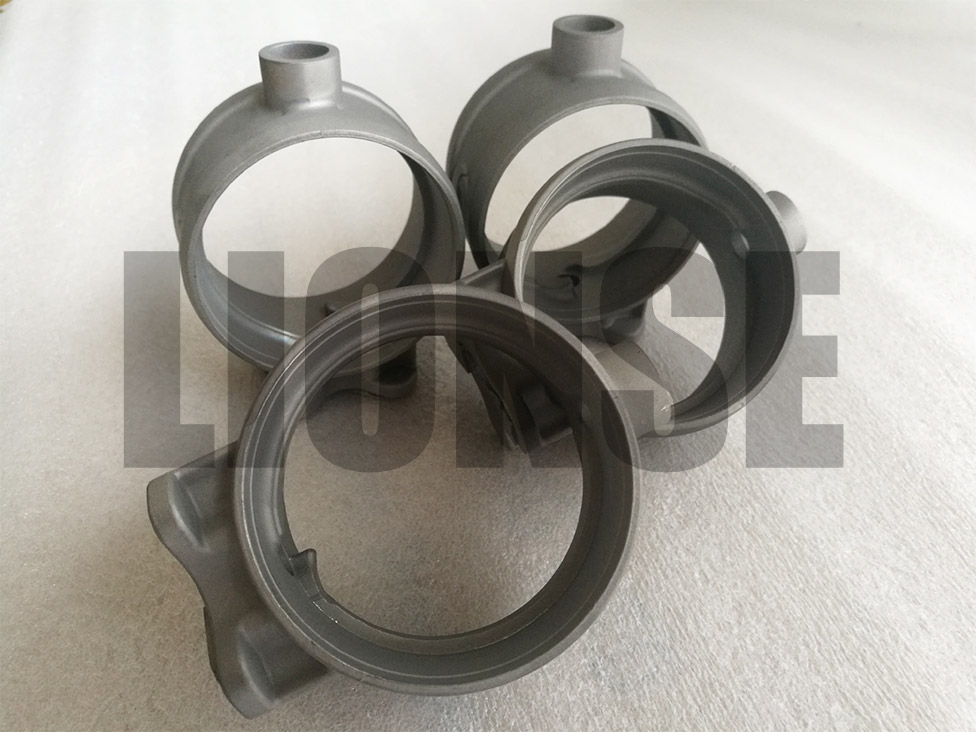
Cast parts offer more precise dimensions than forgings & welded parts. They can be produced as single pieces, reducing assembly needs. Tools can be tailored for quantity. Parts can be cast from 1 to 100 units. This method provides flexibility and precision in manufacturing, making it suitable for various production requirements.
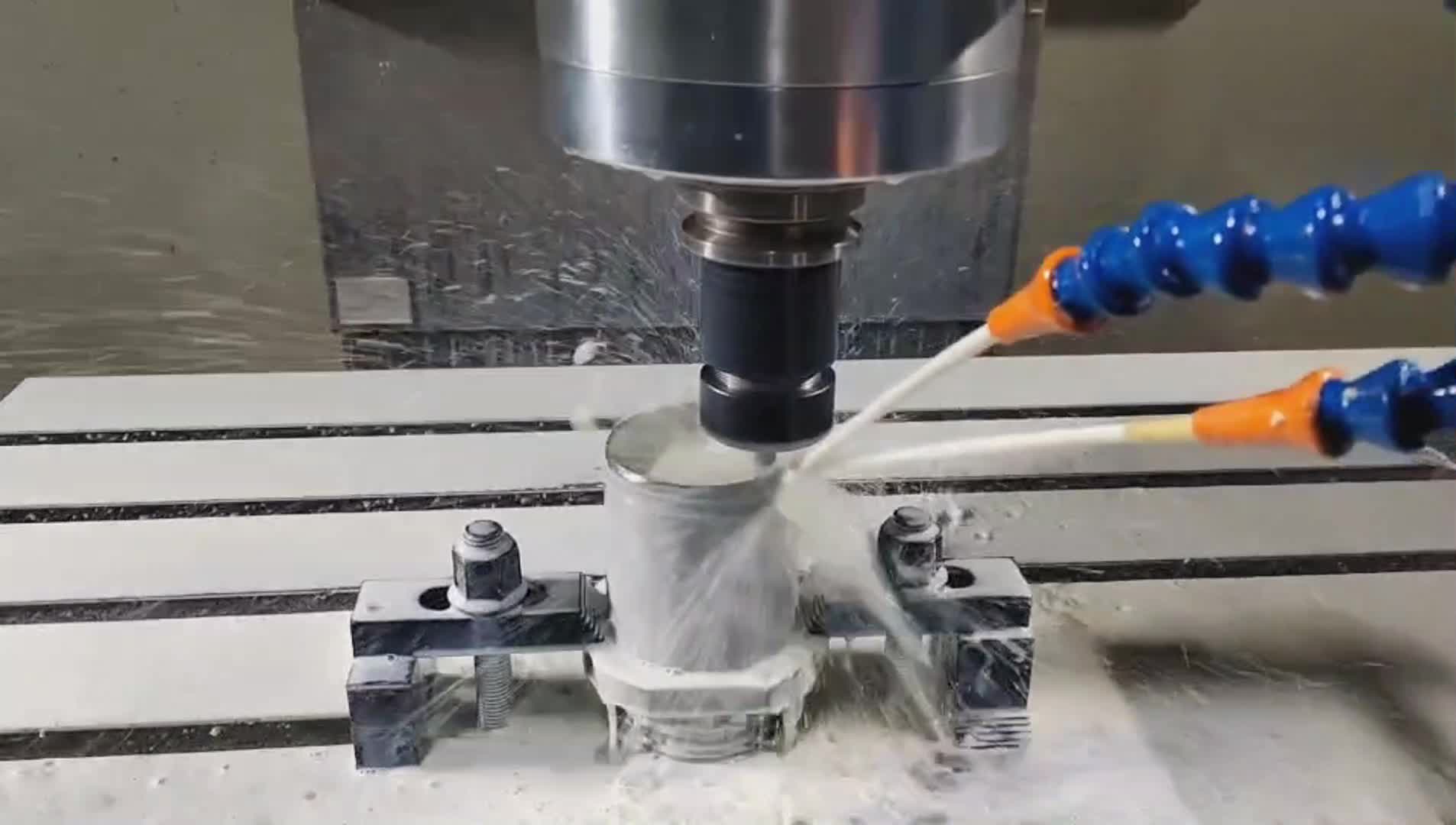
Because the elastic modulus of titanium alloy is small, the workpiece clamping deformation and force deformation in machining are large, which will reduce the machining accuracy of the workpiece. When the workpiece is installed, the clamping force should not be too large, and the auxiliary support can be added if necessary.