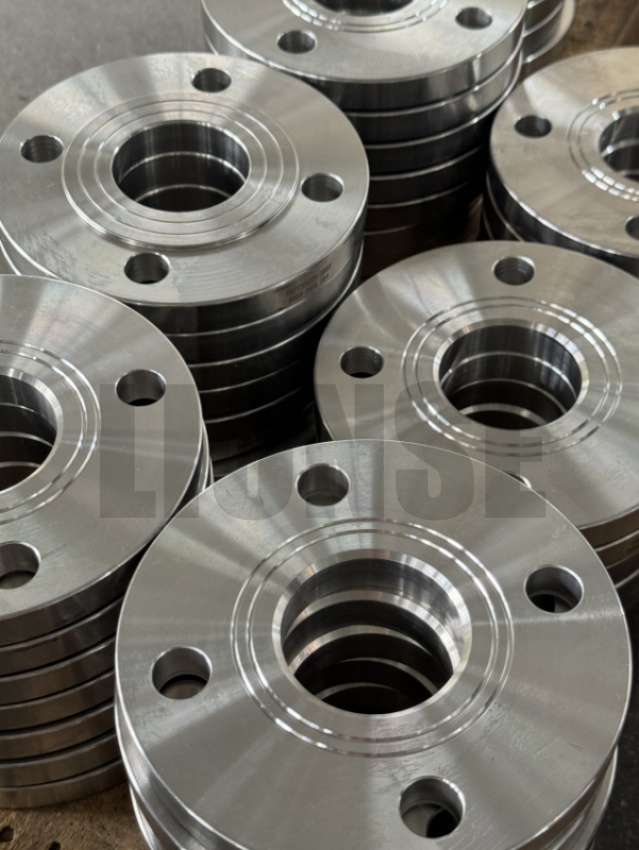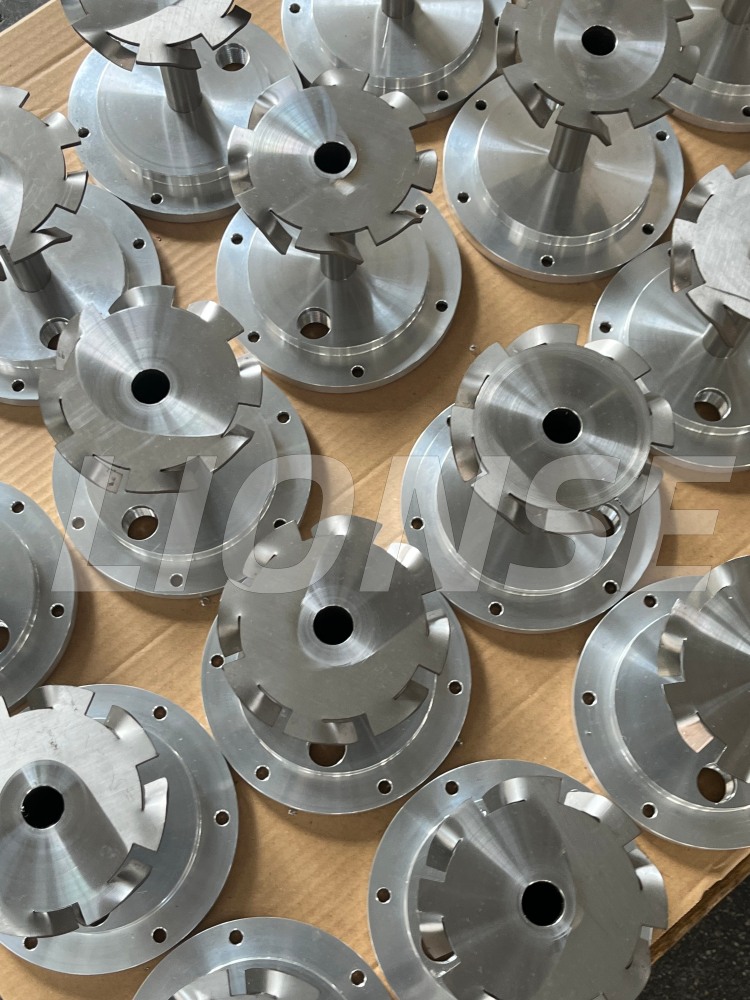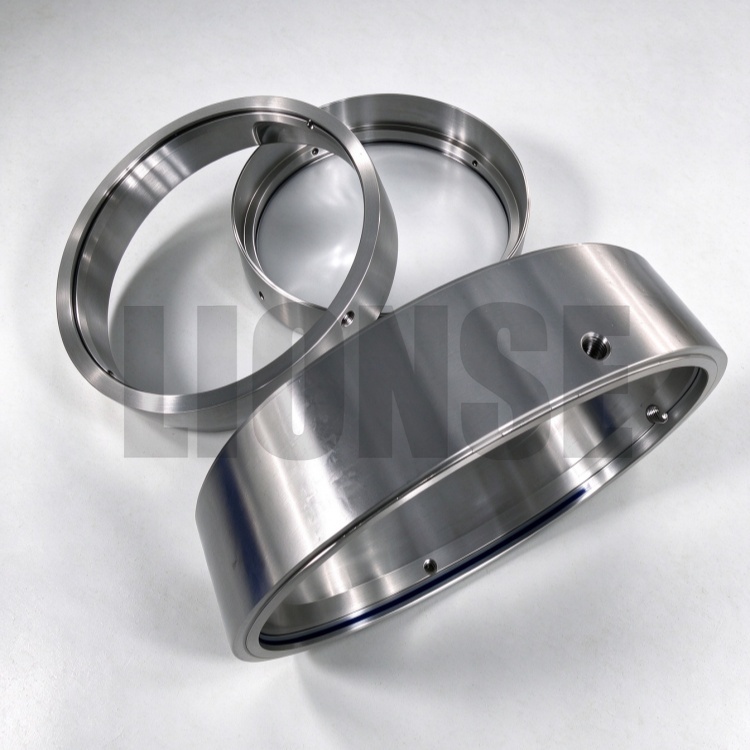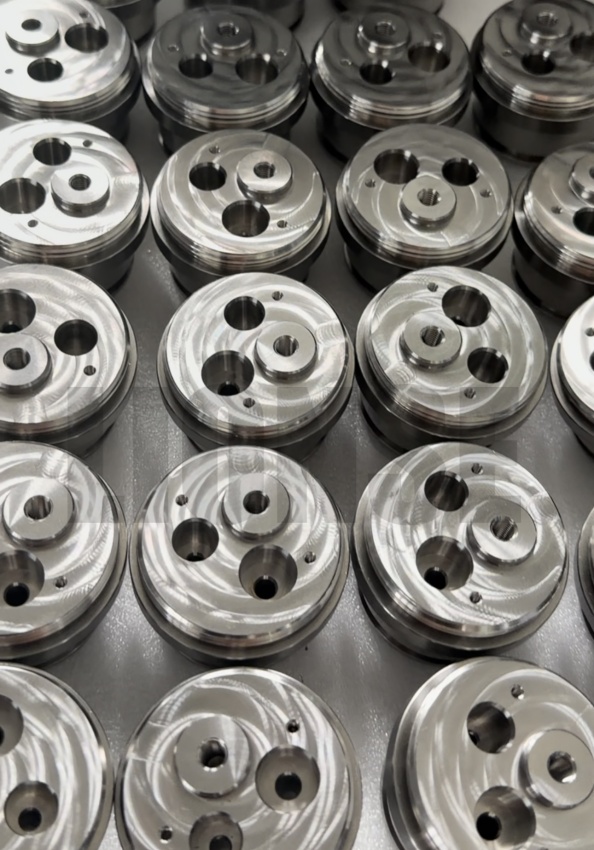

First off, you need to get clear on the bracket’s size, shape, and where the holes go—their size and how far apart they are. Also, think carefully about the material’s properties to avoid it warping or breaking later.
When picking materials, common ones are aluminum alloy and stainless steel. When choosing, check the surface flatness really carefully—no cracks or air holes allowed, otherwise the whole thing might get scrapped during processing.
Let’s talk about the making process:
Use a laser or water jet cutter, follow the design drawing, and control things like laser power and cutting speed to make sure the cut edges are good.
Drilling works for big holes and regular precision. Punching is fast but small holes tend to have little rough edges. Laser drilling is super precise and makes nice holes. While drilling, use tools to check the hole size and position right away.
Use a 3D measuring machine to check all the sizes, shapes, and positions. Also, look at the surface by eye. Only if it’s all good can you hand it over.