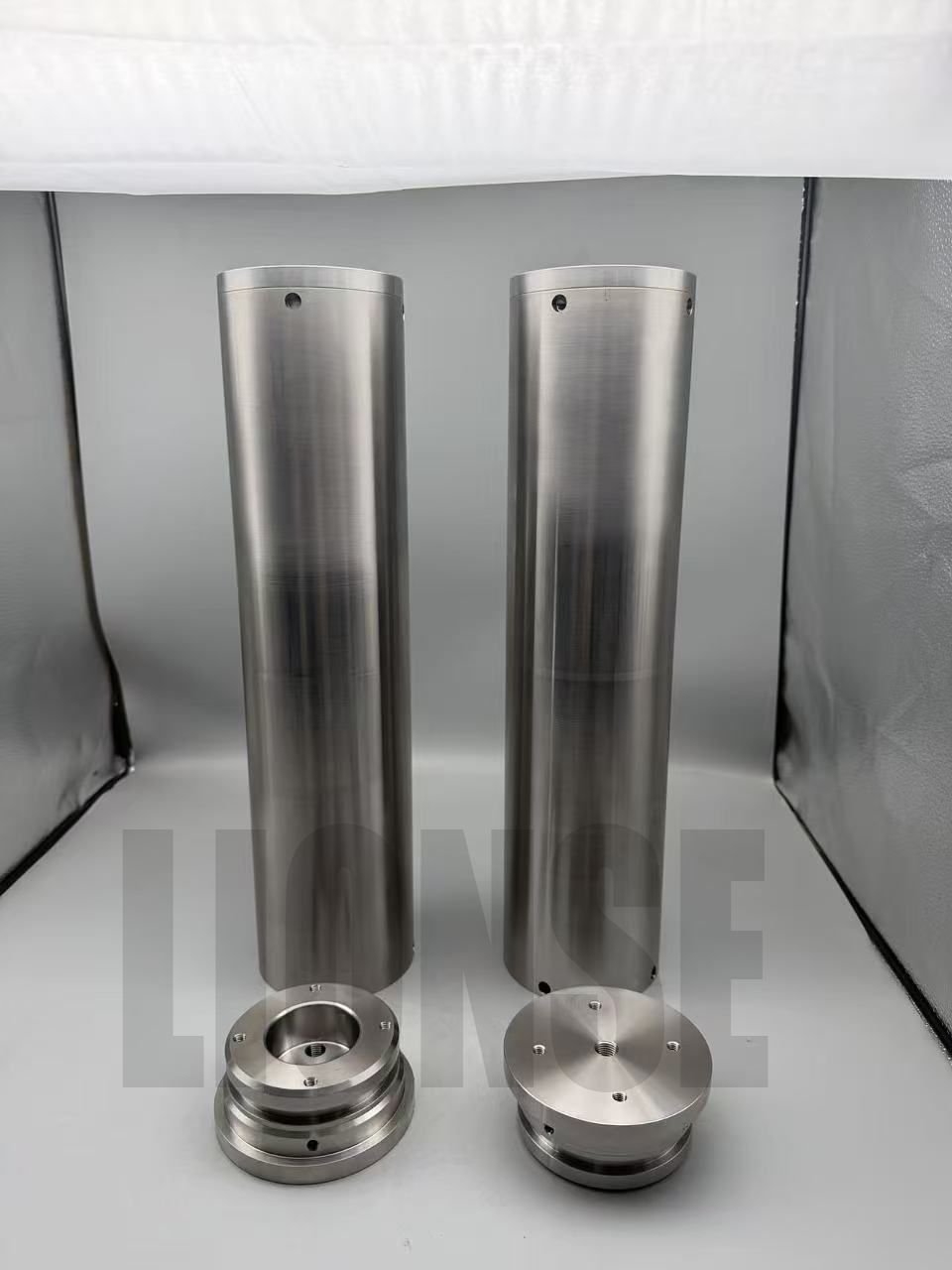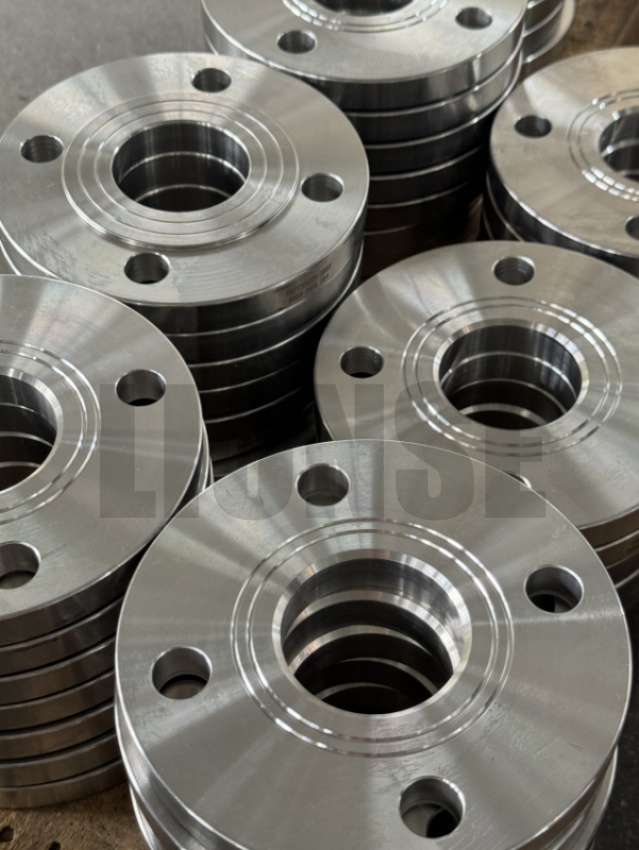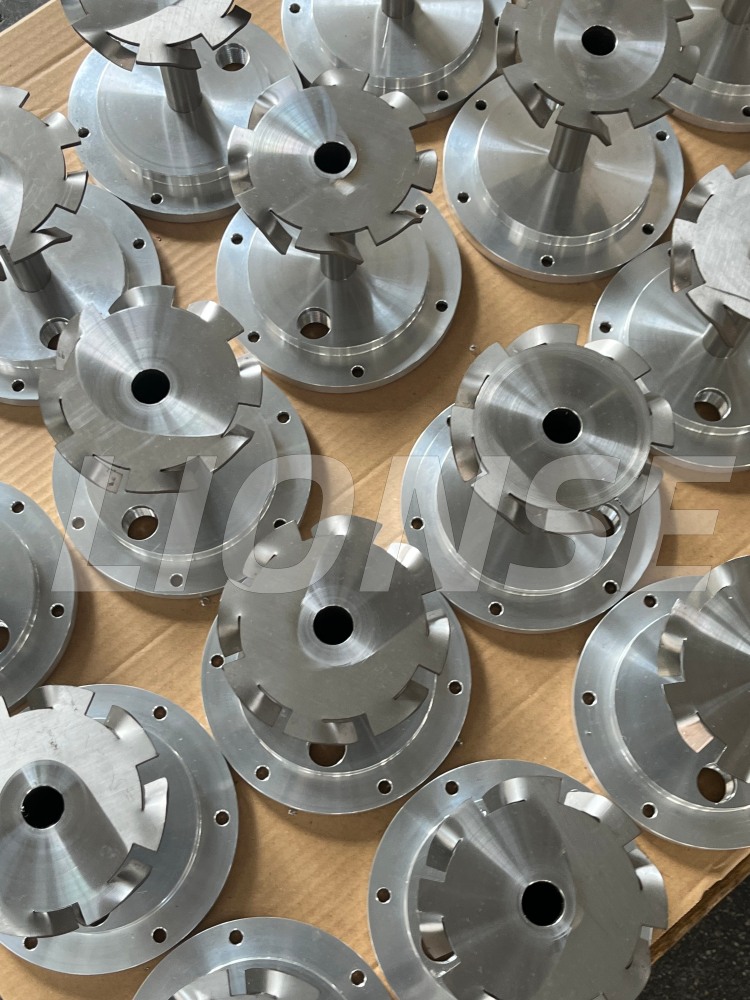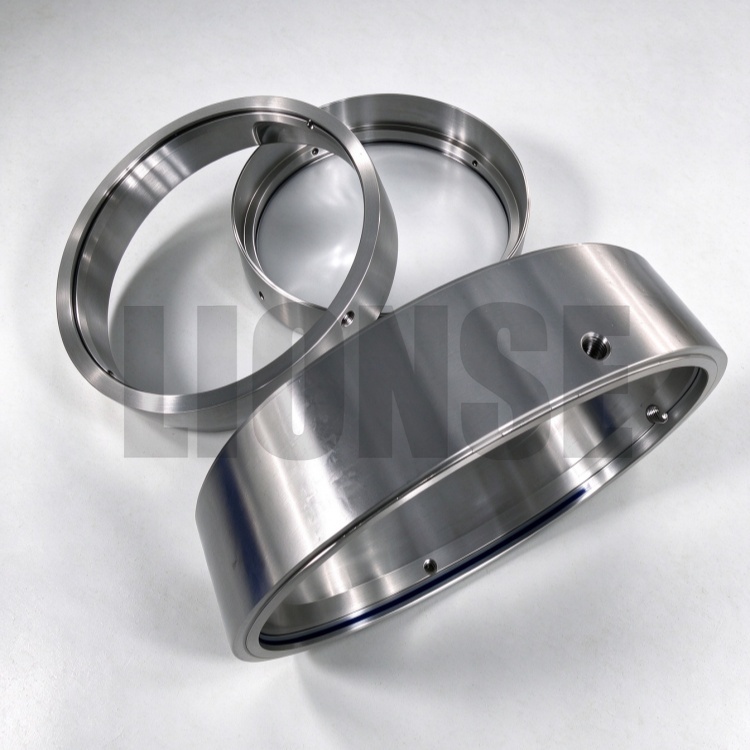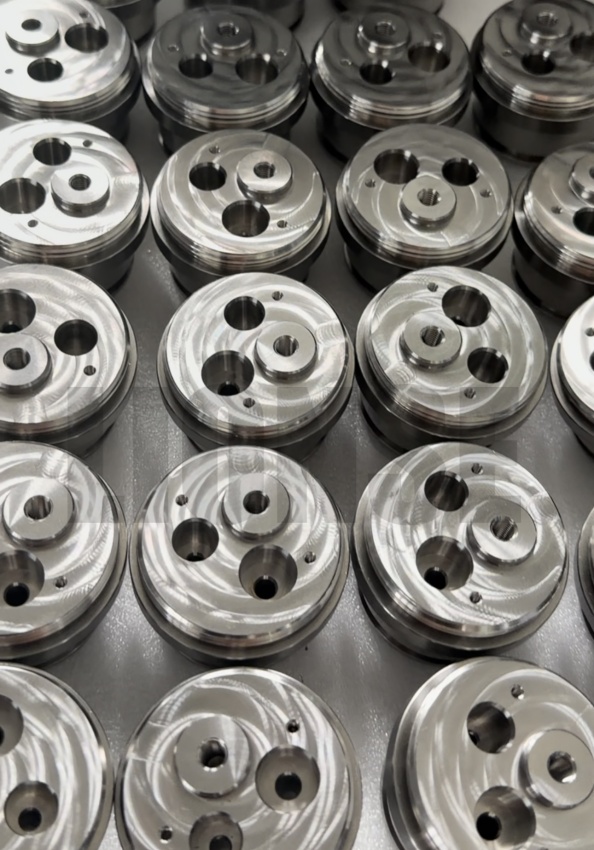

Titanium alloy is an ideal material for manufacturing sealed cabins. Physically, it has high strength and good toughness, can withstand large internal and external pressure differences, is not prone to deformation or cracking; it has a low density, which can reduce the weight of the sealed cabin while ensuring structural strength, which is of great significance in fields such as aerospace; it has a small coefficient of thermal expansion, which can reduce the stress caused by temperature changes and maintain the sealing state. Chemically, titanium alloy has strong corrosion resistance and can maintain stable performance in harsh environments such as strong acids, strong alkalis, high salt fog, as well as in marine and chemical industries, avoiding sealing failure due to corrosion.
The titanium alloy sealed cabin structure is meticulously optimized in design. Common static and dynamic sealing forms are adopted. The former relies on high-precision processing, suitable gaskets and pre-tightening force, while the latter uses mechanical or magnetic fluid sealing and other technologies to ensure the sealing of relative motion of components. At the same time, the overall component fit accuracy is emphasized. The connection parts of the cabin adopt advanced sealing forms such as double-seal and self-tightening, and the interfaces are standardized. The sealing design adopts concepts such as radial and multi-stage sealing to enhance reliability. The sealing parts are selected based on the working conditions, with special materials used for high-temperature and high-pressure environments, and easy-to-disassemble structures chosen for easily disassembled parts. During the design stage, multiple sealing designs are set up with multiple lines of defense, and finite element analysis technology is used to simulate force and deformation to compensate in advance and prevent failure. In addition, the sealing of flange connections relies on precise processing and pre-tightening force to control the parameters of the sealing surface; for welding sealing, the performance of titanium alloy and advanced processes are utilized, and the stress distribution is considered to prevent damage.
The titanium alloy sealed cabin has reliable sealing performance, which is attributed to multiple safeguards. During manufacturing, high-quality raw materials are selected, and advanced equipment such as high-precision CNC machines are used for processing. Special treatments are applied to the sealing surfaces, and advanced welding techniques like TIG welding are employed with strict parameter control. A quality control system is implemented. After production, the cabin undergoes air and liquid tightness tests, as well as simulations of actual working conditions such as high temperature and high pressure. High-precision equipment like helium mass spectrometry leak detectors are used for inspection to ensure no leakage and compliance with performance standards. From material selection to design, manufacturing, and testing, all links are closely coordinated, enabling its wide application in deep-sea exploration, aerospace, and other fields, and ensuring the smooth progress of tasks.