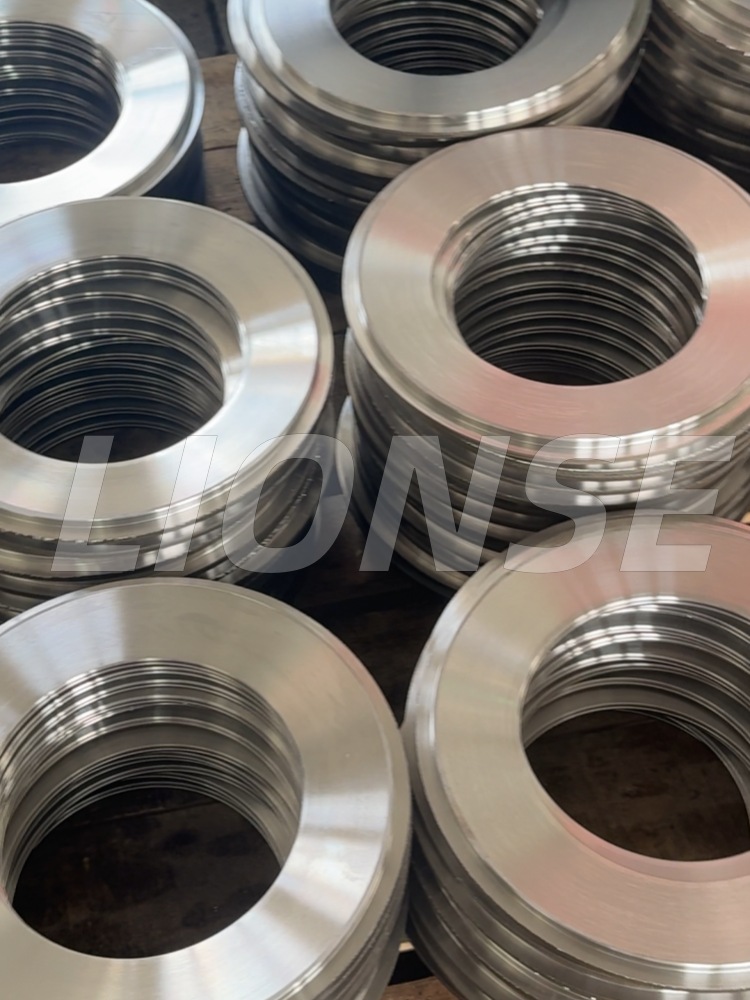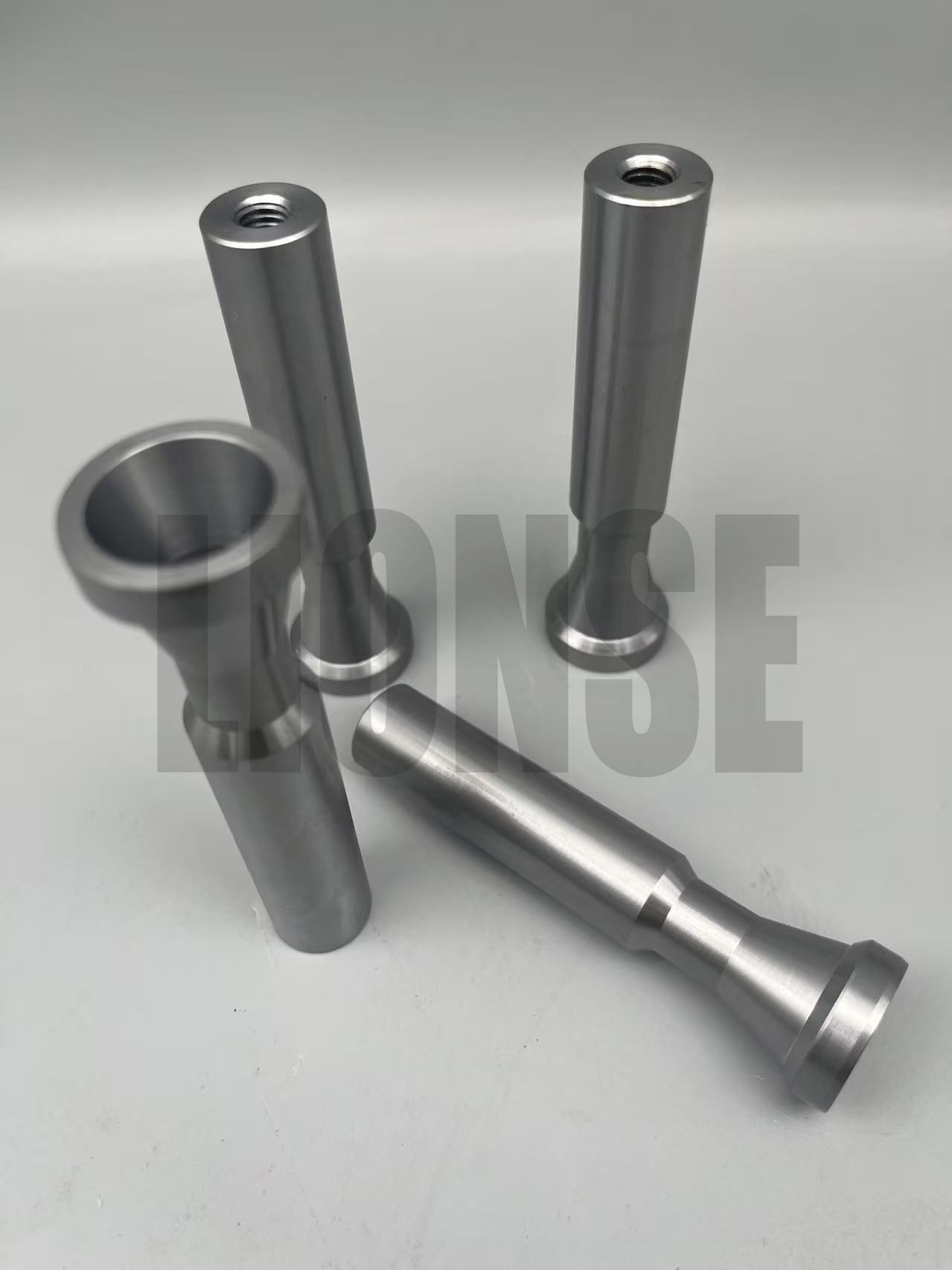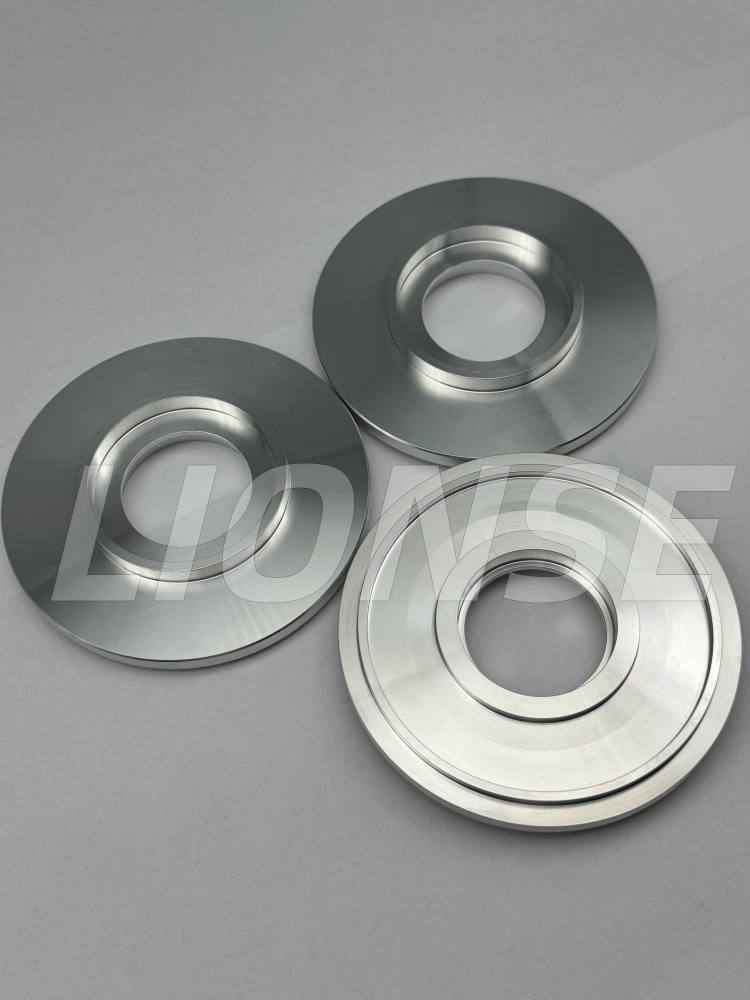

Solid stainless steel flat gaskets are widely used in flanges of petrochemical, pipeline and pressure vessel systems, and can ensure stable sealing performance in high-pressure and high-temperature environments. We offer customization for sizes and provide multiple material options, including stainless steel, carbon steel, titanium alloy and nickel-based alloys. However, the most widely used and cost-effective material is still stainless steel. So, what are the difficulties in the actual processing of stainless steel flat gaskets?
Austenitic 304/316L stainless steel tends to work harden during cutting. Hardened layer accelerates tool wear and may trigger surface cracks. Improper cutting parameters worsen the issue.
As a sealing component, the flatness and parallelism of the solid stainless steel flat gasket directly determine the sealing effect. Even minor warping or unevenness can cause leakage during use. Due to the thin thickness of most gaskets (usually 1-5mm), they are prone to deformation under clamping force and cutting heat during CNC machining. It is difficult to maintain consistent flatness across the entire surface, especially for large-diameter gaskets (diameter ≥100mm), which are more susceptible to warping due to uneven stress distribution. Achieving a flatness tolerance within 0.05mm (a common requirement for industrial sealing) requires precise control of clamping methods, cutting paths, and cooling systems.
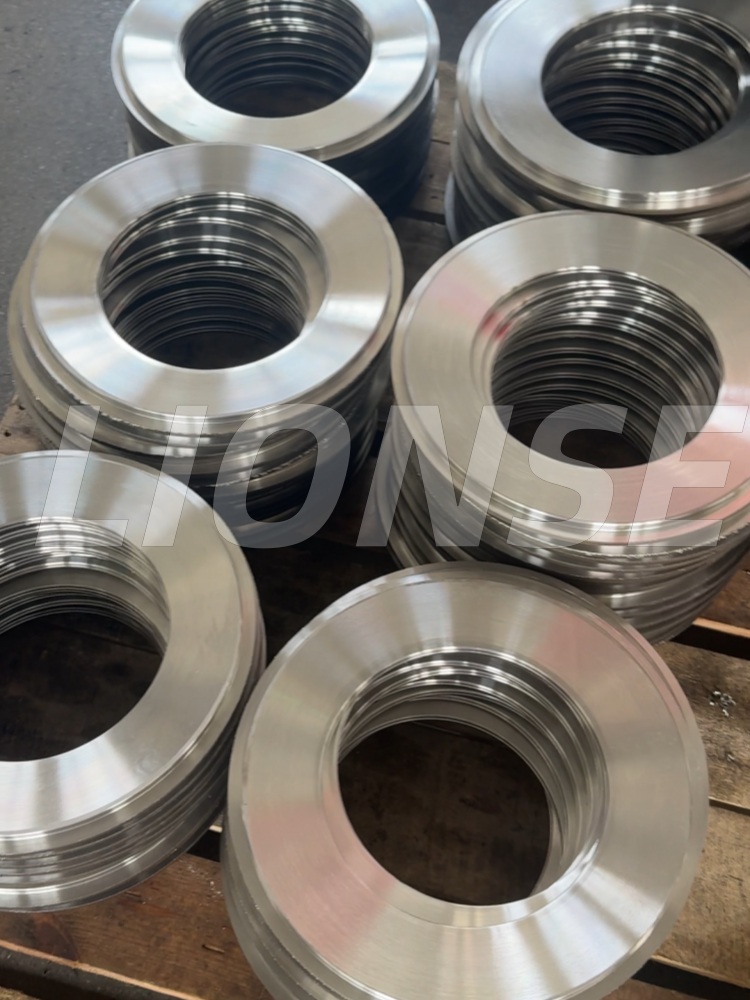
High toughness of stainless steel causes built up edge on tool tips, leading to poor surface quality and dimensional errors. Tool material, coating and rigidity must be carefully selected for thin gasket machining.
Low thermal conductivity concentrates cutting heat. Thermal deformation changes flatness and dimension. Too high coolant pressure distorts thin gaskets; insufficient cooling accelerates tool failure.
Thin gasket is sensitive to cutting force. Precision thickness tolerance (e.g. ±0.02 mm) is hard to stabilize. Incomplete deburring scratches flange faces; over deburring damages edges.
Sealing surface requires Ra ≤0.8 μm. Stainless steel’s toughness makes smooth finish difficult. Critical applications need extra polishing /grinding, raising cost and process complexity.