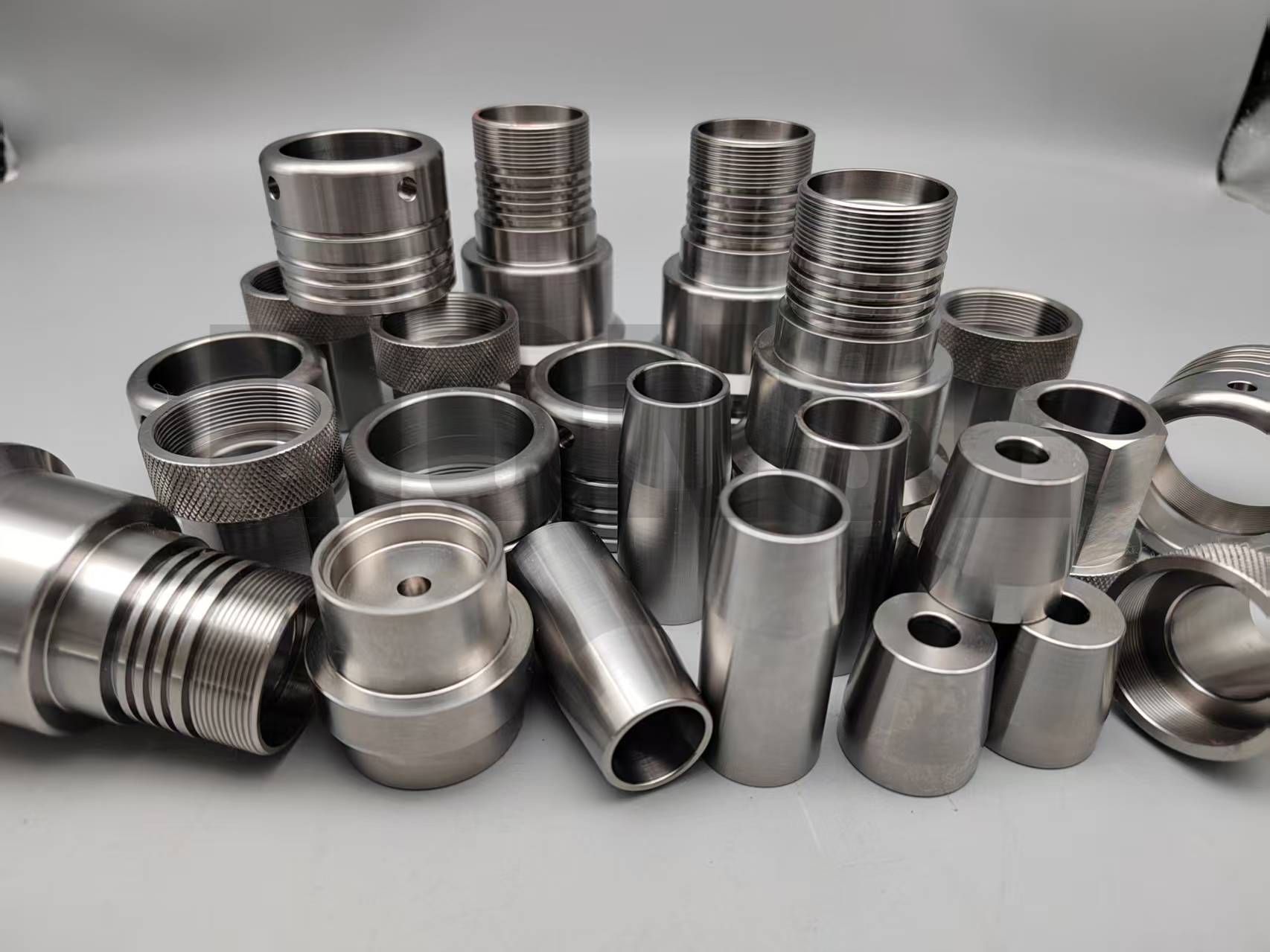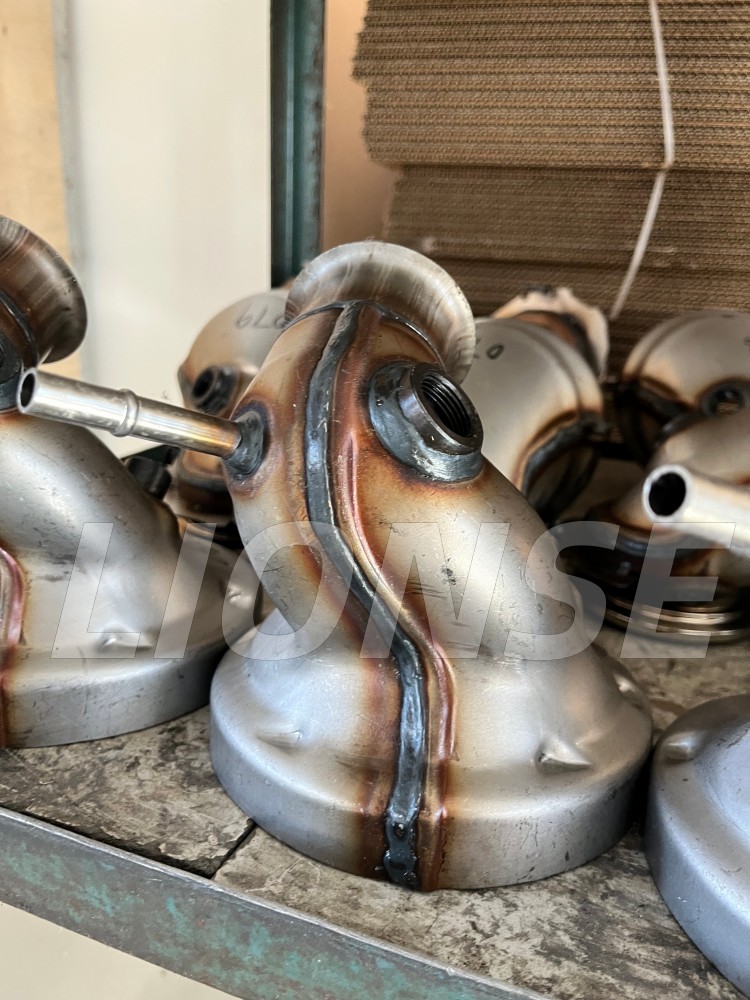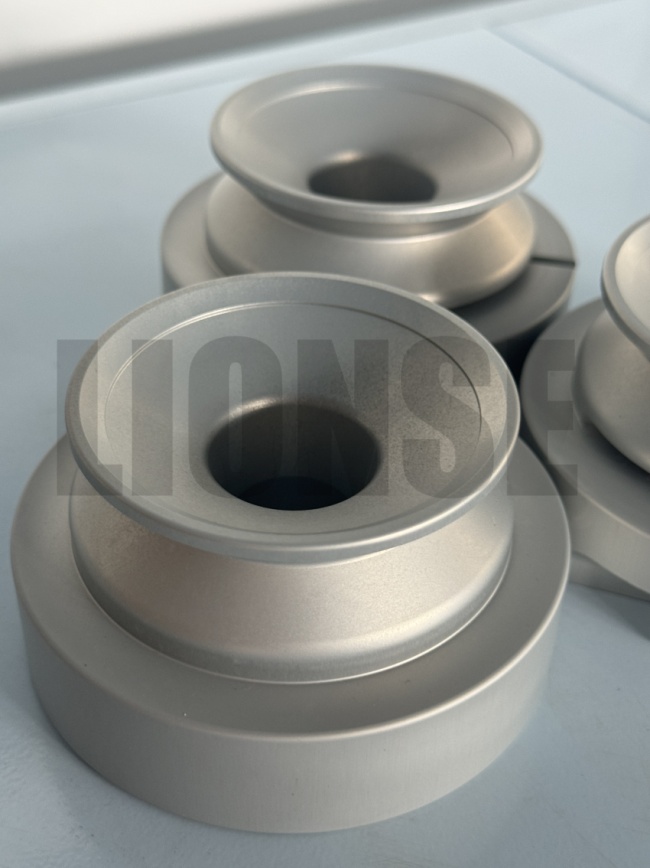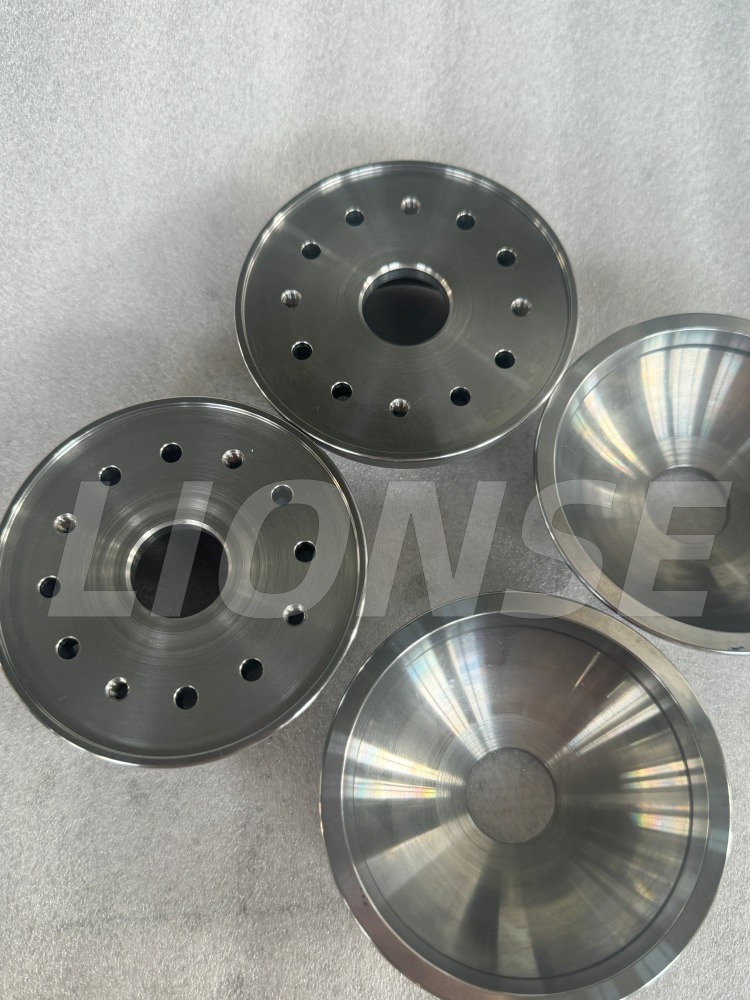

To ensure that stainless steel threaded parts maintain high precision throughout the entire processing, we can do these things in stages:
1. Preparations before processing
The appropriate stainless steel model should be selected based on the actual usage situation. Moreover, it is necessary to carefully inspect the surface of the material for any defects, the accuracy of the dimensions, and the hardness to ensure that each batch of materials is the same.
Select tools that are suitable for the characteristics and thread specifications of stainless steel, such as high-speed steel taps or carbide taps. Before using it, sharpen the tool, check if the cutting Angle is correct and if there are any notches on the blade edge to ensure the tool works well.
Make sure to thoroughly debug the machine tool to ensure it runs smoothly and add sufficient lubricating oil. It is also necessary to calibrate the positioning of the machine tool with high-precision instruments to ensure that the machine moves accurately.
2. Keep a close eye on it during the processing
(1)Cutting speed: Neither too fast nor too slow - if it's too fast, the tool will wear out quickly; if it's too slow, the cutting force will be too great. A balance point needs to be found.
(2)Feed rate: Only when it is adjusted appropriately can the shape of the thread be accurate and the surface smooth. Feeding too forcefully can easily cause the parts to deform, while feeding too lightly will cause a jolt.
(3)Cutting depth: Under the premise of ensuring efficiency and tool life, try to cut as shallowly as possible so that the parts are less likely to experience stress concentration.
(4)Cooling and lubrication
Spray coolant under high pressure or in a mist form, and combine it with an appropriate lubricant to ensure that the cutting area is covered. This can lower the temperature and reduce wear.
(1)Turning: Suitable for parts with large batch sizes and high requirements, it uses numerical control programming to achieve high accuracy.
(2)Tapping: When making internal threads, a suitable bottom hole must be drilled first, and then the appropriate tapping method should be selected.
(3)Rolling: This method is highly efficient, but the material must be accurate and the thread rolling wheels aligned.
(4)Anti-vibration deformation
When clamping parts, do it steadily. For instance, for a slender shaft, one end should be firmly clamped while the other end should be supported by a tailstock.
Use a tool with good rigidity. Don't let the tool stick out for too long and sway.
The processing sequence should be meticulous. Start with areas with lower precision requirements and then move on to those with higher ones. This can reduce residual stress within the parts.
3. Check the quality after processing is completed
(1)Inspection accuracy
The thread parameters of key parts (such as pitch, thread profile, and pitch diameter) should be measured with micrometers, plug gauges/ring gauges, or a three-coordinate measuring machine (CMM) to ensure they all meet the standards.
(2)Surface treatment:
Remove the burrs on the parts and chamfer the edges. This way, the surface will look good and it will be easier to install. Anti-rust treatment should also be carried out as required, such as applying anti-rust oil or electroplating.
As long as this process is followed - from material selection, tool adjustment, to parameter control during processing and quality inspection after processing - the manufacturer can always produce stainless steel threaded parts with high precision, and also reduce the occurrence of defective products and rework.