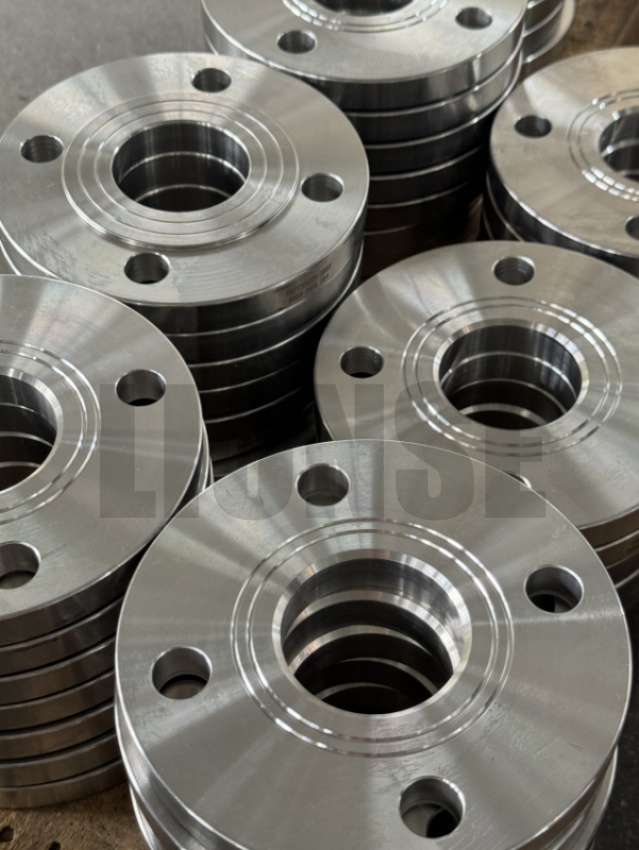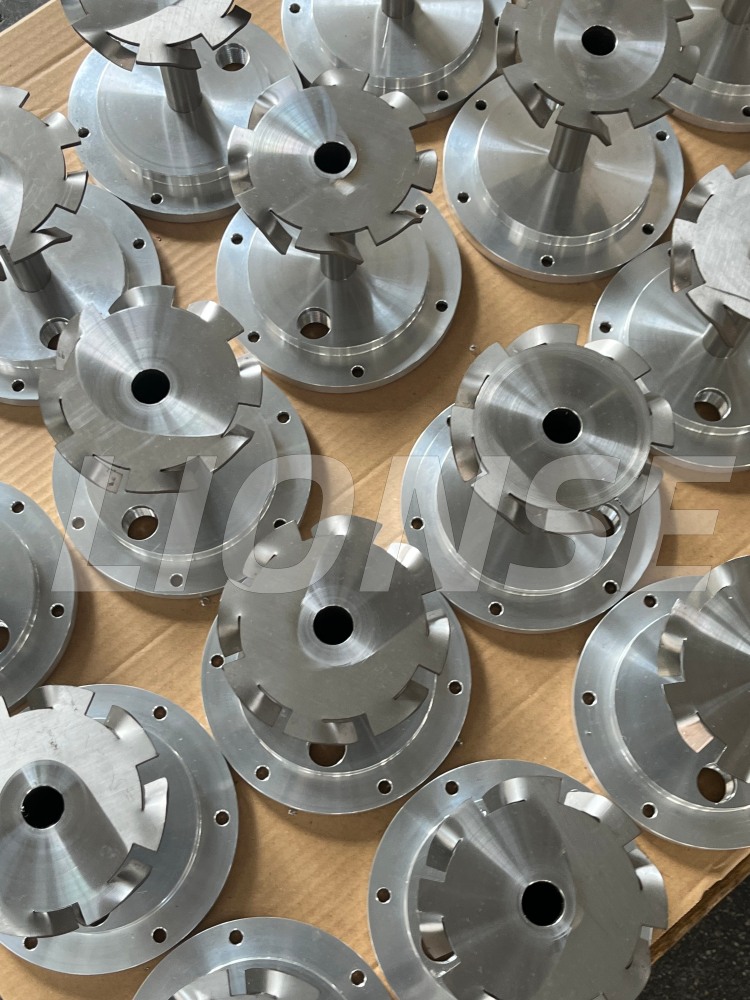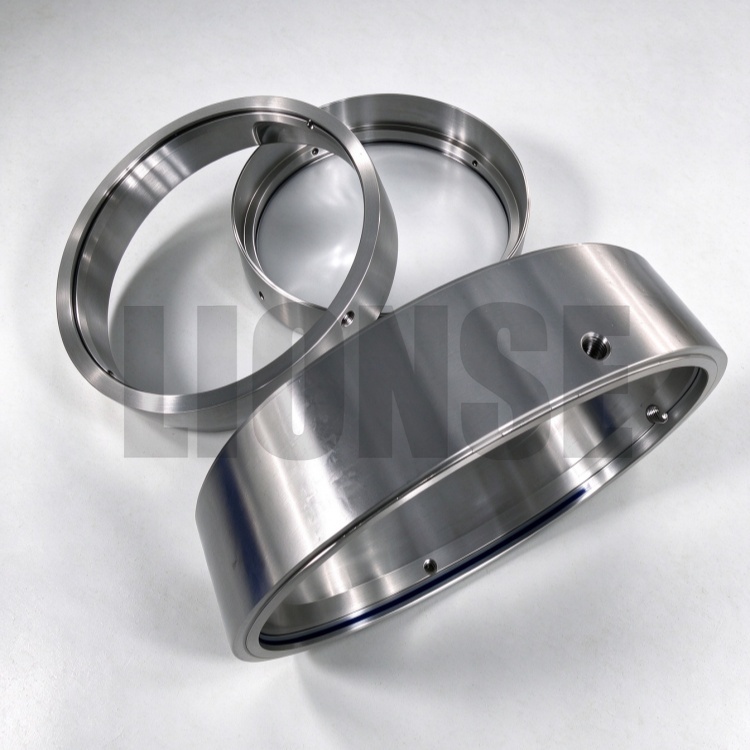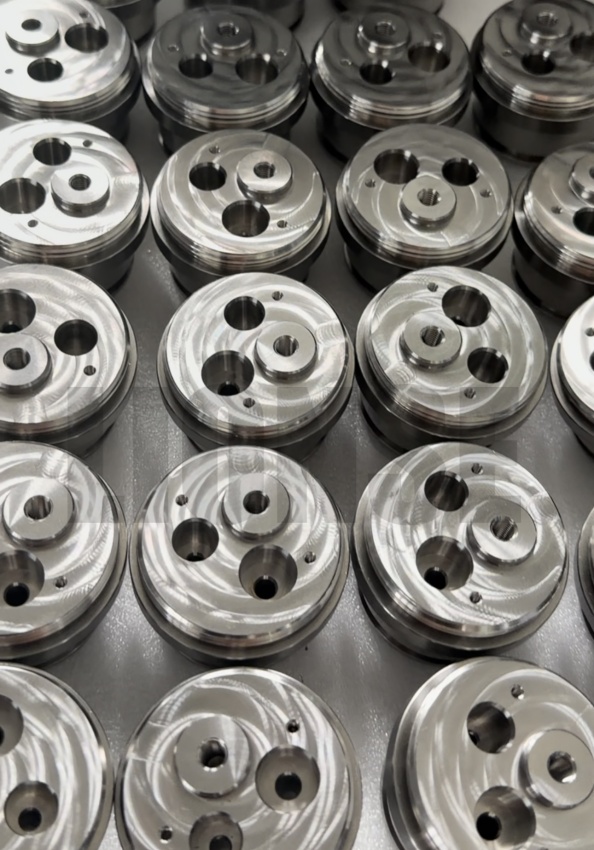

The knurling process adds texture patterns to the metal surface, such as twill, straight lines or diamond-shaped patterns. This texture can enhance the grip strength of components such as fasteners and tool handles, and improve their appearance. The knurling process usually employs hardened knurling wheels installed on lathes. The knurling process creates raised patterns on the metal surface, but the structure of the component remains largely unchanged.
Knurling process
Manufacturers can choose from two main methods to create knurled surfaces. Each method is applicable to different materials and uses. By understanding how these methods work, you can choose the best solution based on your own needs.
Cutting and knurling
When cutting knurling, a sharp toothed tool is needed to directly cut the pattern into the material. This method removes metal, so it is suitable for harder materials or those that require very clear patterns.
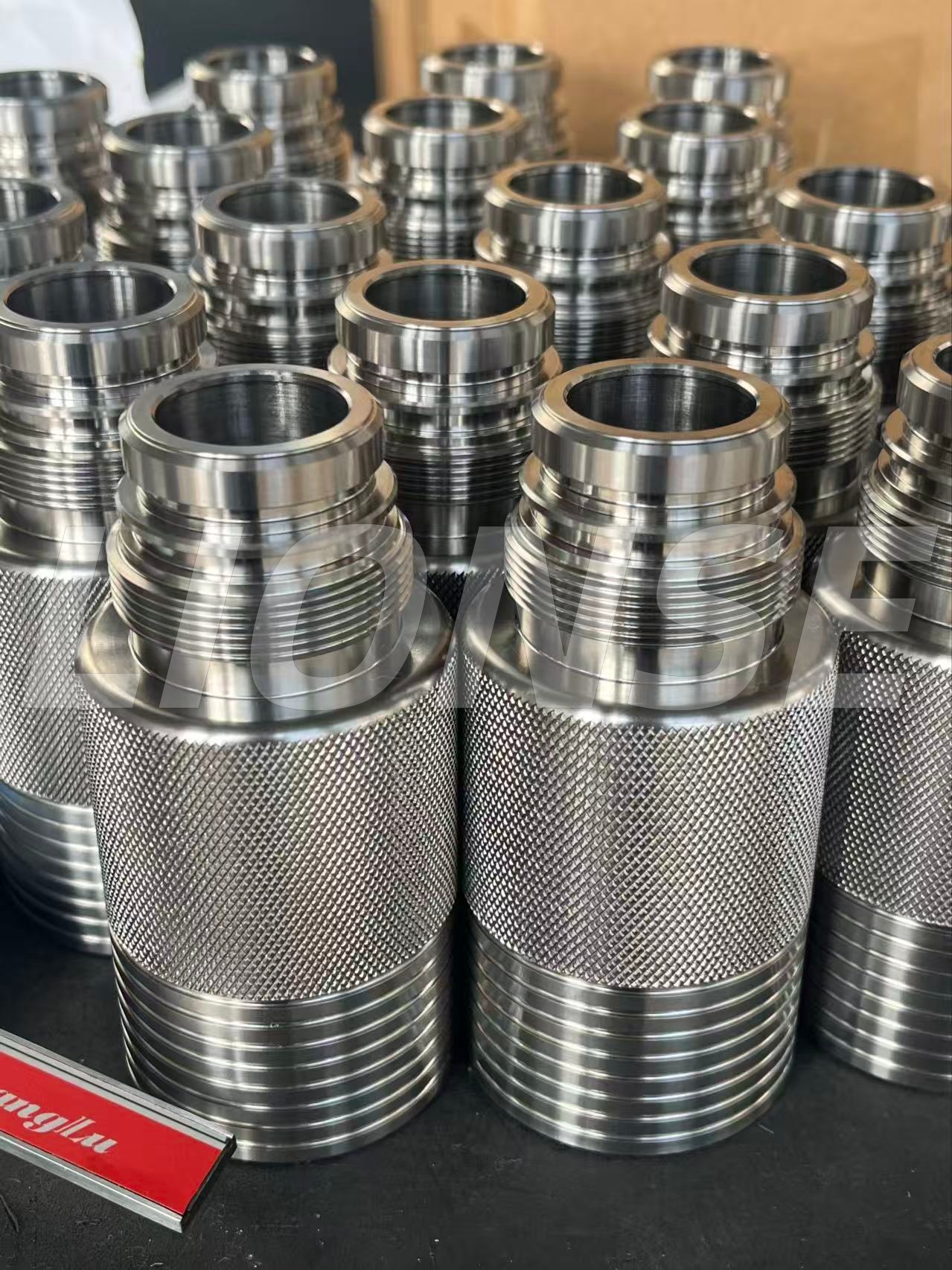
The cutting and knurling process has a minimal dependence on the diameter of the blank and can better control the pattern spacing. It is mainly used for fine or delicate knurling on hard metals.
Rolling (forming) knurling
The embossing and knurling process uses hardened rollers to imprint patterns onto a rotating workpiece. The roller pushes the metal aside to form a convex ridge, so no material is worn out. This method is fast, efficient and causes very little waste. It is usually used for processing cylindrical parts, such as handles or knobs. It is very important to use the correct blank diameter because it can prevent pattern errors or the occurrence of double-track phenomena.